
Trial Frame of Löw 1920 | Antique Eye Testing
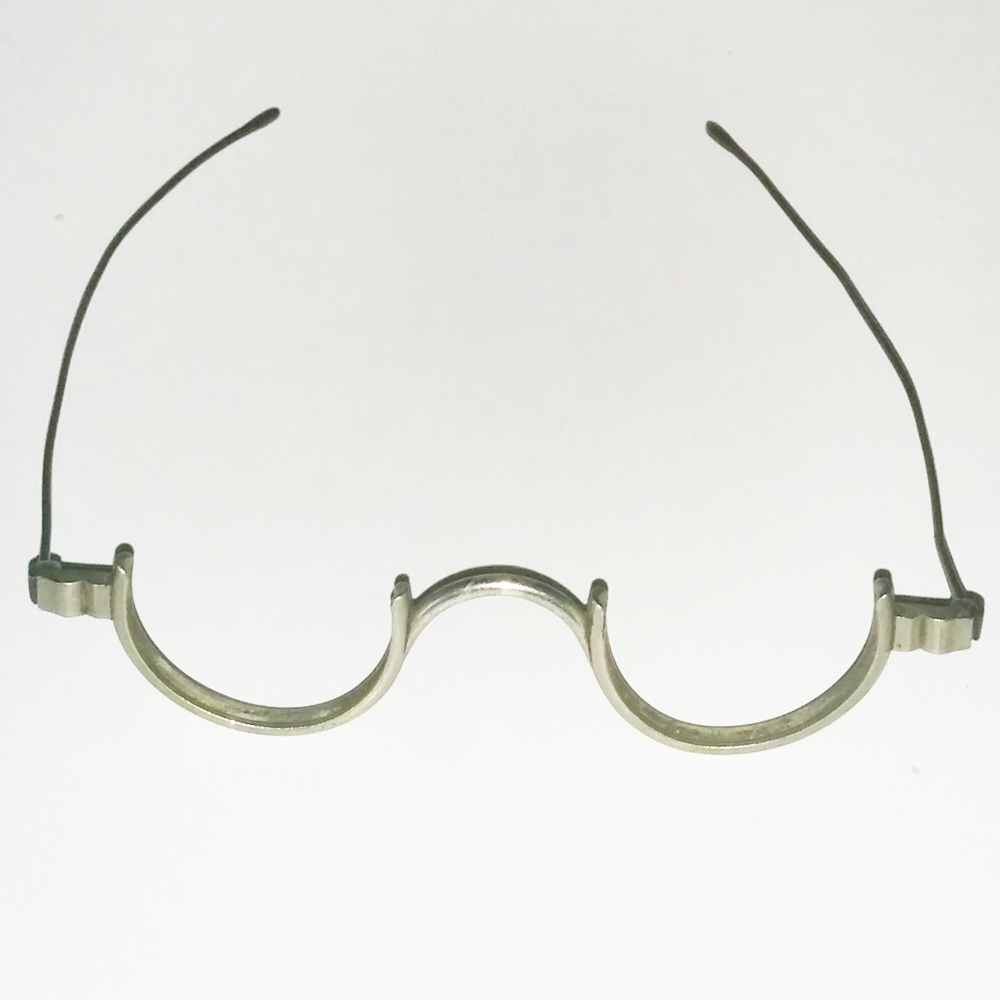
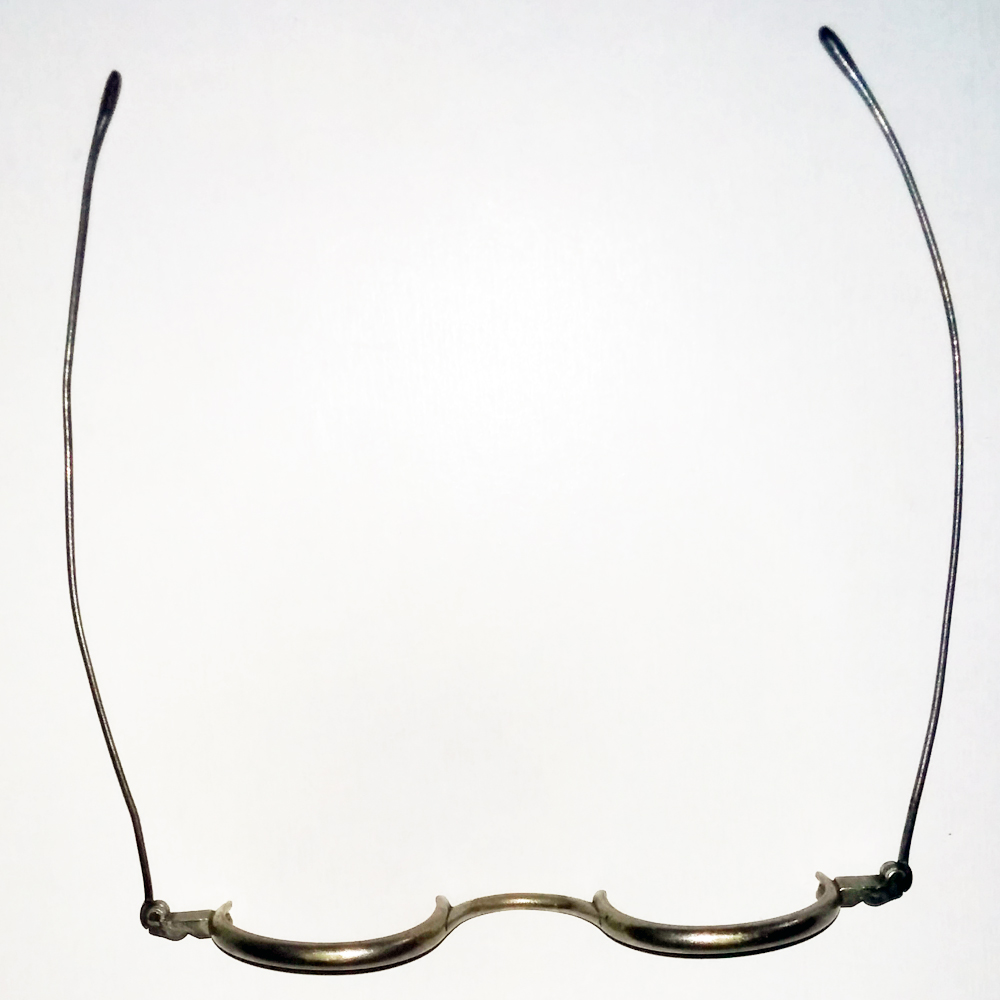
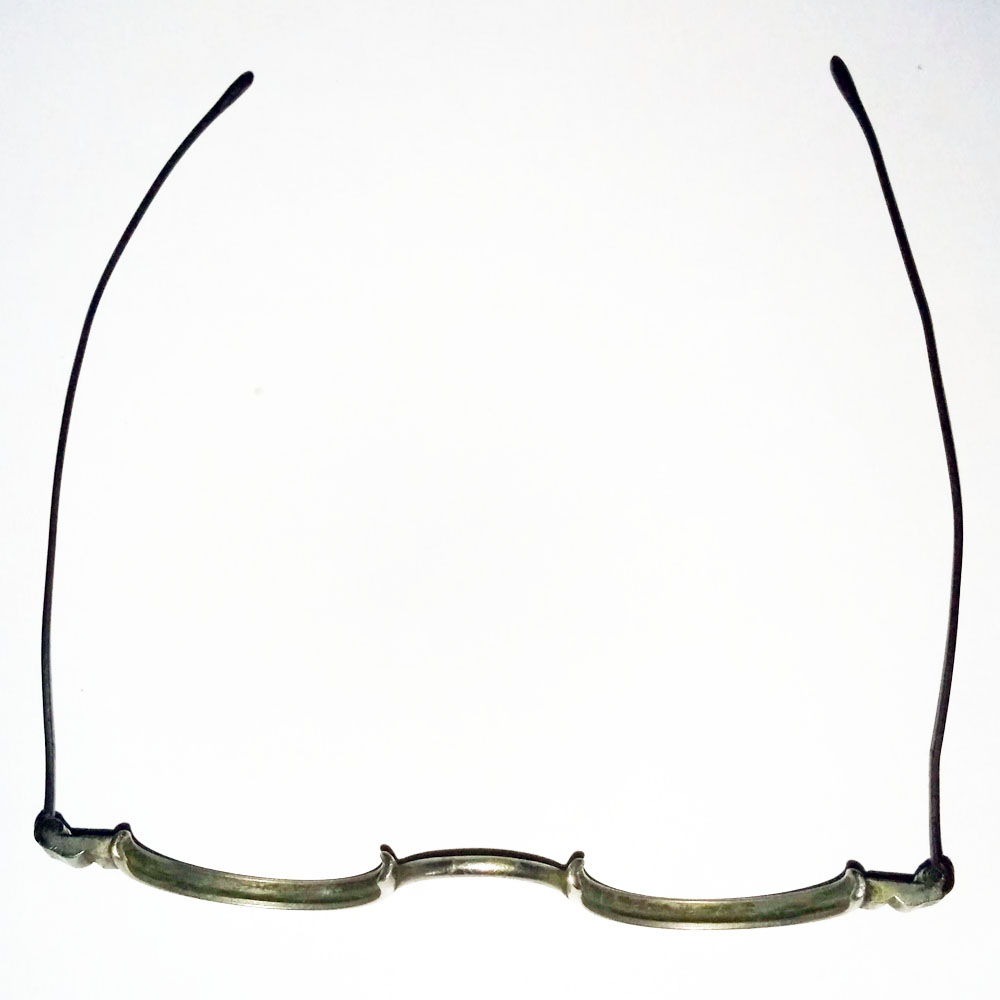
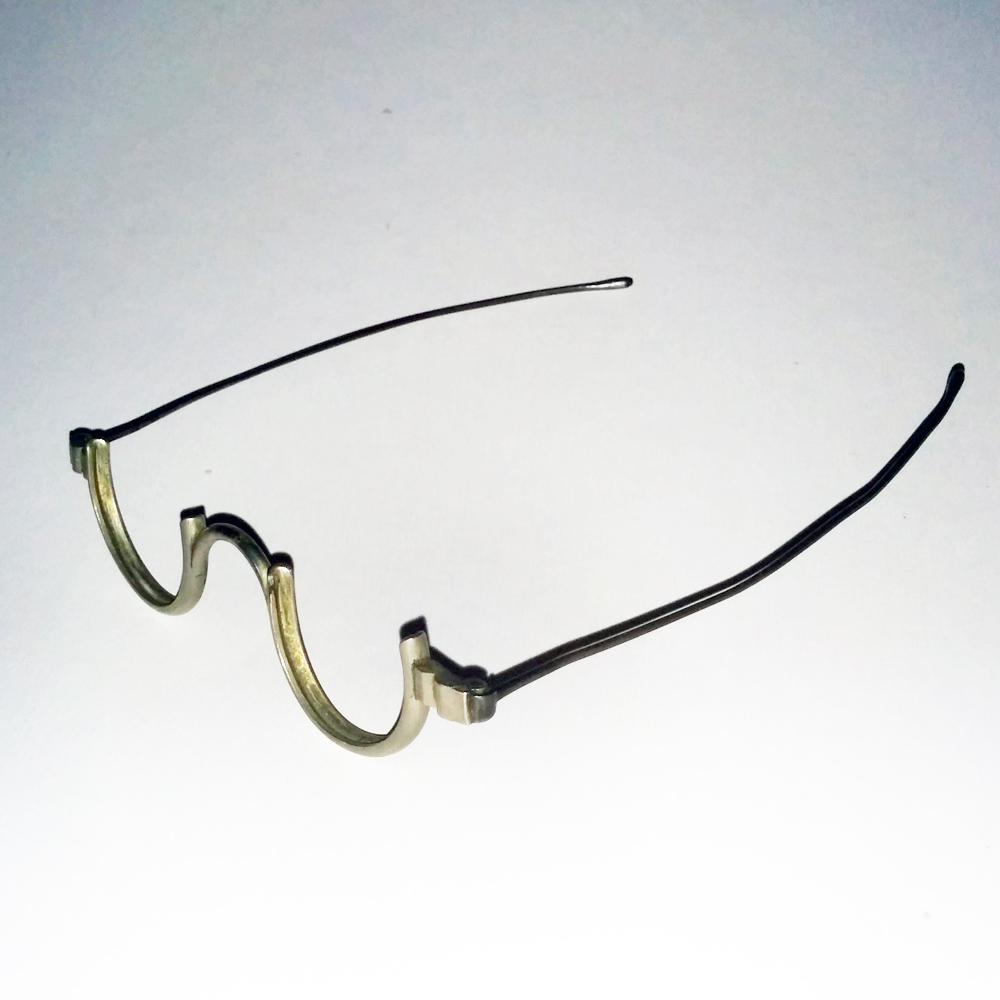
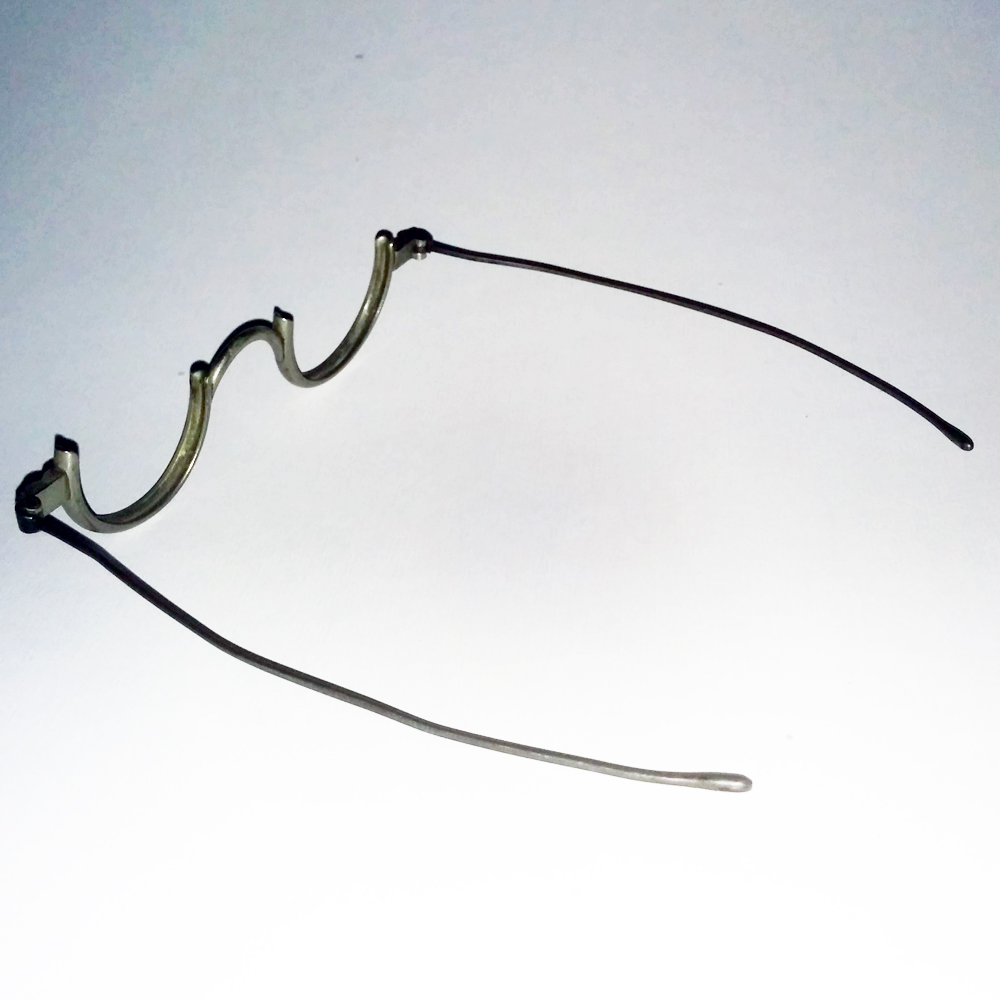

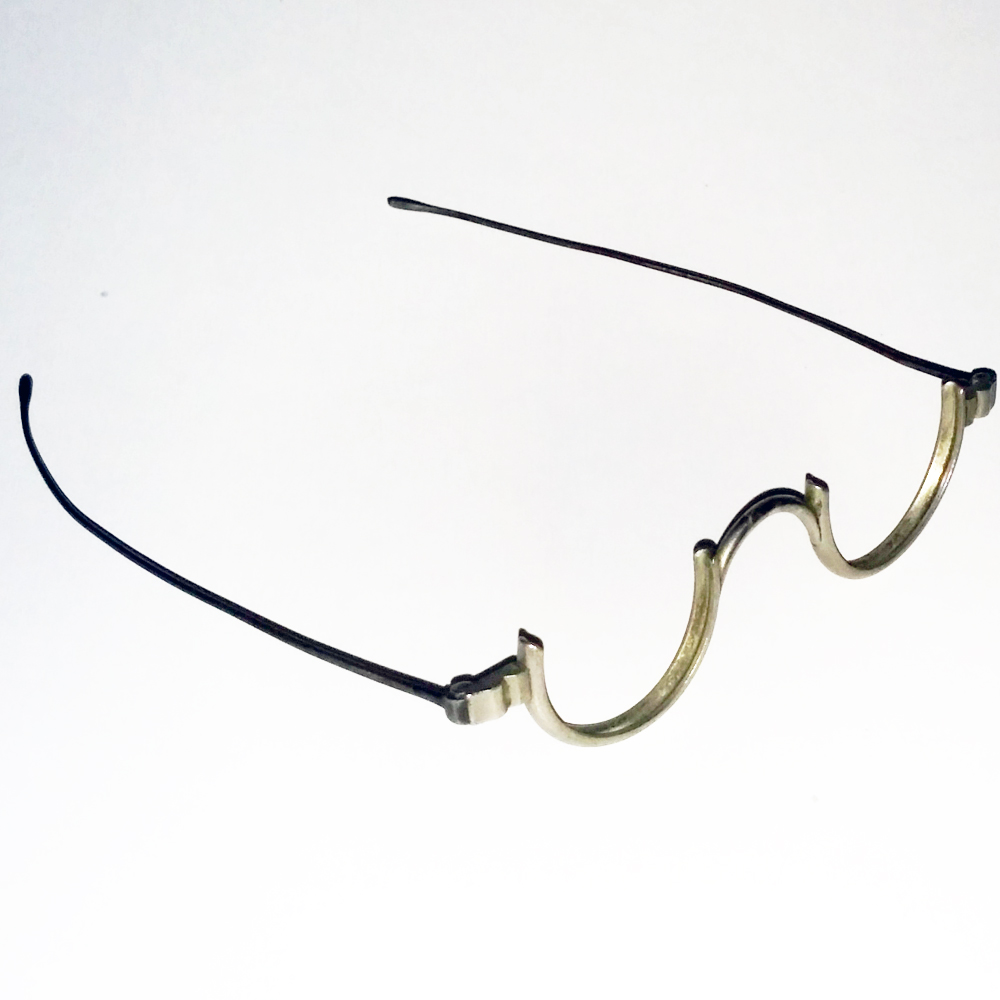
The Trial Frame of Löw 1920 shows an early stage in eye-testing equipment. The first trial lens frames appeared in the late 1800s. They had a lower half that held a single loose lens. A spring-like clip above held that lens in place. Over time this design evolved. Later frames could hold two lenses on the same side. Their cylindric lens could rotate too, adding more flexibility for testing.
Steel Frame Construction
This trial frame follows that earlier style. It has a steel frame with a single groove inside. That groove holds a spherical lens securely. The nose bridge uses a classic “C” shape. This shape was common on eyeglasses throughout the 1700s. Its presence here shows how older design elements carried forward into twentieth-century optical tools.
A Piece of Testing History
The Löw Trial Frame offers a clear window into early eye-testing methods. It predates the more complex trial frames that came later. Those later frames held multiple lenses at once. Collectors interested in the evolution of refraction testing will find this piece useful for tracing that progression. Its simple, functional steel build reflects the practical needs of opticians in 1920.
Short Description
This 1920 Löw Trial Frame has a steel build with a single groove for a spherical lens. Its classic “C” shaped nose bridge echoes 18th-century eyeglass design, marking an early stage in refraction testing tools.