
Chinese Spectacles with String Temples | Antique




Distinctive String Temples on Chinese Spectacles
These antique Chinese spectacles of unknown date represent a fascinating chapter in the global history of eyewear. Unlike the rigid temple designs common in European spectacle making, this pair features string or cord temples. Long, flexible loops draped over the ears or tied behind the head, a design well suited to being worn with traditional Chinese hats and hairstyles. Chinese spectacles with string temples like these adapted a European innovation to fit local dress and daily life.
Lenticular Lenses Built for Genuine Correction
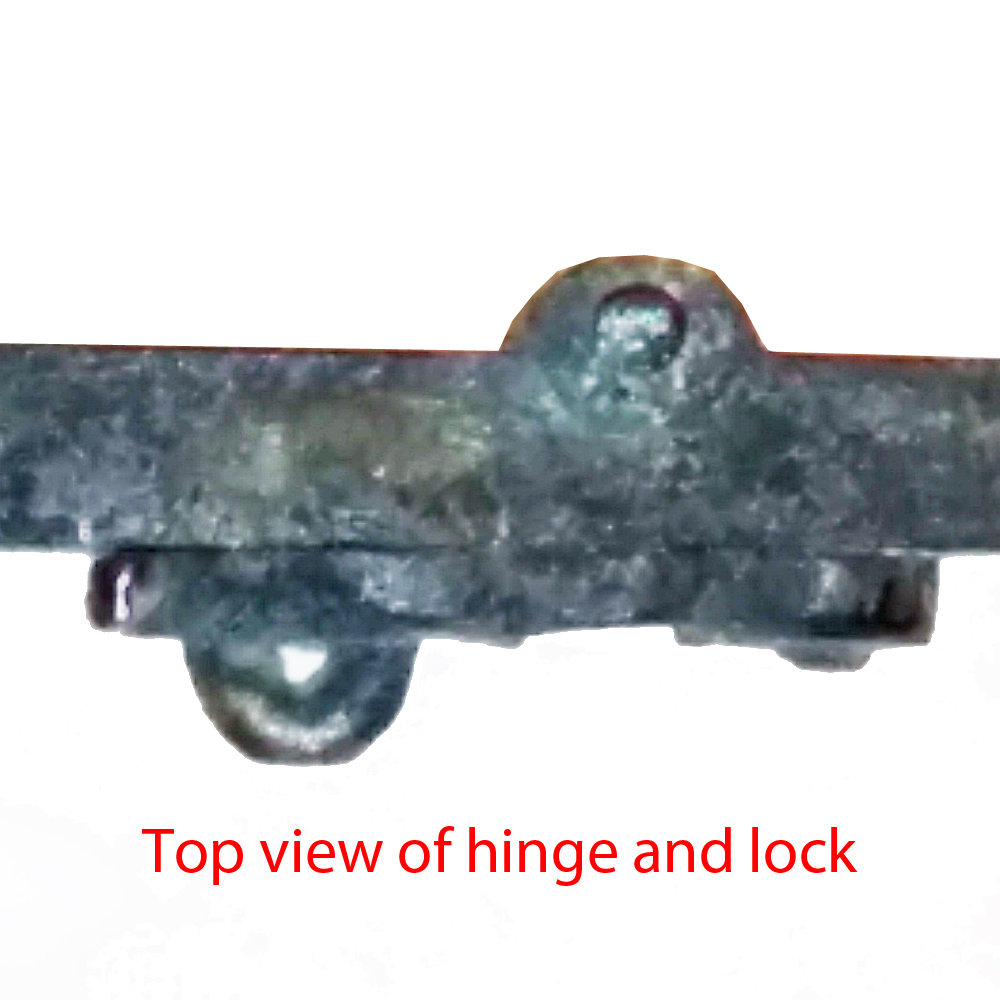
The lenses follow a plano-concave, lenticular design, ground from heavy glass and finished carefully at their edges. Each lens carries approximately -2.00 diopters of power. That figure indicates these were genuine corrective spectacles made for a myopic wearer, rather than the purely decorative, non-prescription examples also common in Chinese eyewear history. A lenticular lens concentrates its power in a small central area, keeping the overall lens thinner and lighter than a simple curved lens of the same strength. A folding latch mechanism lets the two sides collapse flat for storage, showing a sophisticated level of craftsmanship in the frame itself.
Advanced Craftsmanship Behind a Simple Design
The lenticular lens design was thicker at the edges and thinner at the center. This was the standard method for producing concave corrective lenses before modern lens grinding technology made thinner high-index lenses possible. Chinese spectacles of this age with functional corrective lenses, a working folding mechanism, and well-preserved glass have grown increasingly rare. This makes the piece particularly significant for collectors of antique eyewear and Asian cultural artifacts. It pairs naturally with our horn-framed Chinese spectacles for anyone building out a collection across materials and periods.