
Rare Ophthalmophantome | Antique Surgical Eye Mask
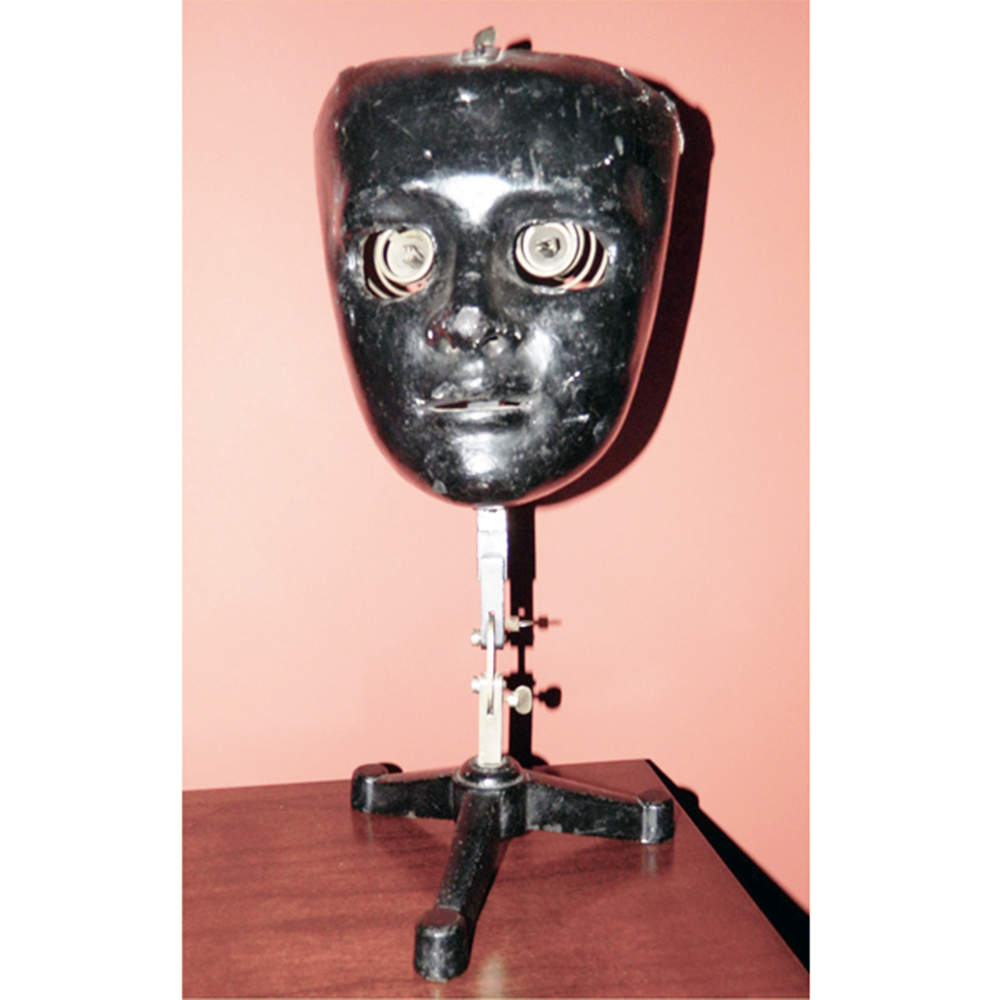
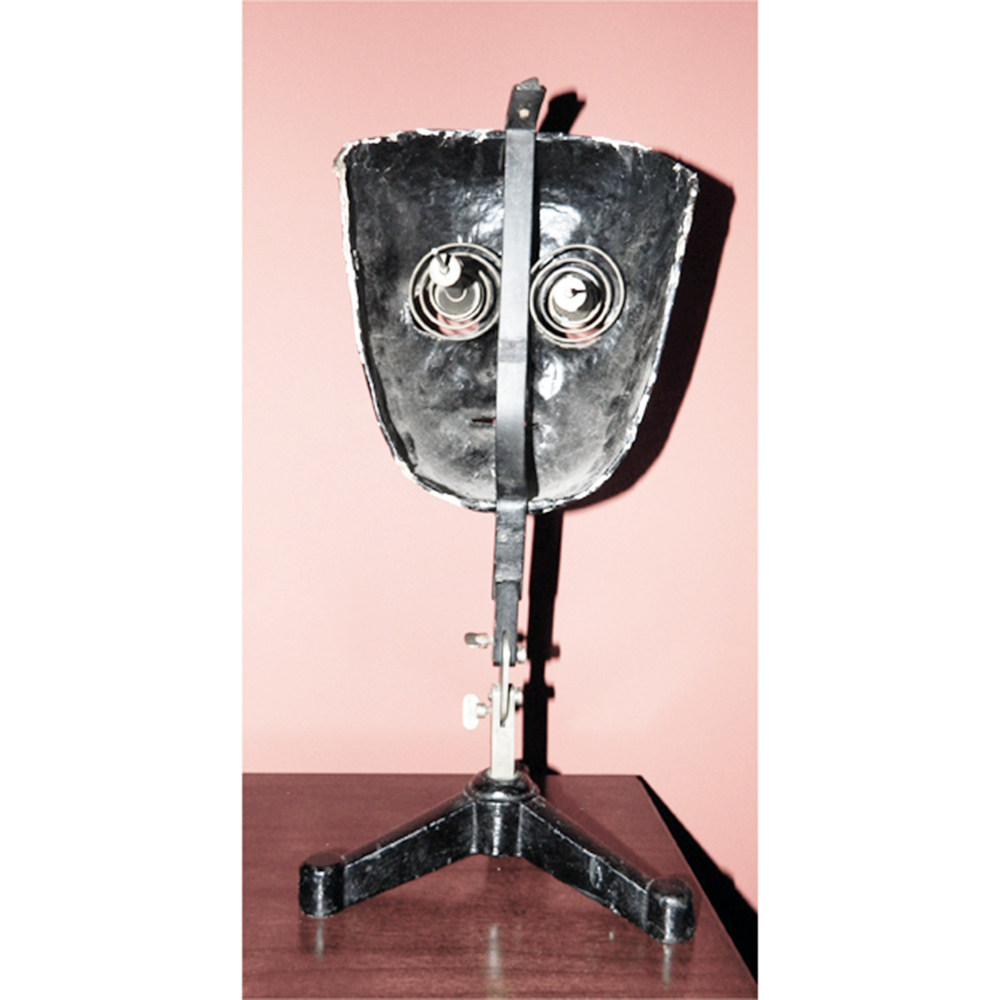
Rare Ophthalmophantome — Antique Surgical Training Model c.1900
This rare ophthalmophantome is one of the most extraordinary objects in the history of ophthalmic surgery. Crafted around 1900 and bearing Germany as its country of origin, this remarkable training device allowed aspiring eye surgeons to practice their skills before operating on a living patient. Because ophthalmophantomes are not often available, they command a high price at sale or auction. This example was previously in the possession of Cinci-Antiques LLC, an antique dealer who generously shared photographs with eyeantiques.com.
What Is an Ophthalmophantome?
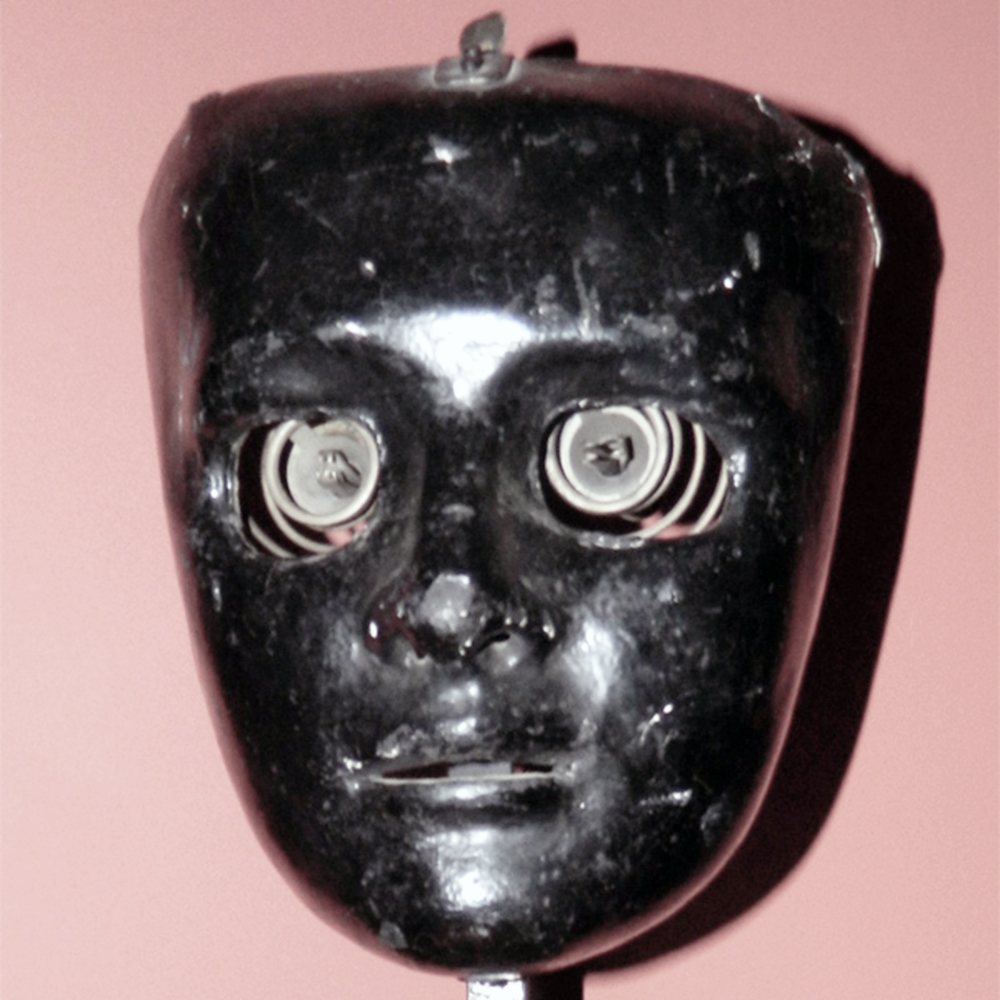
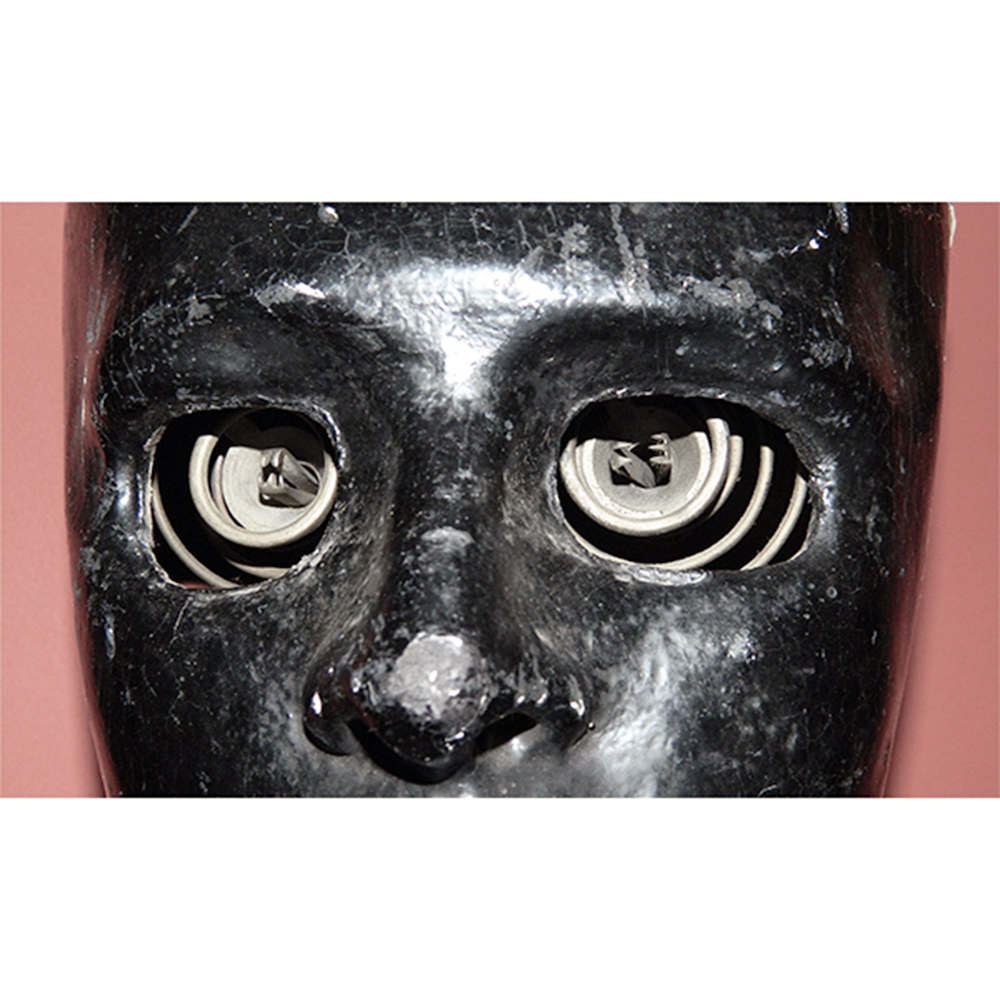
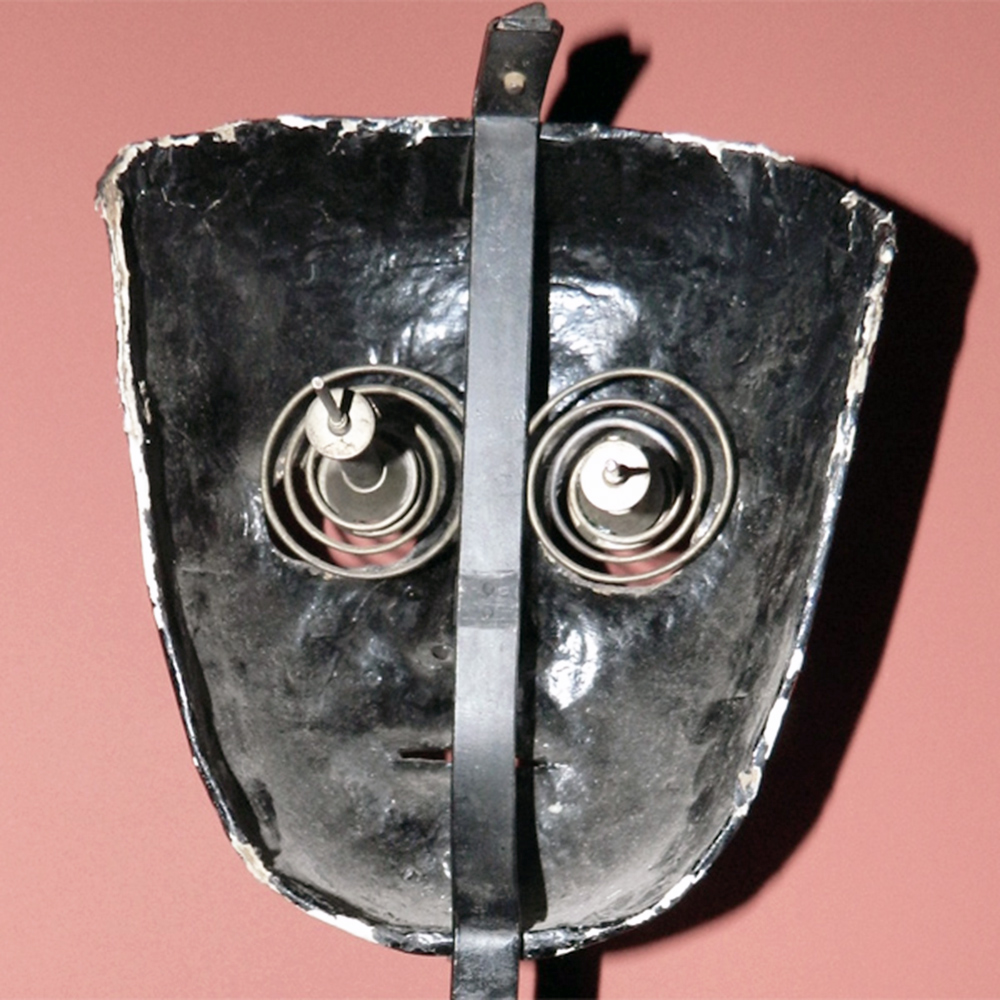
An ophthalmophantome is a surgical training mask designed to simulate the human face and eye for operative practice. The word derives from the Greek phantoma — an apparition or likeness. These devices presented the surgeon with a realistic facsimile of the orbital region. A slaughtered animal’s eye or eyes could be clasped into the mask’s eye sockets. The eye surgeon then practiced procedures such as cataract extraction directly on the animal eye, within a realistic anatomical context. No textbook exercise or cadaver preparation could replicate this type of hands-on surgical rehearsal.
German Surgical Instrument Making at Its Peak
Germany dominated the production of precision surgical training equipment around 1900. German instrument makers and medical supply houses served hospitals, universities, and surgical schools across Europe and North America. The ophthalmophantome emerged from this tradition of exacting craftsmanship. The cast metal face mask on this example is detailed and anatomically considered. The adjustable stand positions the mask at a working height suitable for surgical practice.
An Object of Haunting Beauty
Few antique medical instruments carry the visual power of the ophthalmophantome. The hollow metal face, with its open eye sockets, occupies an uncanny space between medical utility and artistic object. It arrests attention immediately. For collectors of rare ophthalmic objects, it represents a category of instrument that almost never appears on the market. Browse the full antique ophthalmic objects collection to explore other singular pieces of this caliber. The Museum of Vision provides further historical context on the development of ophthalmic surgical training.
Rarity and Provenance
Surviving ophthalmophantomes in this condition are exceptionally scarce. This example comes with documented photographic provenance from Cinci-Antiques LLC. Its German origin and c.1900 date place it at the height of European ophthalmic surgical education.