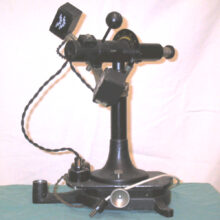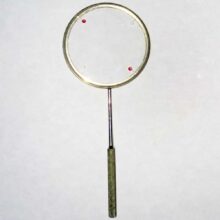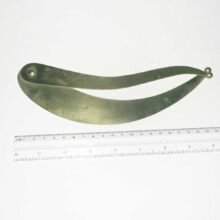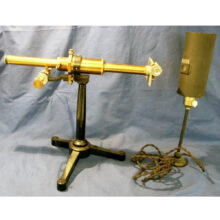


The Bailliart Ophthalmo-Dynamometer is one of the most clinically significant diagnostic instruments in the history of ophthalmology, used to measure the pressure within the central retinal artery — a measurement with profound implications for the diagnosis of cardiovascular and neurological disease. Developed by French ophthalmologist Paul Bailliart in the early twentieth century, this instrument allowed physicians for the first time to non-invasively estimate arterial blood pressure specifically within the eye, opening a window into the systemic circulation that no other instrument could provide.
To use the dynamometer, the examiner applies gentle pressure to the exterior of the eye through the eyelid while simultaneously observing the retinal vessels through an ophthalmoscope. By noting the pressure at which the central retinal artery begins to pulsate and the pressure at which pulsation ceases, the examiner can calculate both the diastolic and systolic pressure within that vessel. Abnormally high or low readings could indicate conditions ranging from carotid artery disease and hypertension to ocular hypotension and vascular occlusion — making this a genuinely lifesaving diagnostic tool in the hands of a skilled ophthalmologist.
This example, marked “Matalene” and presented in its original fitted case with blue velvet lining and accompanying original documentation and instructions, is in exceptional condition. The inclusion of the original paperwork makes this a particularly complete and historically significant example. Finding a Bailliart dynamometer with its case and original documentation intact is increasingly rare, making this a centerpiece piece for any collection of ophthalmic diagnostic instruments.