
Haag-Streit 700 Goldmann Slit Lamp 1933 | The Slit Lamp That Conquered the World
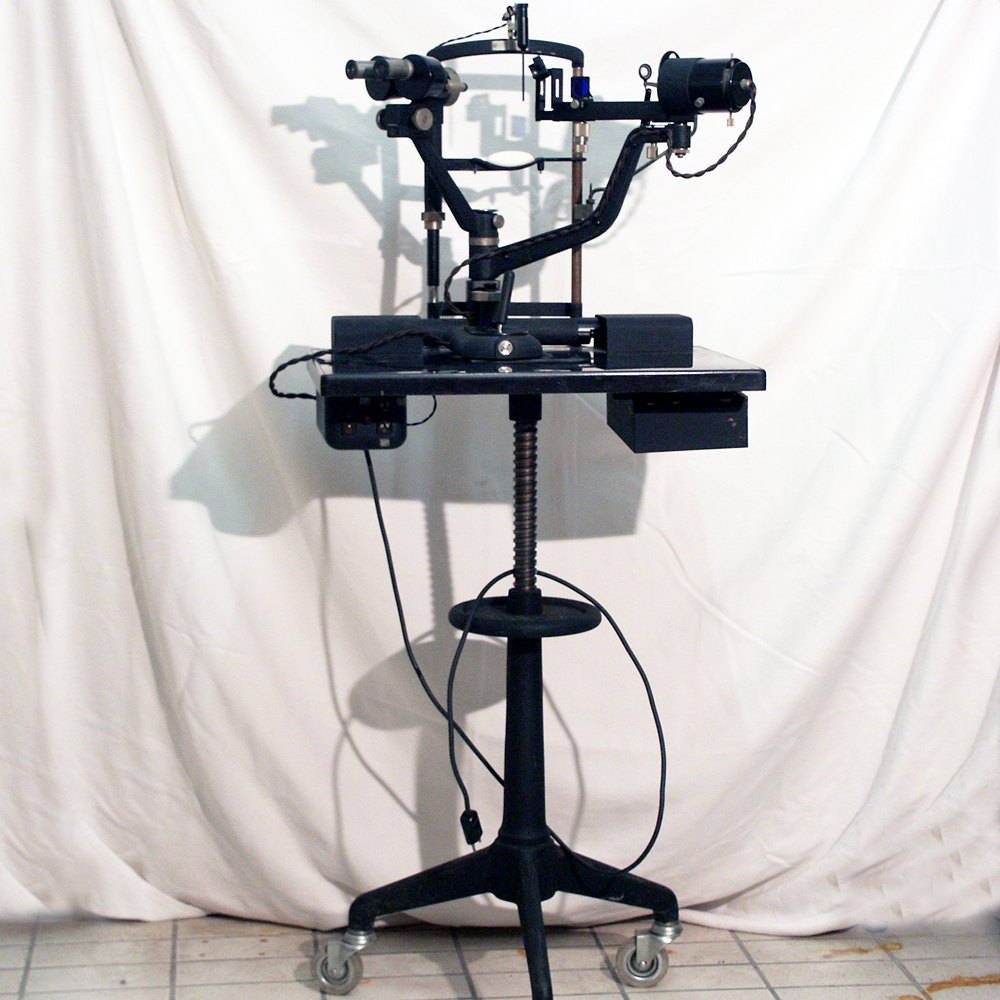
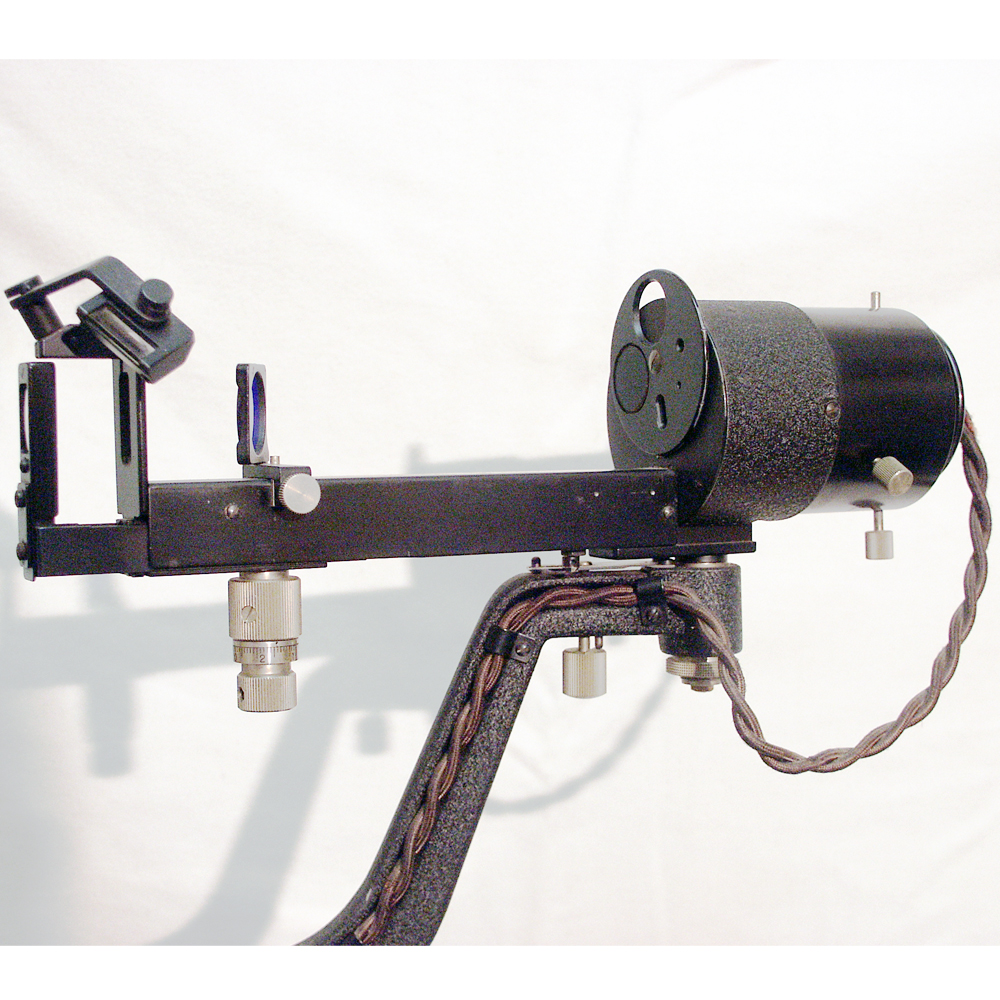
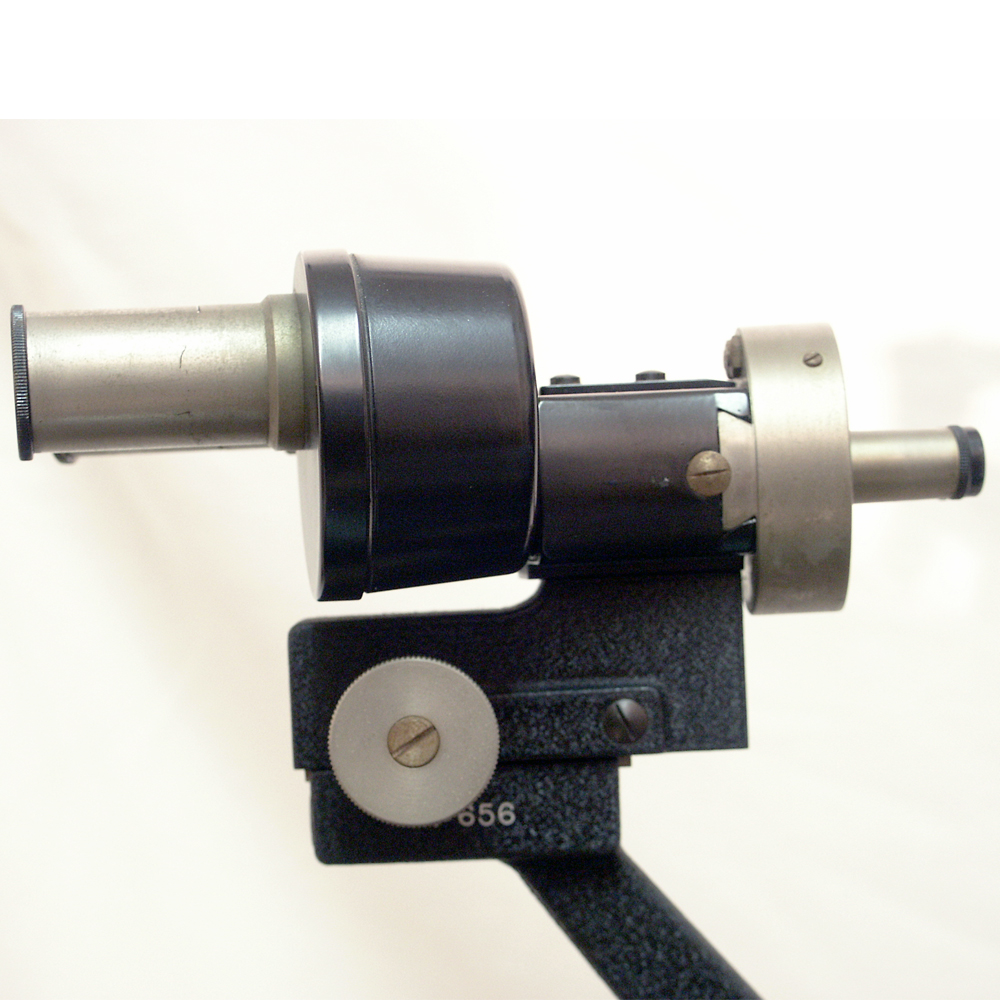
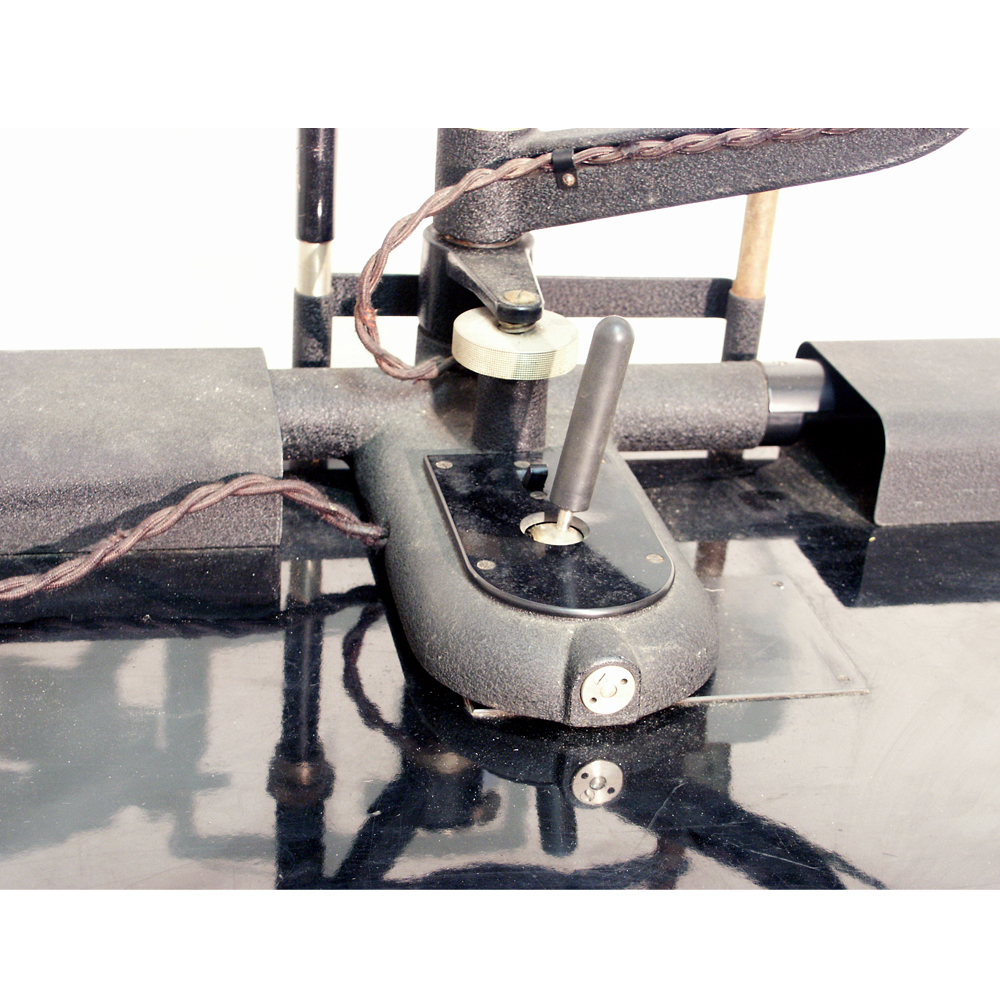
A magnificent and historically iconic antique Haag-Streit 700 Goldmann slit lamp, dating to 1933 — one of the most celebrated and influential instruments in the entire history of ophthalmic examination. Justifiably described as “the slit lamp that conquered the world,” the Goldmann 700 set the standard for anterior segment examination that would define clinical ophthalmology for generations.
Hans Goldmann (1899–1991) was a Swiss ophthalmologist of extraordinary vision and technical ingenuity. Working in collaboration with Haag-Streit of Bern — the same distinguished firm that traced its origins to the workshop of Pfister & Streit — Goldmann developed the Model 700 slit lamp in 1933 as a fundamental reimagining of the instrument. His design introduced an illumination system of unparalleled precision, with a fully adjustable slit of variable width, length, and angle, combined with a coaxial observation system that allowed the examiner to focus light and view simultaneously through the same optical axis. The result was an instrument capable of examining every transparent structure of the eye — cornea, lens, anterior chamber, vitreous, and retina — with a clarity and versatility that no previous instrument had achieved.
The Haag-Streit 700 on its original floor stand is a striking and imposing piece of ophthalmic history, as impressive visually as it is significant scientifically. Examples from 1933 are of the greatest rarity and represent the very first generation of what became the defining slit lamp of the 20th century.