
Holmgren Color Vision Testing Kit | Antique Wool Test
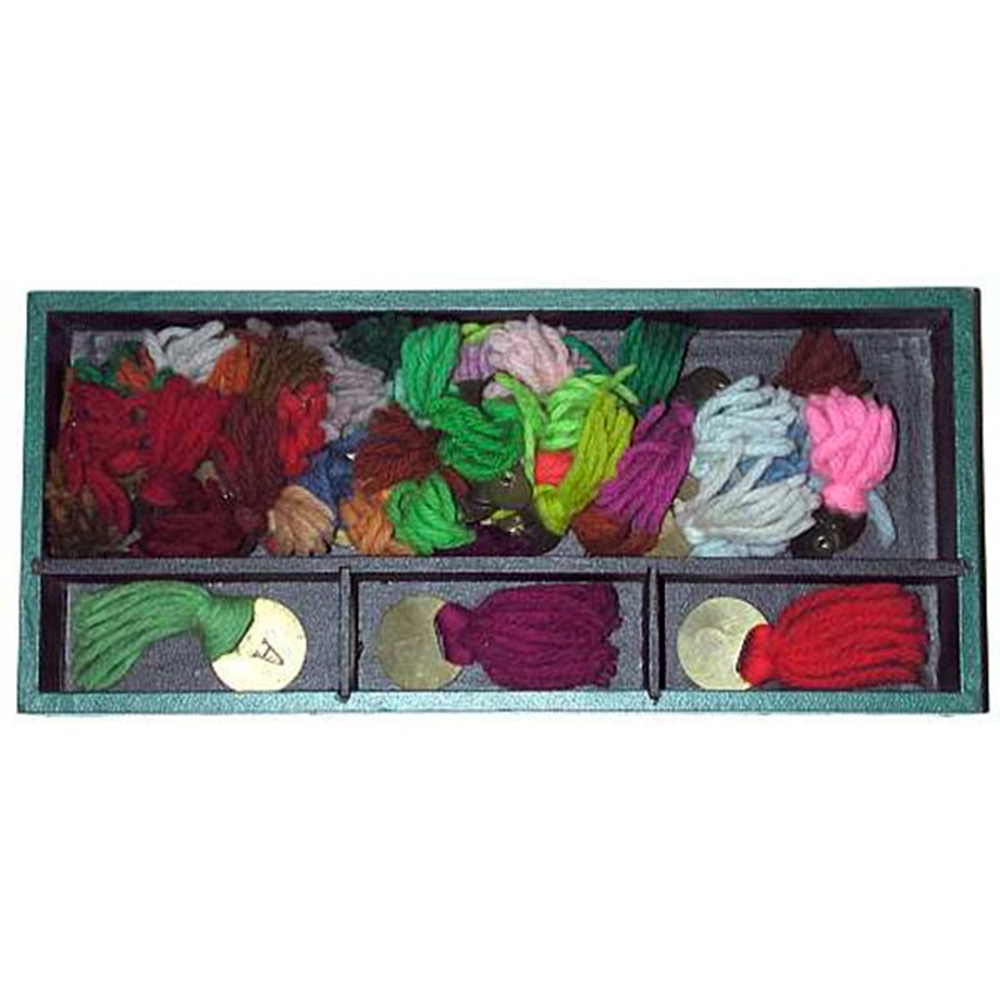
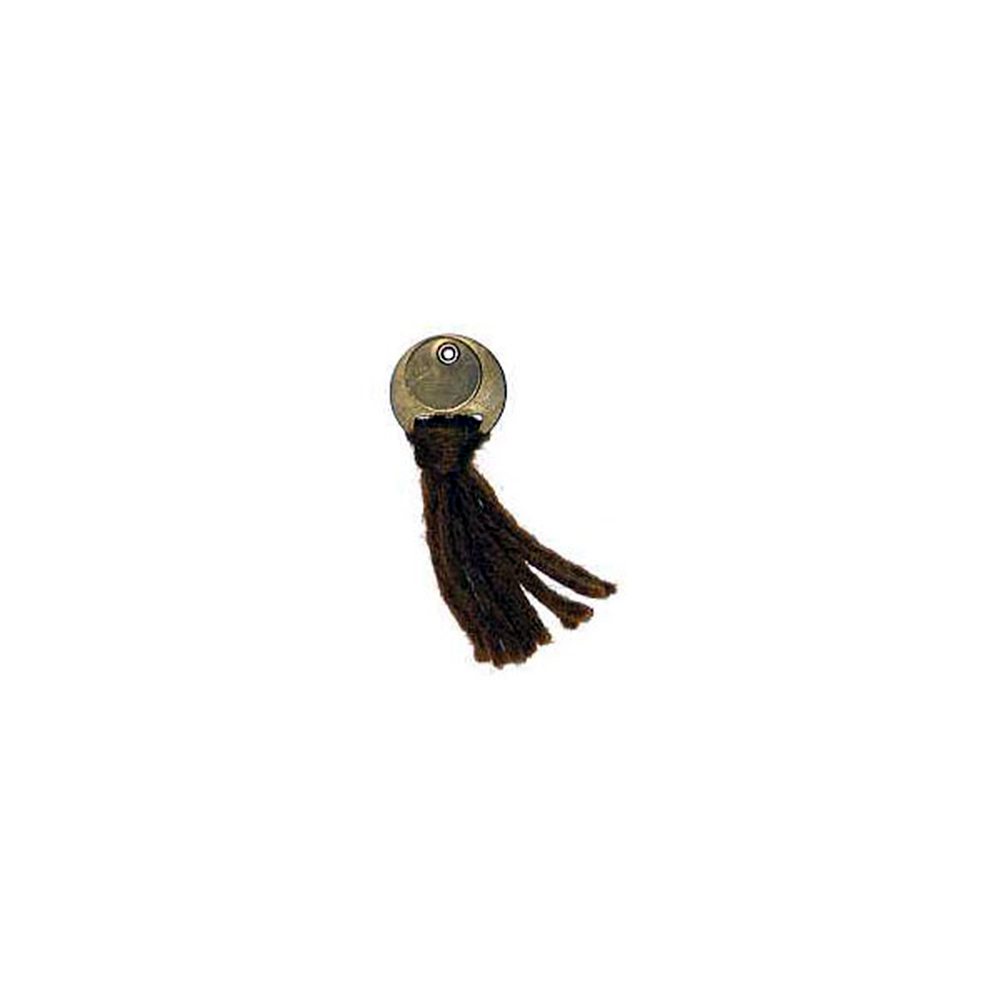
Holmgren Color Vision Testing Kit
The Holmgren color vision testing kit is a landmark instrument in the history of vision science. Swedish physician Frithiof Holmgren developed this wool-matching test to detect color blindness. His invention changed how railways and governments approached public safety screening.
The Story Behind the Test
Holmgren created his test after a catastrophic Swedish railway accident in 1875. He discovered that almost 5% of railway workers were colorblind. Sweden promptly passed laws requiring color vision testing for all rail workers. Most other countries were slow to follow. Color vision testing was begun. Here is a link about the history.
[Add internal link: related color vision tests] [Add outbound link: history of Holmgren’s wool test]
How the Test Works
The original test asked subjects to match colors among 150 wool skeins. Other physicians later developed simpler versions. Some used colored paper squares or flags to simulate railway signal conditions. Railways needed a quick test that required no physician to administer.
Thomson’s Simplified Version
When the Pennsylvania Railroad began system-wide testing in 1880, Dr. William Thomson stepped in. He simplified Holmgren’s test into 40 standardized numbered skeins attached to a ruler-like board. This became known as Thomson’s Stick. The examiner handed the subject a yarn sample and asked them to match it from the stick. Each test took only two to three minutes. Railway supervisors could administer it with minimal training. Those who passed needed no further study. Those who failed went to the railway surgeon for evaluation. Initial Pennsylvania Railroad tests showed 4.2% of employees had color vision deficiency.
This Example
This kit represents the Holmgren color vision testing kit as modified by Dr. William Thomson. It retains its original vibrant wool skeins in their fitted display case — a vivid and historically rich piece of 19th century clinical vision science.