











Intraocular Lens Assortment
This intraocular lens assortment is a large and remarkable collection of 48 historic IOLs from the past. It documents the evolution of one of the most transformative surgical inventions in the history of medicine. Each lens tells part of the story of how cataract surgery became the safe, routine procedure it is today.
The Story of the Intraocular Lens
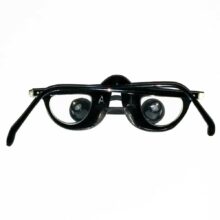
Before the intraocular lens existed, cataract surgery patients faced a difficult reality. After their clouded natural lens was removed, they needed extremely thick magnifying spectacles just to see. High-powered contact lenses were later developed as an alternative. However, they proved impractical for the elderly patients who needed cataract surgery most.
Harold Ridley and the PMMA Discovery
Harold Ridley of Britain is recognized as the father of the intraocular lens. He made a crucial observation during World War II. Injured RAF pilots had fragments of PMMA — polymethylmethacrylate — from shattered aircraft canopies embedded in their eyes. Unlike glass or metal, the PMMA caused no inflammatory reaction. Ridley concluded that PMMA was inert enough to be implanted permanently inside the human eye. He performed the first IOL implantation in 1949.
The Lenses in This Collection
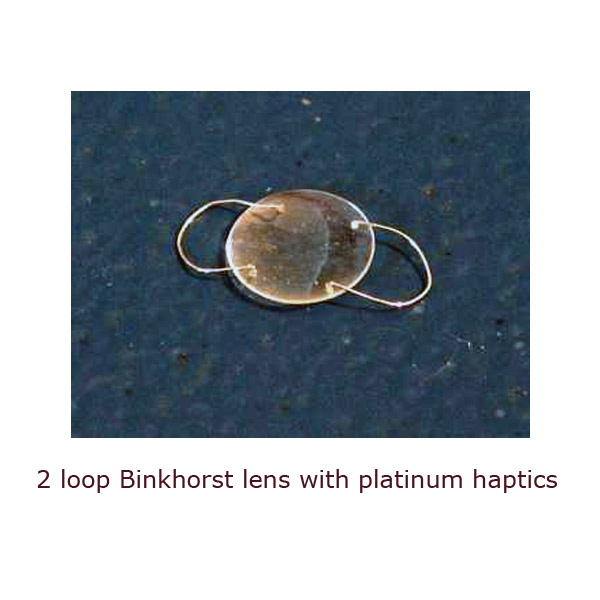
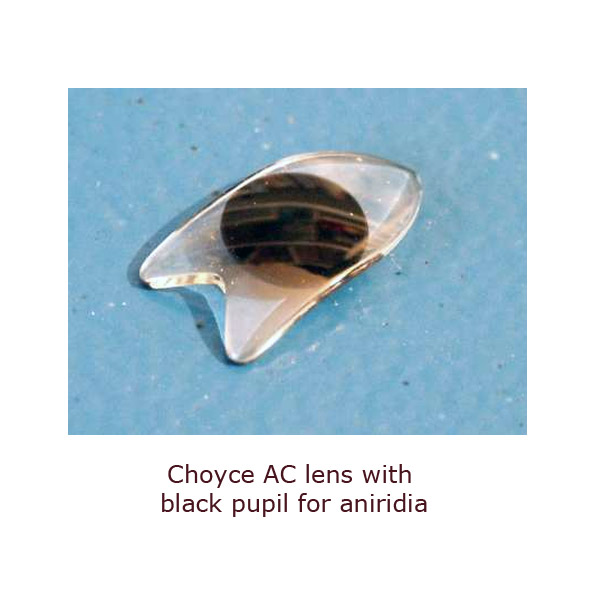
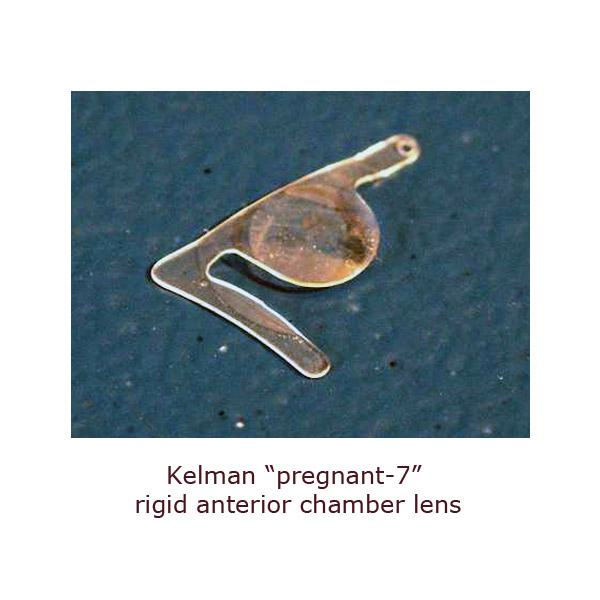
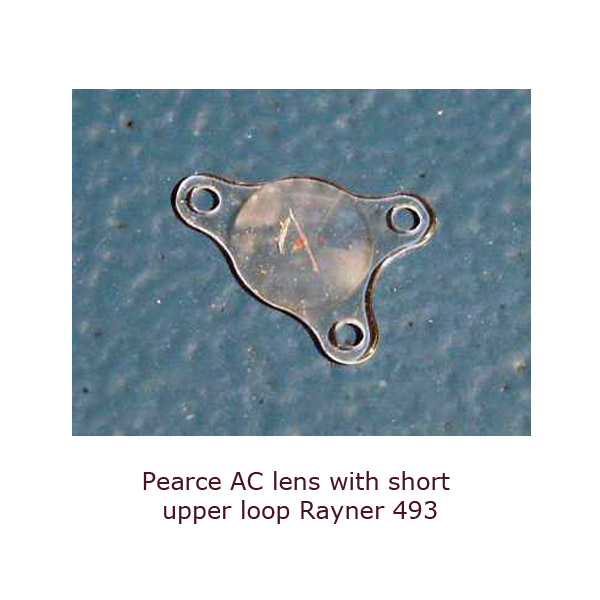
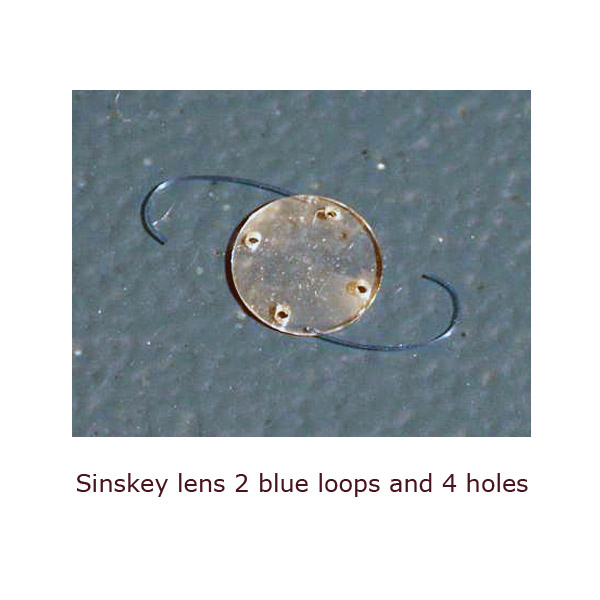
The examples shown here are primarily made of PMMA. The collection includes 48 lenses representing many different designs from the early decades of IOL development. The featured lead image shows a Worst medallion lens with 2 loops and holes for iris suture — one of the most distinctive early IOL designs.
Early IOL designs varied enormously as surgeons experimented with different fixation methods, loop configurations, and optical zones. This collection captures that period of rapid innovation beautifully.
From PMMA to Modern IOLs
Although these lenses are not antiques in the traditional sense, they represent a period of technological change so rapid that each design quickly became obsolete. Today intraocular lenses are made from acrylic, silicone, and co-polymer materials. Modern IOLs correct astigmatism and presbyopia as well as the basic refractive error caused by cataract removal. The intraocular lens assortment shown here bridges the gap between the first tentative implants of the 1950s and the sophisticated lenses of today.