
Gullstrand Binocular Ophthalmoscope 1911 | Nobel Prize Era Antique Ophthalmic Instrument
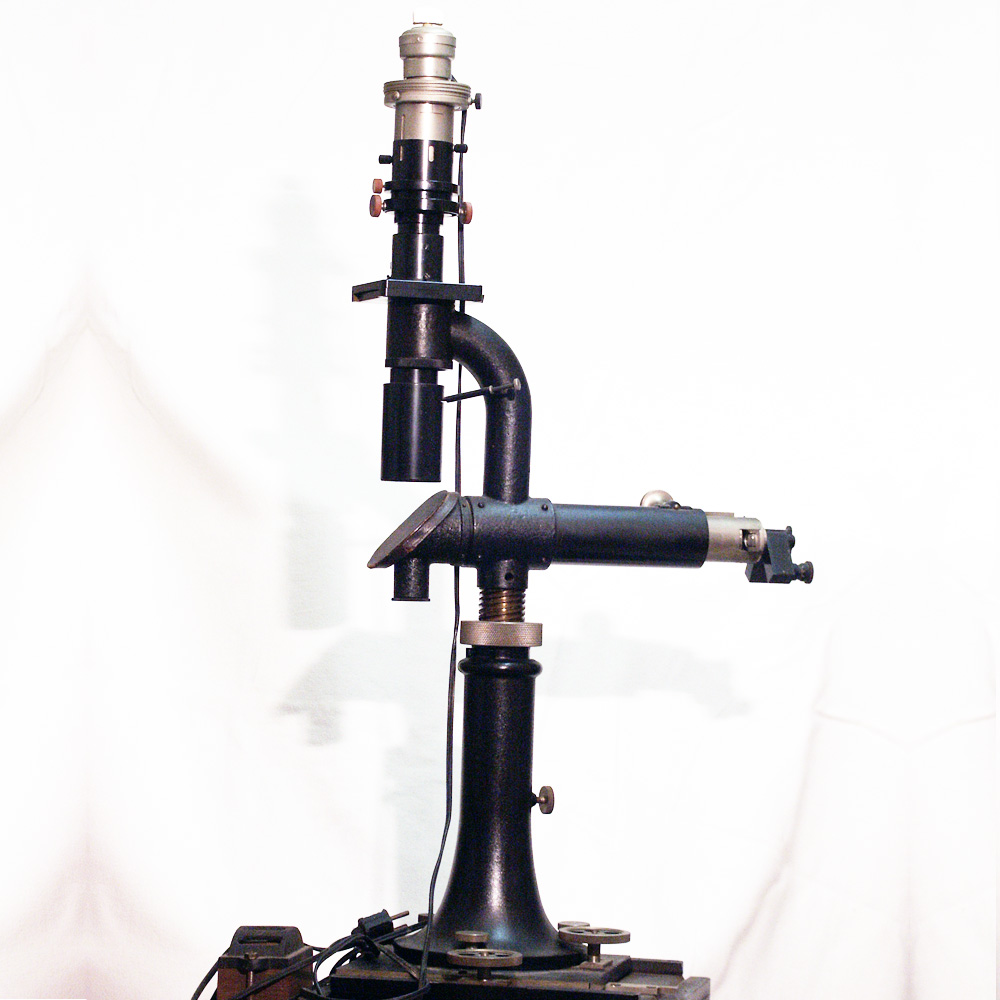
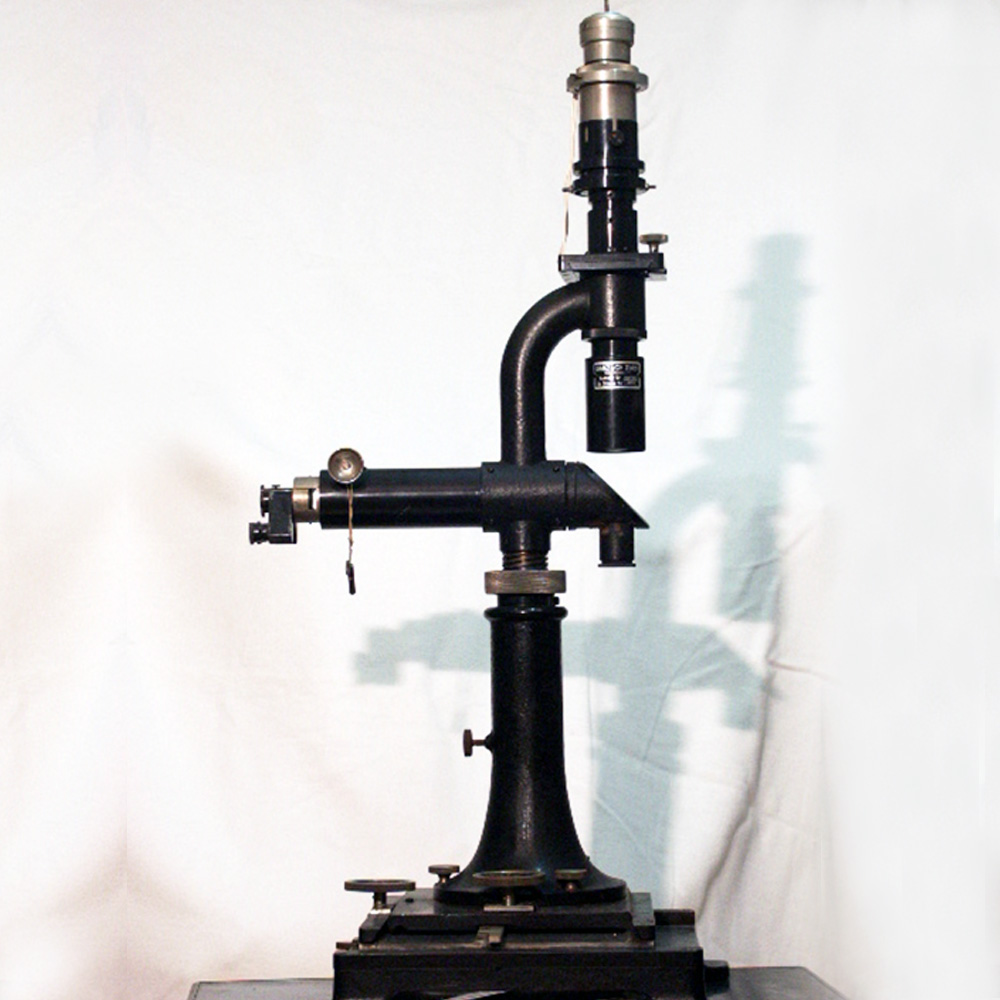
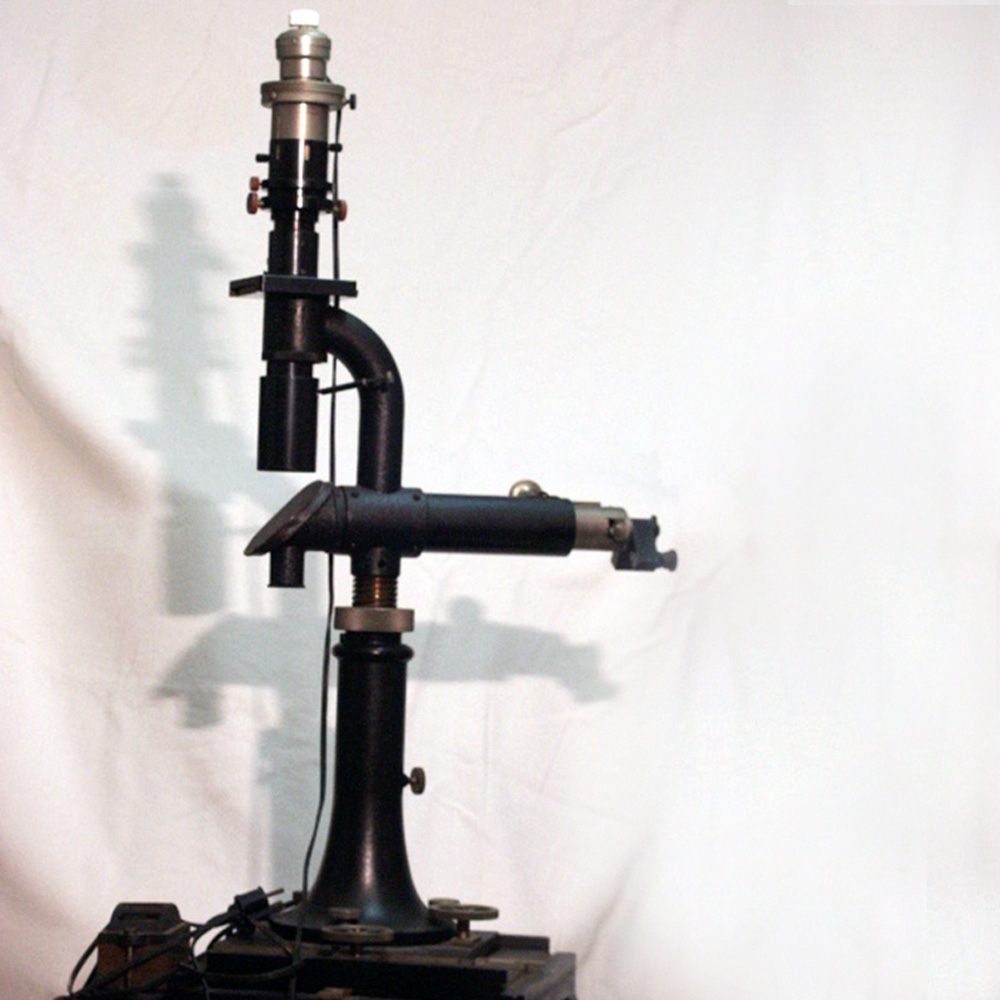
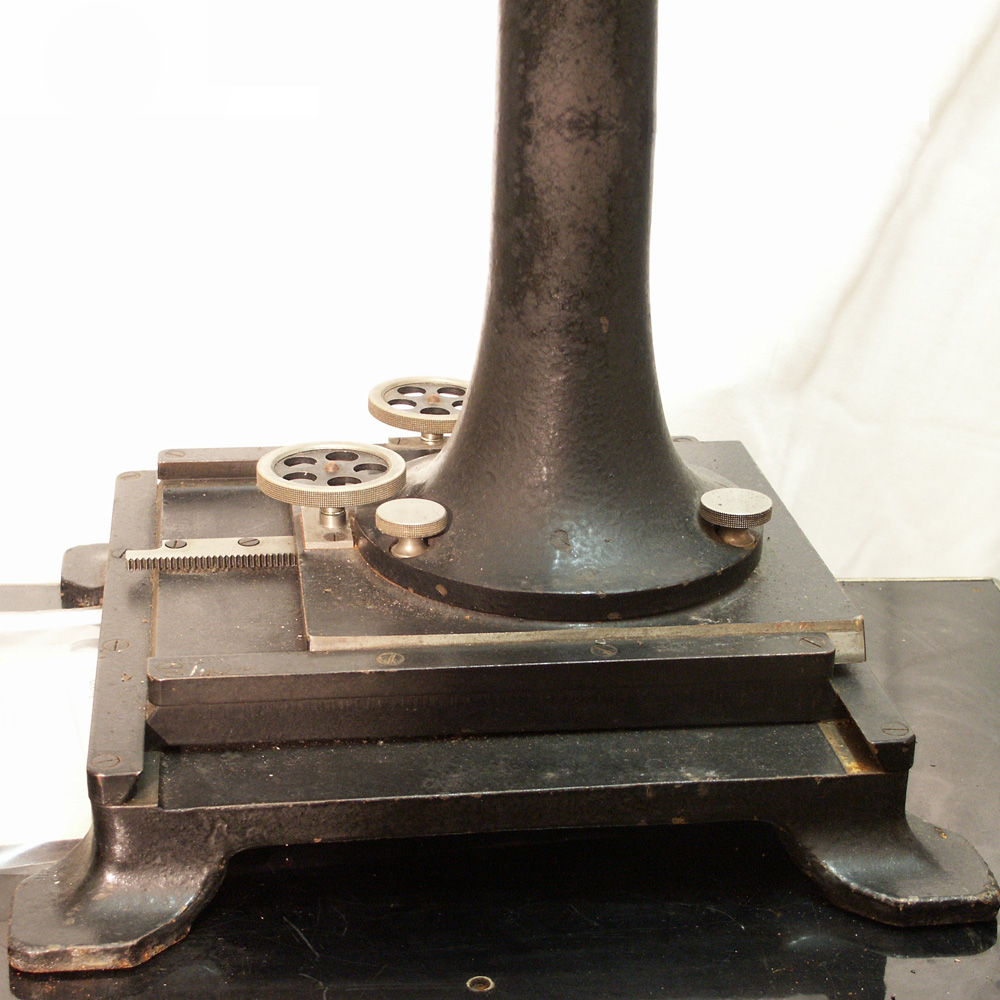
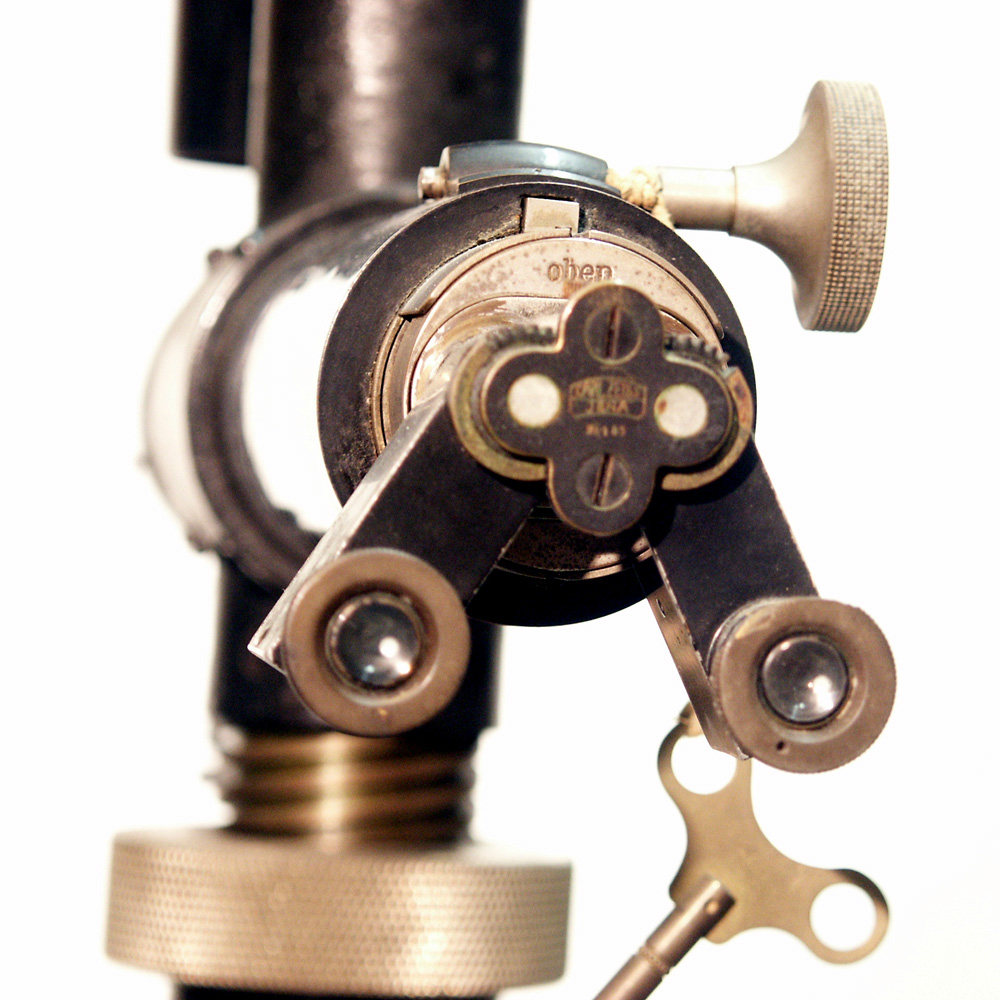
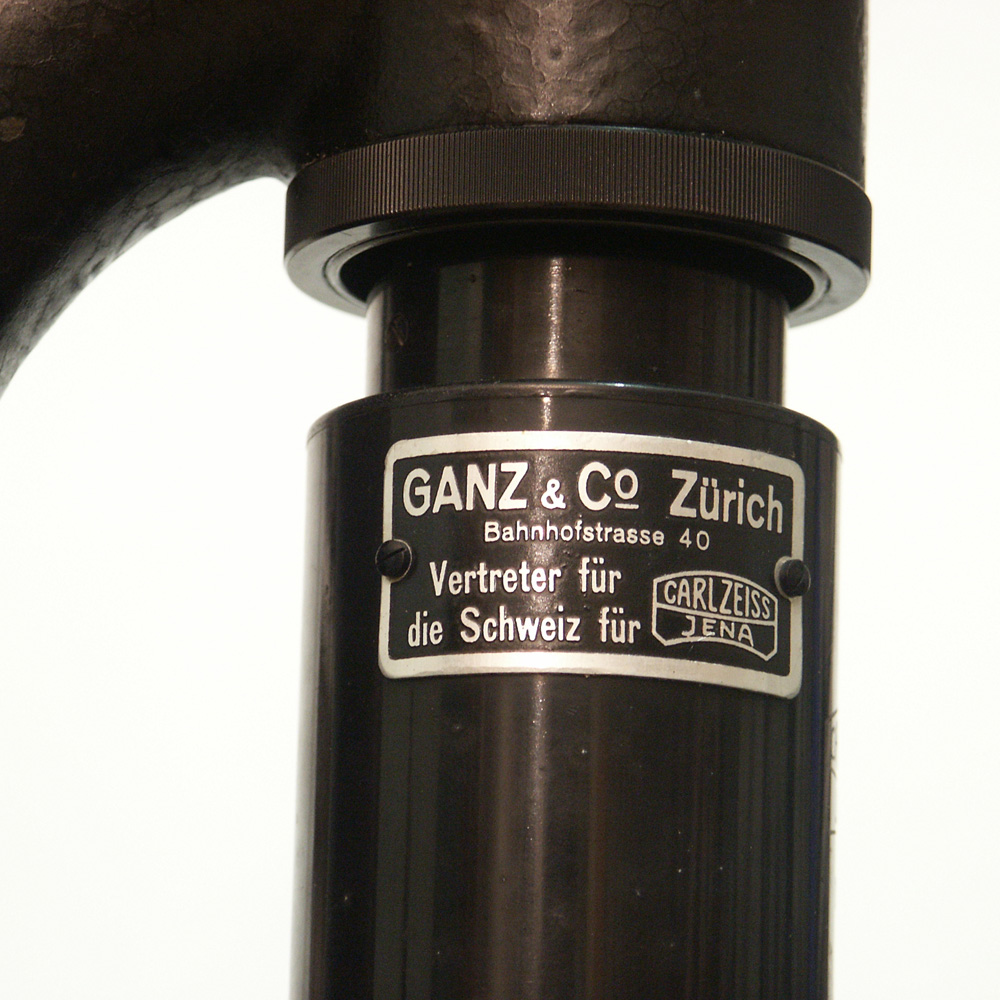
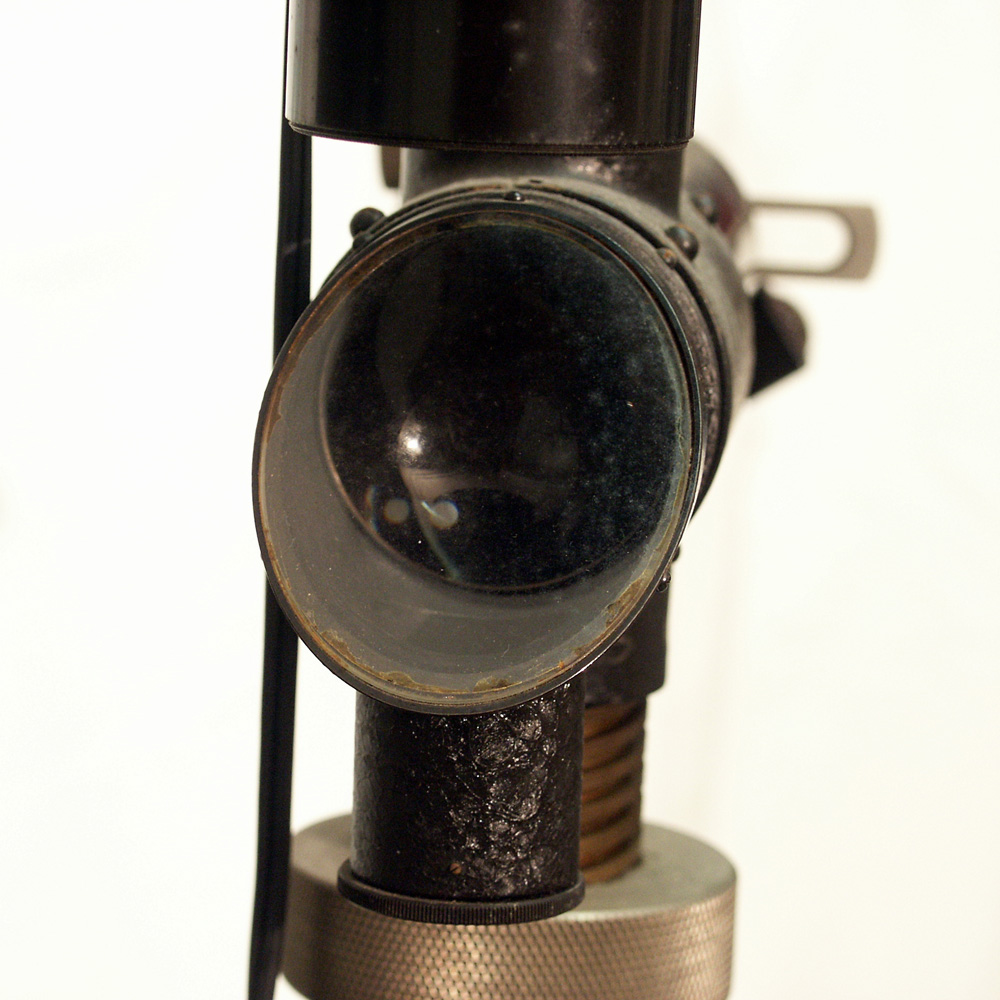
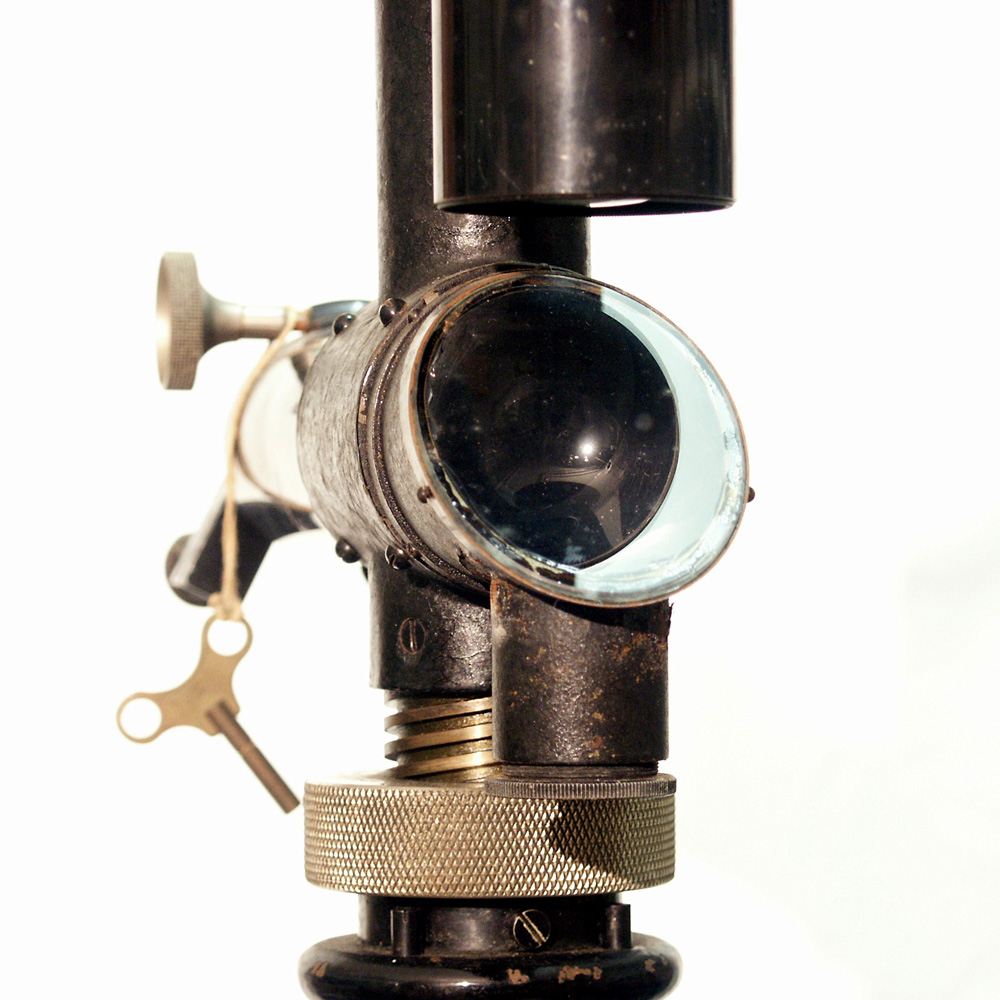
A truly exceptional and museum-quality antique Gullstrand binocular ophthalmoscope dating to 1911 — one of the most important and celebrated instruments in the entire history of ophthalmology. This remarkable table-mounted instrument was designed so that both monocular and binocular viewing could be achieved using the same oculars as those used for the hand ophthalmoscope, a brilliant integration of flexibility and precision that reflected the extraordinary optical genius of its creator.
Allvar Gullstrand (1862–1930) was one of the most celebrated Swedish ophthalmologists and optical scientists of his era. His contributions to the understanding of the optics of the human eye were so profound and far-reaching that he was awarded the Nobel Prize in Physiology or Medicine in 1911 — the very year this instrument type was introduced — making this ophthalmoscope a direct contemporary of his greatest scientific recognition. Gullstrand’s work on the schematic eye, on astigmatism, and on the design of ophthalmic instruments fundamentally transformed the science of vision and the practice of eye examination.
The Gullstrand binocular ophthalmoscope brought stereoscopic depth perception to fundus examination for the first time, allowing clinicians to appreciate the three-dimensional structure of the optic disc, retinal vessels, and macular region in a way that monocular instruments simply could not provide. This capability proved invaluable in the assessment of papilledema, glaucomatous cupping, and retinal elevation.
An instrument of towering historical significance, extraordinary rarity, and compelling visual presence — a centrepiece of any serious collection of antique ophthalmic instruments.