
Marple-Morton Ophthalmoscope | Early 1900s Battery

Marple-Morton Ophthalmoscope — Early 1900s
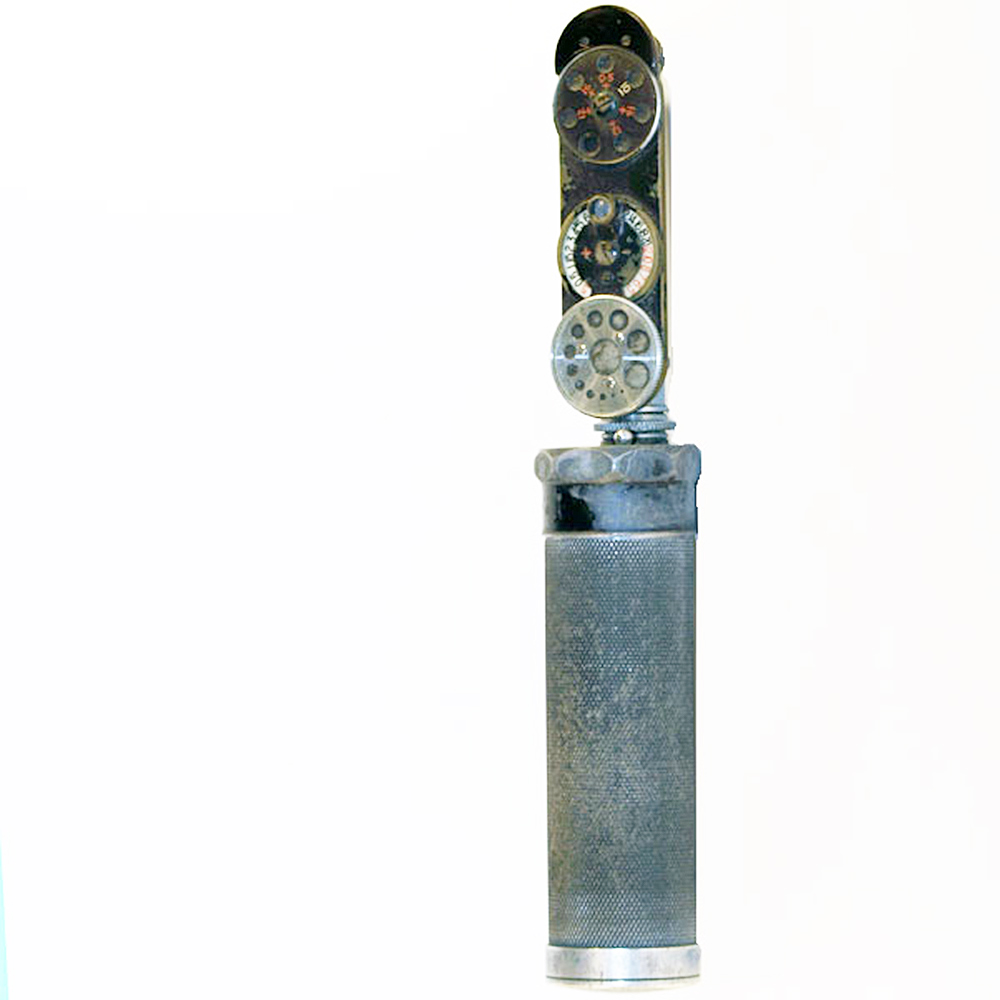
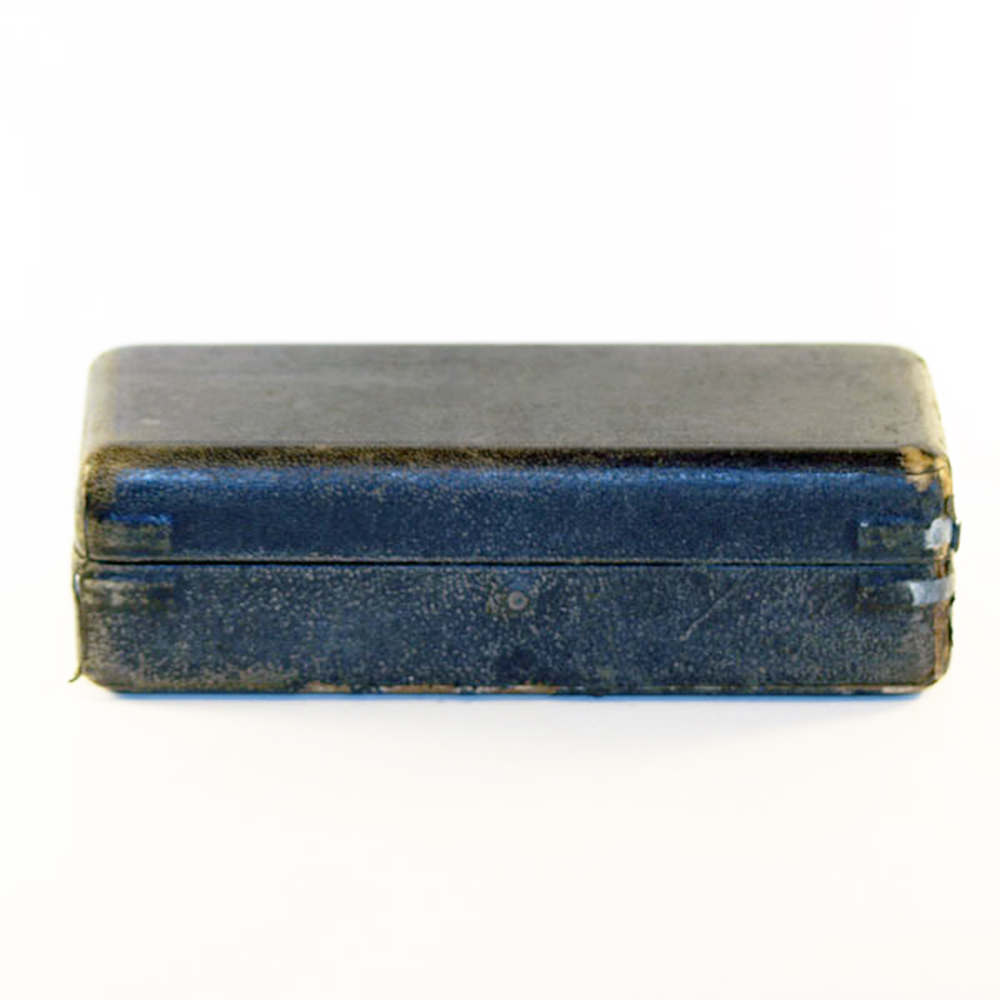
The Marple-Morton ophthalmoscope is a rare and historically significant instrument from the early 20th century. It represents an important transitional moment in ophthalmic instrument design — the shift from mirror-based models requiring external light sources to self-illuminated, battery-powered diagnostic tools. This example comes complete with its original case, making it an exceptionally fine museum piece. Read the history of the ophthalmoscope at the College of Optometrists
The Marple-Morton Design
The Marple-Morton ophthalmoscope takes its name from its American inventors. Charles Marple and Donn Morton developed their design in the early 1900s as battery-powered illumination was beginning to transform medical instrumentation. Their instrument incorporated a built-in battery handle, eliminating the need for a separate lamp or reflected candlelight. This was a forward-thinking solution that anticipated the direction all ophthalmoscope design would eventually follow.
Battery-Powered Innovation
The battery handle on this instrument marks it as a product of a pivotal era. Before self-contained illumination, clinicians depended on mirrors and external light sources to examine the eye’s interior. The introduction of battery power gave physicians reliable, portable, and consistent illumination. The Marple-Morton design brought this capability into a compact, hand-held form. Few early examples of this technology survive in as complete a state as this one.
Construction and Condition
The instrument body features a multi-lens disc of the type common to American ophthalmoscope design in the early 1900s. The cylindrical battery handle is integrated directly below the head. The overall construction reflects the machine-age precision of early American medical instrument manufacturing. The accompanying case provides both protection and important context for dating and provenance.
A Collector’s Piece of the Highest Order
Battery-powered ophthalmoscopes from the early 1900s are uncommon in any condition. A complete Marple-Morton example with its original case is genuinely rare. Collectors of antique medical instruments and historians of ophthalmology will recognize this piece as an outstanding find. See our antique ophthalmoscope museum collection.