
Fisher Model Eye with Slides | Antique Teaching Tool



Fisher Model Eye with Slides — Antique Ophthalmic Teaching Model | Early 1900s
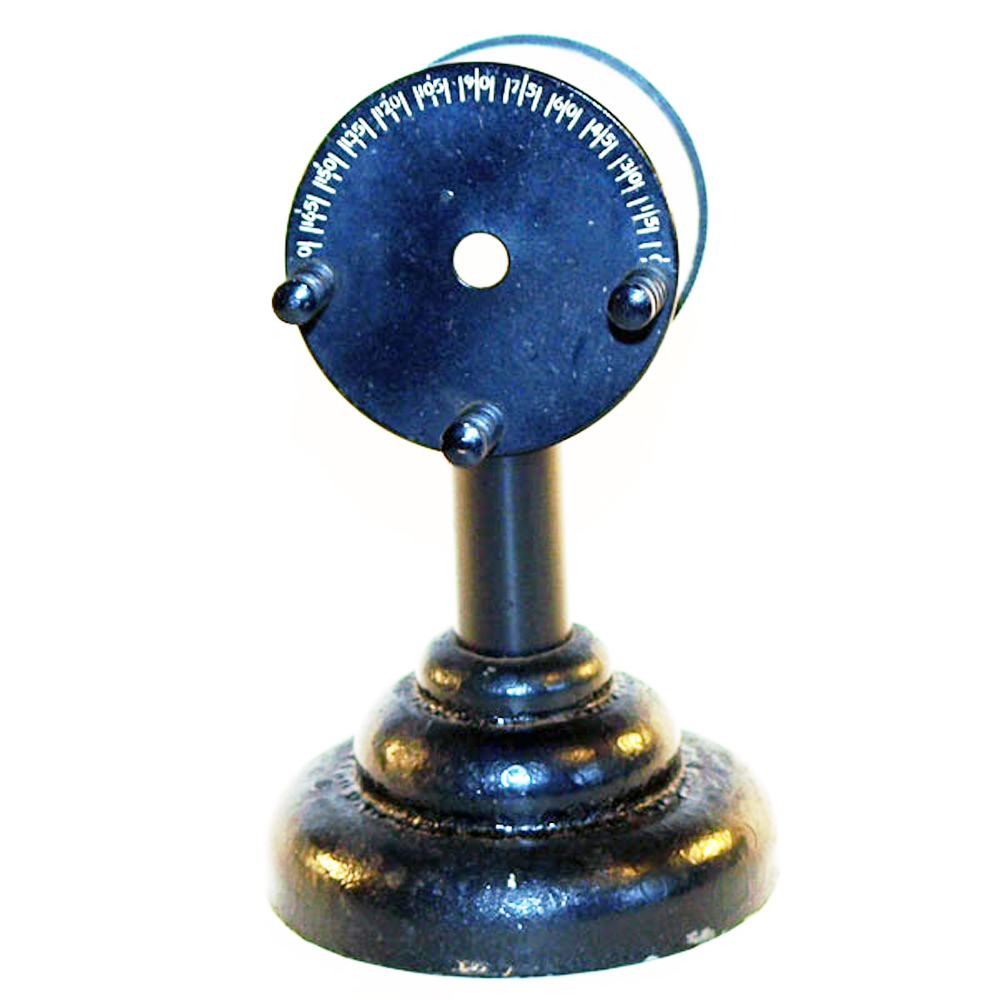
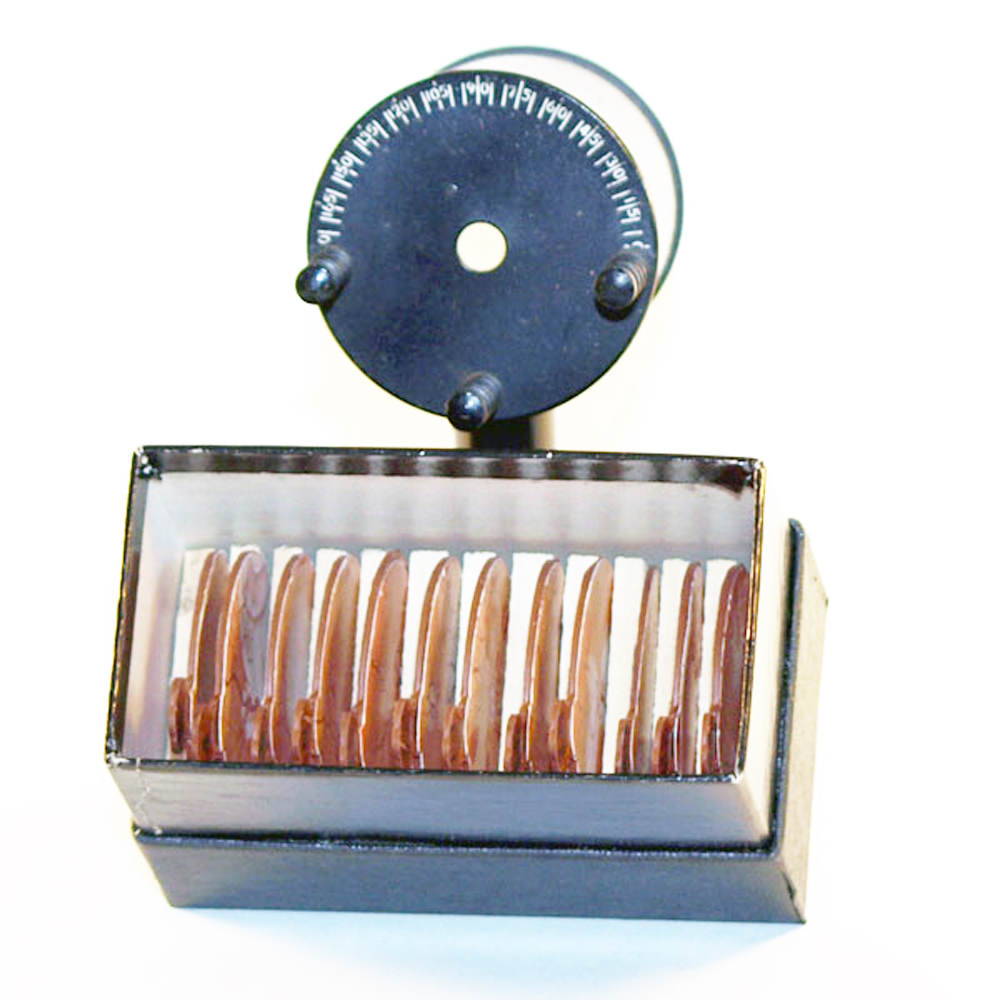
The Fisher Model Eye with slides is a rare and fascinating early 1900s ophthalmic teaching instrument. Makers designed it to train students and clinicians in the recognition of diseases and conditions of the fundus of the eye. This beautifully crafted model eye mounts on a weighted cast metal base and features a central aperture through which the teaching slides could be inserted. Complete with its full set of double-sided teaching slides, this example stands as a remarkably intact and fully functional piece of early ophthalmic medical education equipment.
How the Fisher Model Eye Works
The learning method was elegantly simple yet highly effective. A slide depicting a particular retinal condition slid into the model eye. The student then looked inside using an ophthalmoscope, experiencing the appearance of that condition exactly as it would present during a live clinical examination. In this way, students could learn to identify the various disease conditions of the retina before encountering them in a real patient. Conditions represented include diabetic retinopathy, papilledema, and macular degeneration — among the most clinically significant retinal findings a physician could encounter.
An Ingenious Educational Solution
Before simulation technology existed, medical educators relied on physical models like this one. The Fisher Model Eye solved a genuine pedagogical problem. Retinal disease is invisible to the naked eye. Furthermore, examining a real patient’s fundus requires skill that only develops through practice. By allowing students to examine realistic slide representations through an actual ophthalmoscope, the Fisher model bridged the gap between classroom instruction and clinical reality. Consequently, it made a direct contribution to the quality of ophthalmic medical training in the early 20th century.
Construction and Condition
The weighted cast metal base provides stable support during examination. The dark metal globe sits on a turned pedestal. The central aperture accepts the teaching slides cleanly. Moreover, the complete set of double-sided teaching slides accompanies this example — a distinction that makes it particularly desirable. Items of this kind seldom survive complete with their original slide sets. Browse the full antique ophthalmic objects collection to explore similarly rare teaching and clinical instruments.
Rarity and Collectibility
Complete Fisher Model Eye sets are genuinely scarce. For collectors of antique medical instruments and ophthalmology history, this example represents an outstanding find. The Museum of Vision provides valuable context on the history of ophthalmic education and the instruments that shaped it.