
Landolt Ophthalmotrope 1893 | E.B. Meyerowitz
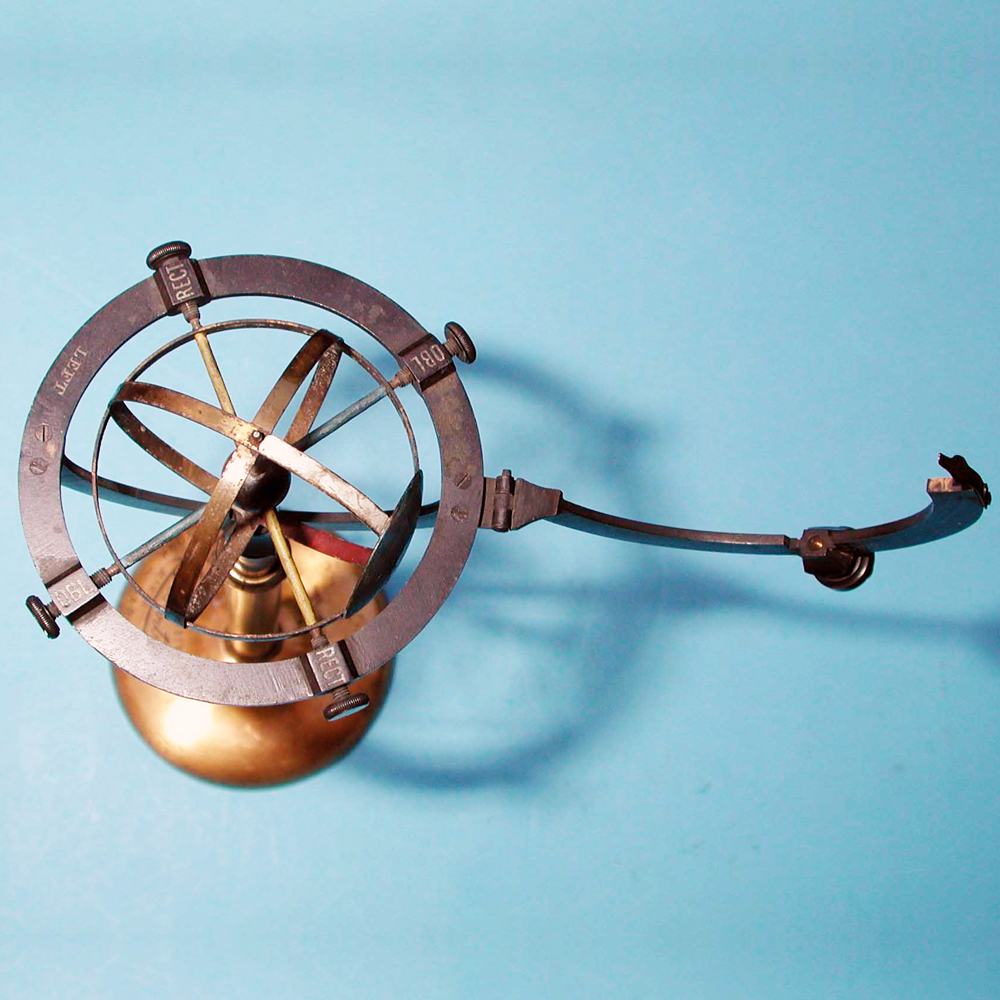
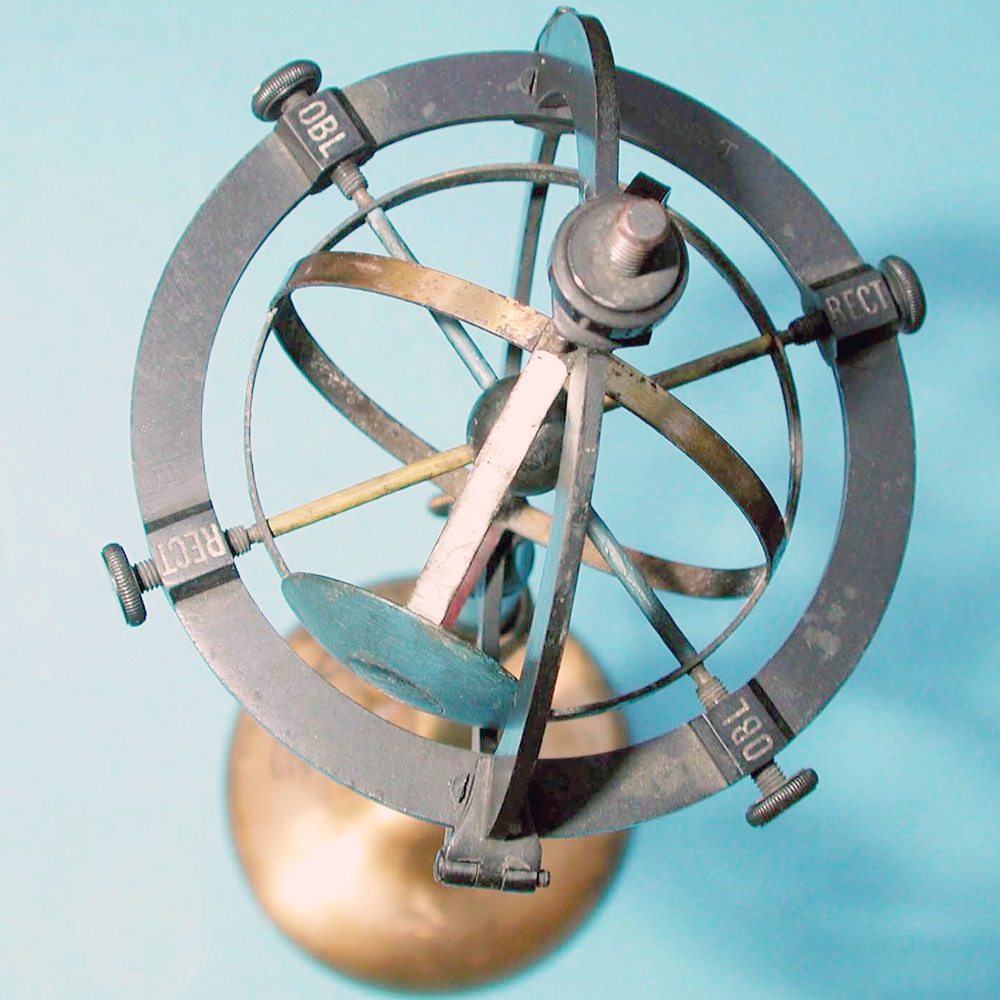
Landolt Ophthalmotrope 1893
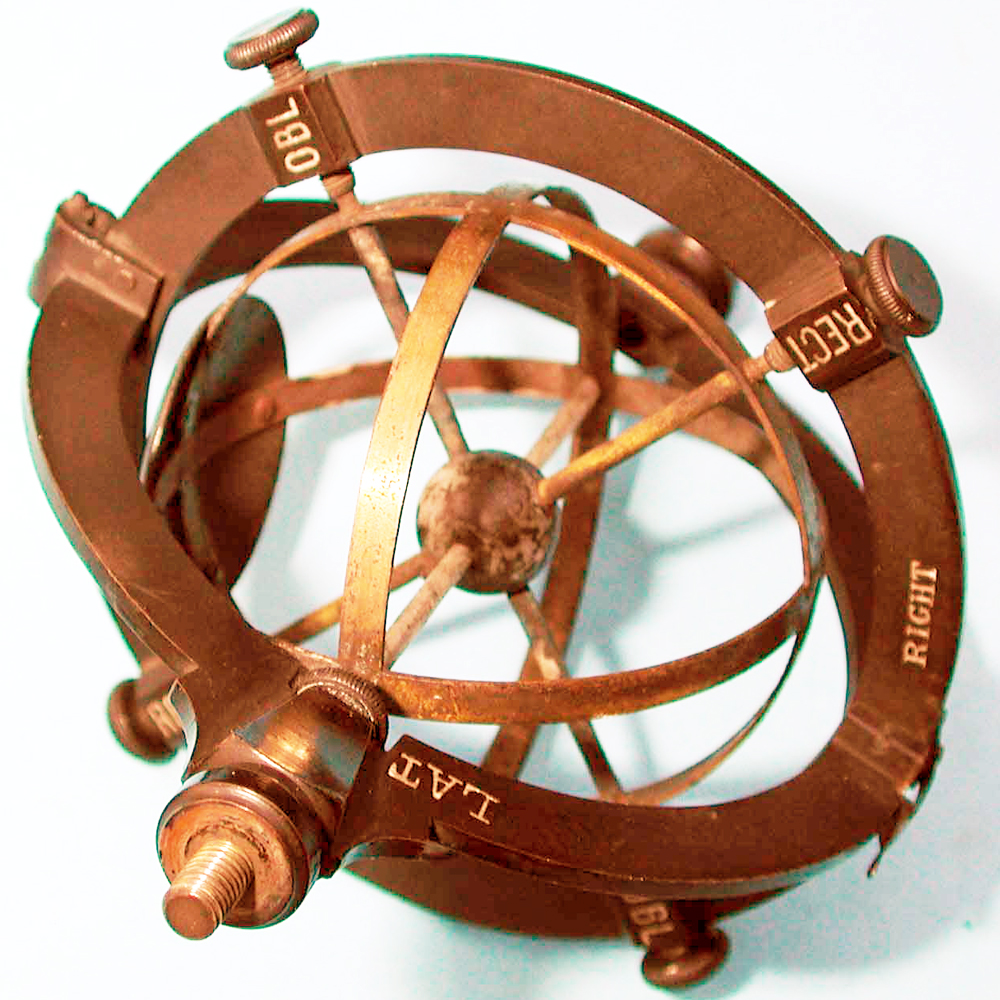
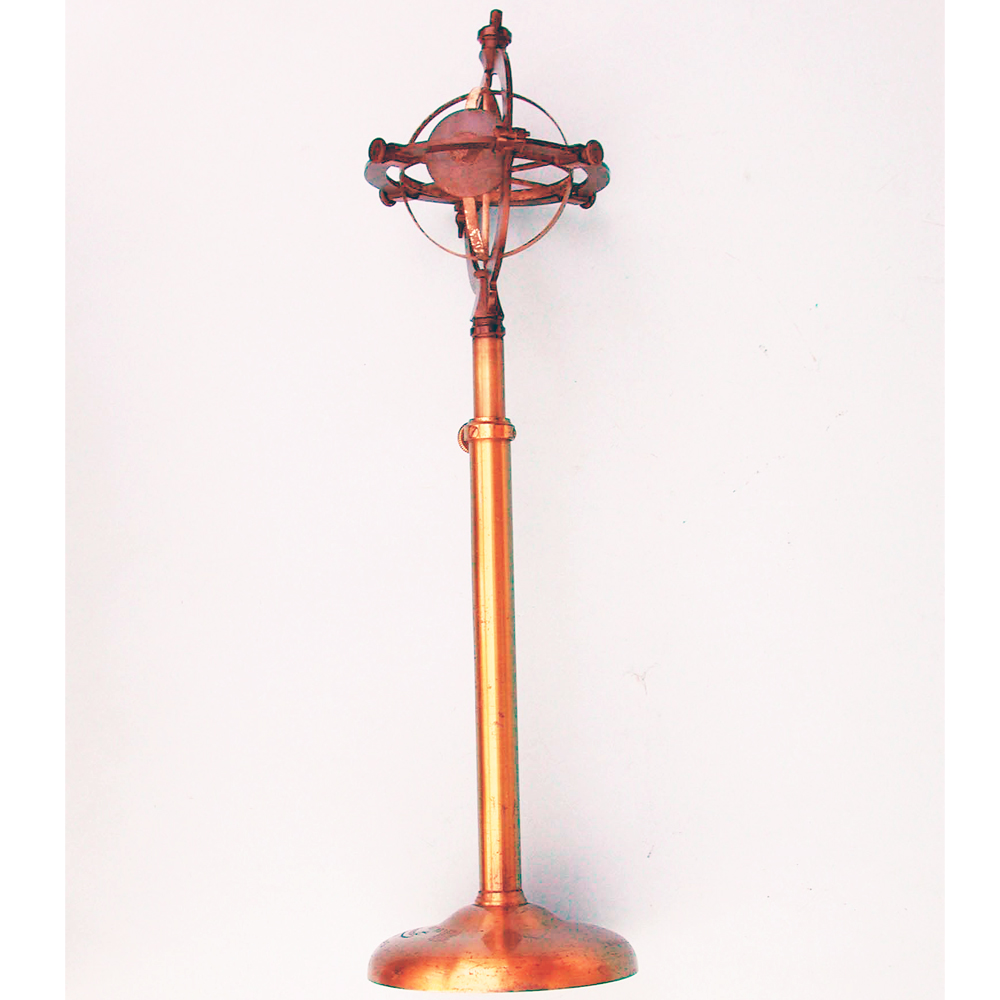
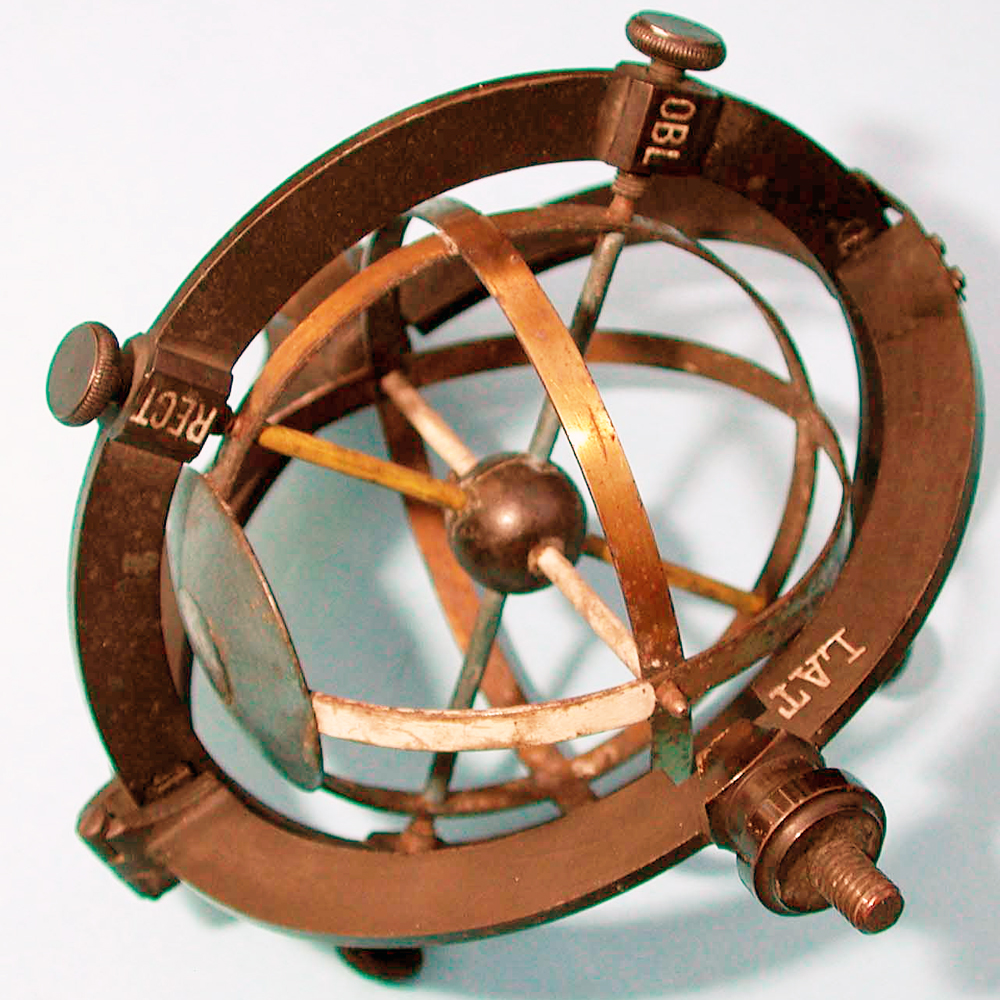
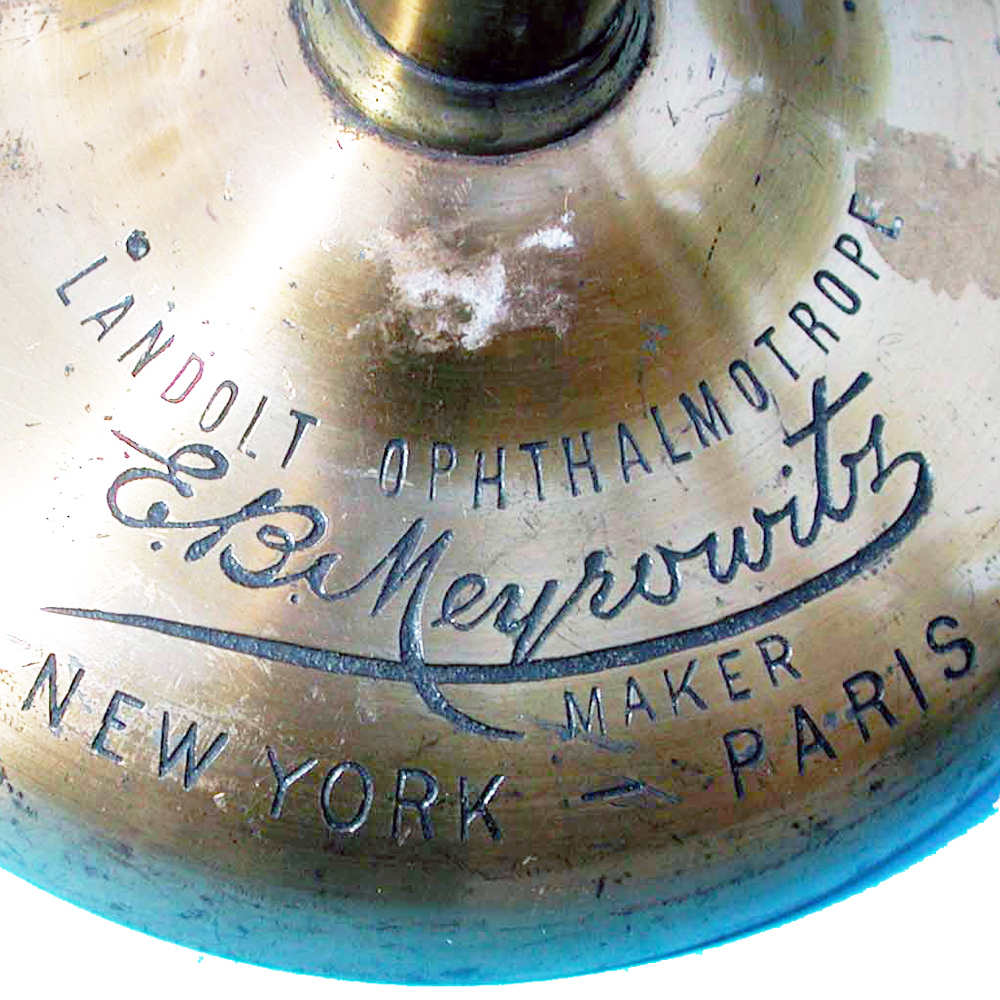
The Landolt ophthalmotrope stands as one of the most visually spectacular instruments in the history of ophthalmic science. This example dates to 1893, and E.B. Meyerowitz crafted it. Anodized and lacquered brass forms the entire piece, a warm, burnished material that gives the instrument an extraordinary sculptural presence. It stands 32cm tall and extends to 45cm. The sphere cap measures 11cm in diameter.
Origins of the Ophthalmotrope
Ruete first described the ophthalmotrope in 1845. He used a Cardan joint, also known as a universal joint, to center rotation directly on the optics. Later, Edmund Landolt (1846–1926) simplified Ruete’s design while keeping the Cardan suspension. As a result, he introduced this refined version in 1893, and it quickly became a favorite teaching tool among ophthalmologists.
What the Ophthalmotrope Does
The ophthalmotrope demonstrates eye movement in action. Instructors used this mechanical model to teach the complex rotational mechanics of ocular motility. The innermost sphere represents the eye itself. It turns on multiple axes, replicating the actions of the six extraocular muscles. Meanwhile, the telescoping lacquered brass base and stand support the frame throughout each demonstration. This instrument therefore became essential for teaching students and clinicians how the eye moves in every direction of gaze.
Construction by E. B. Meyerowitz
E. B. Meyerowitz crafted this exceptional piece with clear attention to detail. The telescoping base lets instructors raise the instrument for demonstration purposes. Additionally, the quality of the brass work and the precision of the mechanical joints reflect the high standards of late 19th century scientific instrument making.
Collectibility
The Landolt ophthalmotrope ranks among the most beautiful and desirable objects in all of ophthalmic collecting. Its rare combination of scientific significance, mechanical ingenuity, and visual beauty makes it truly exceptional. Consequently, examples in this condition remain extremely rare. Browse our other ophthalmic objects collection for related instruments.