
Antique Lorgnette Collection | 368 Rare Examples
Lorgnette Collection
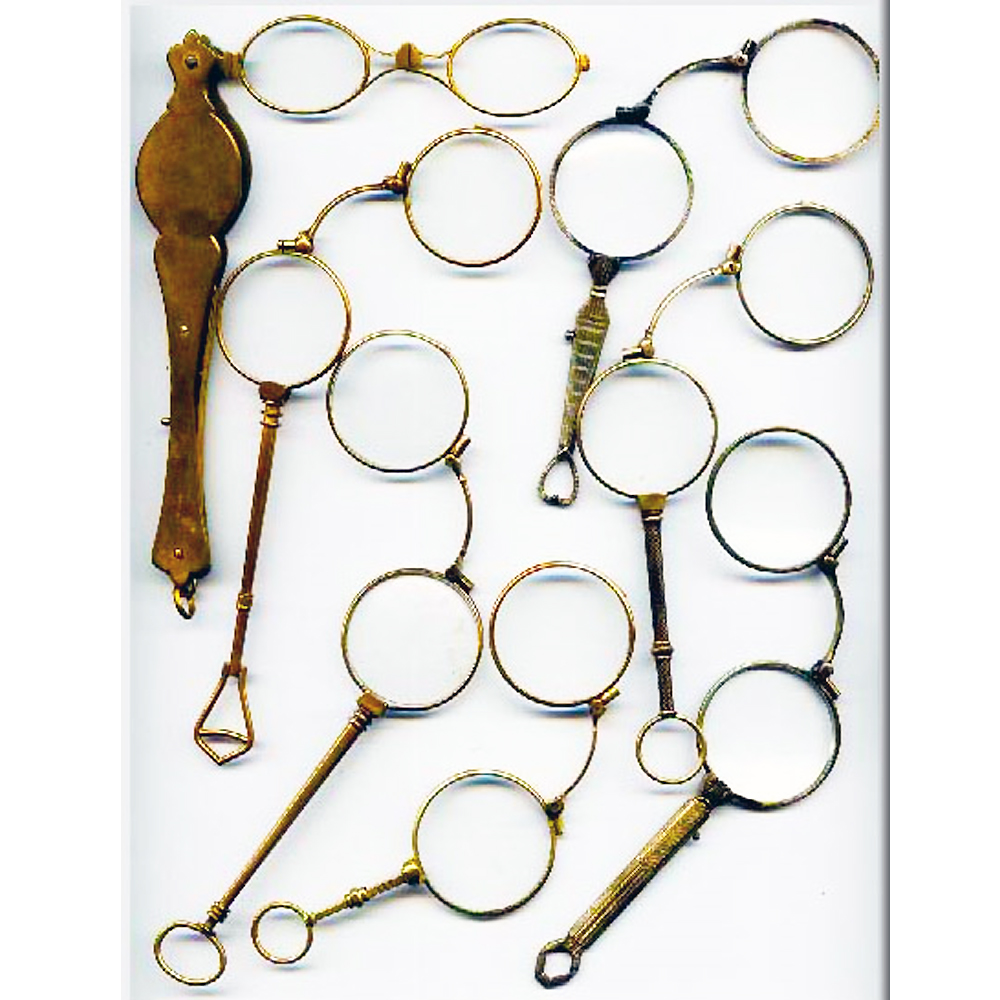
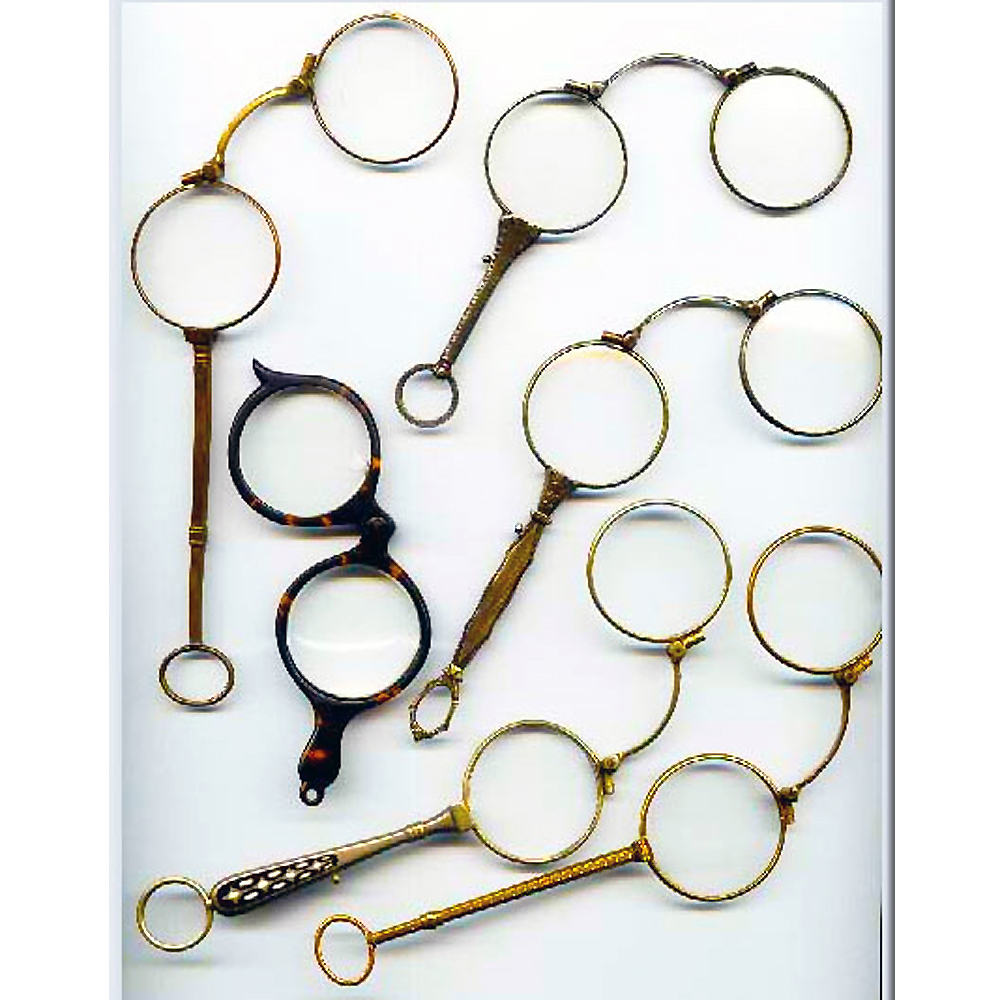
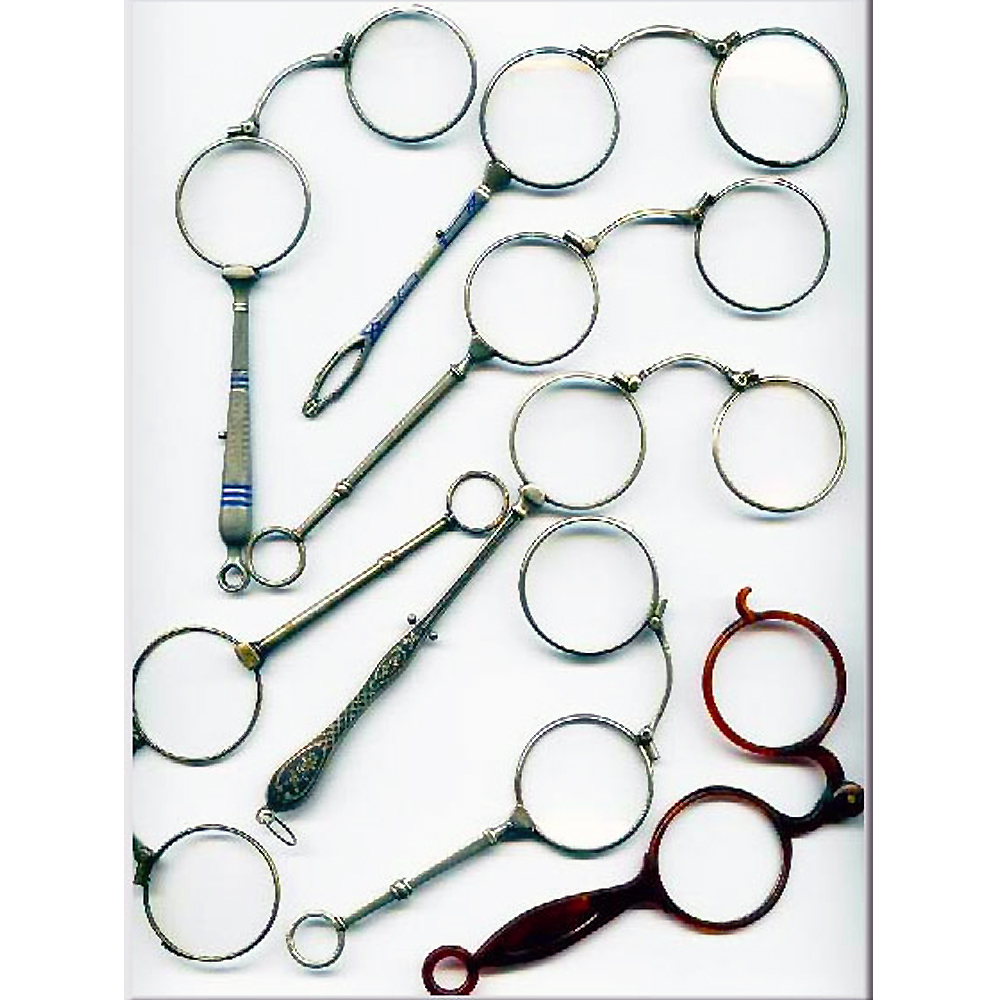
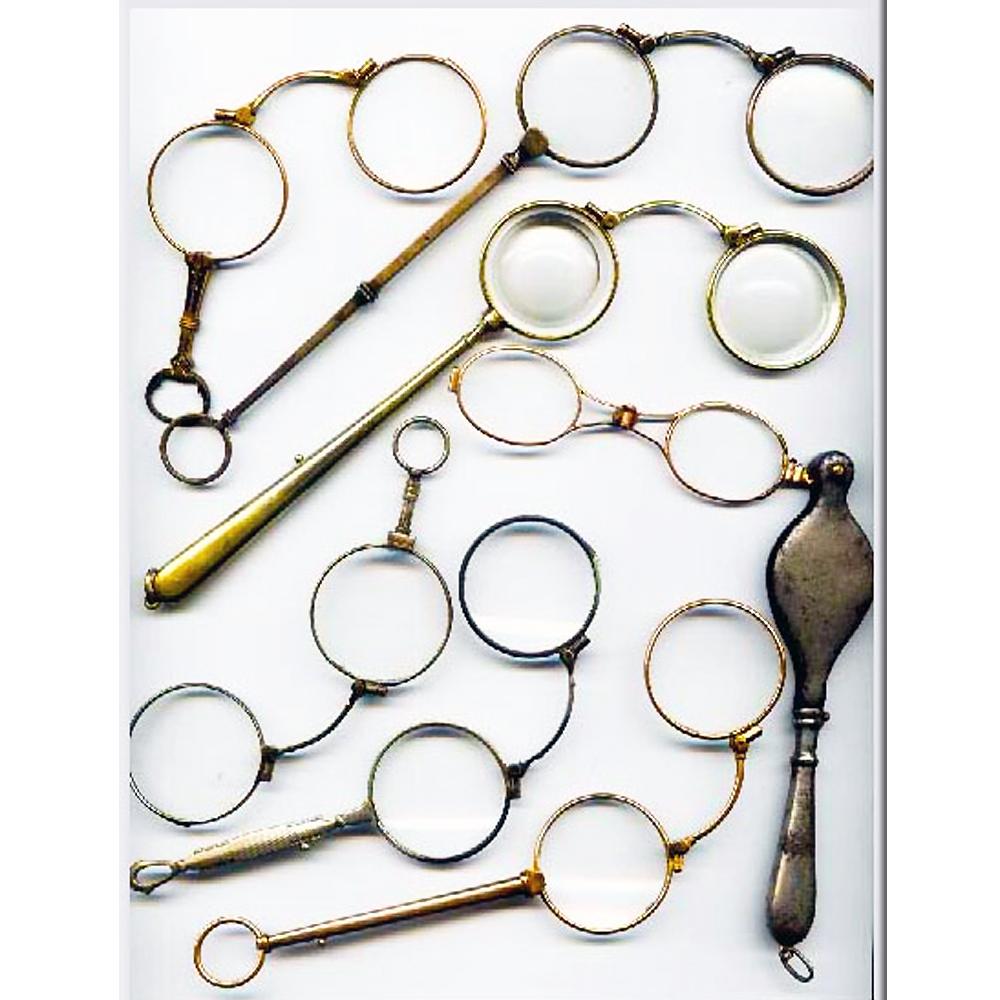
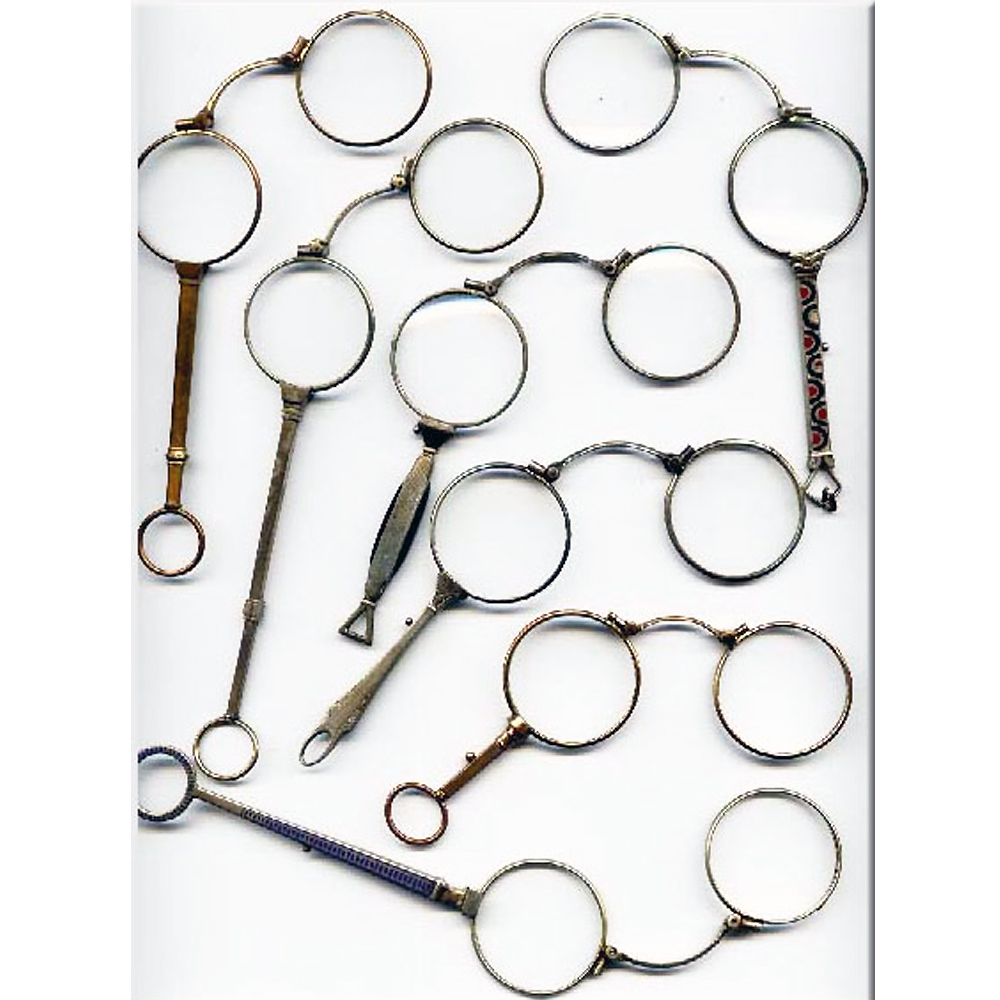
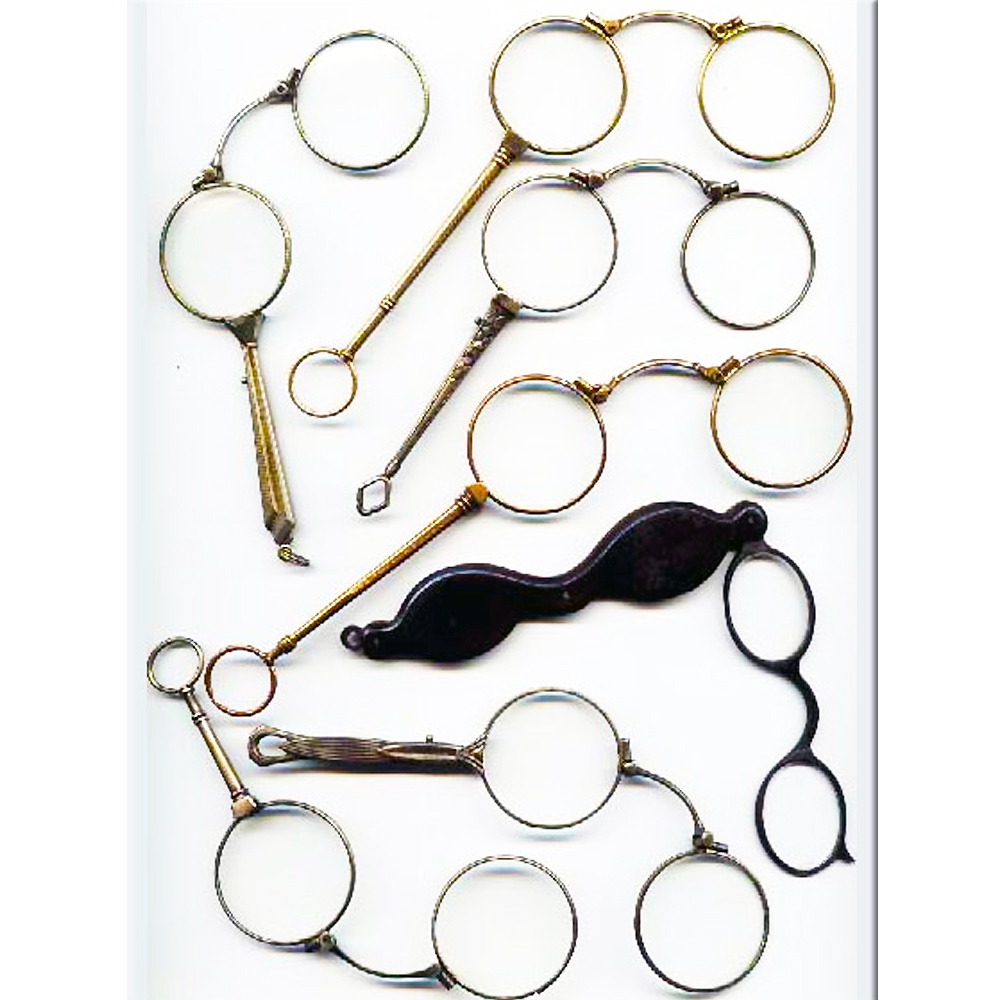
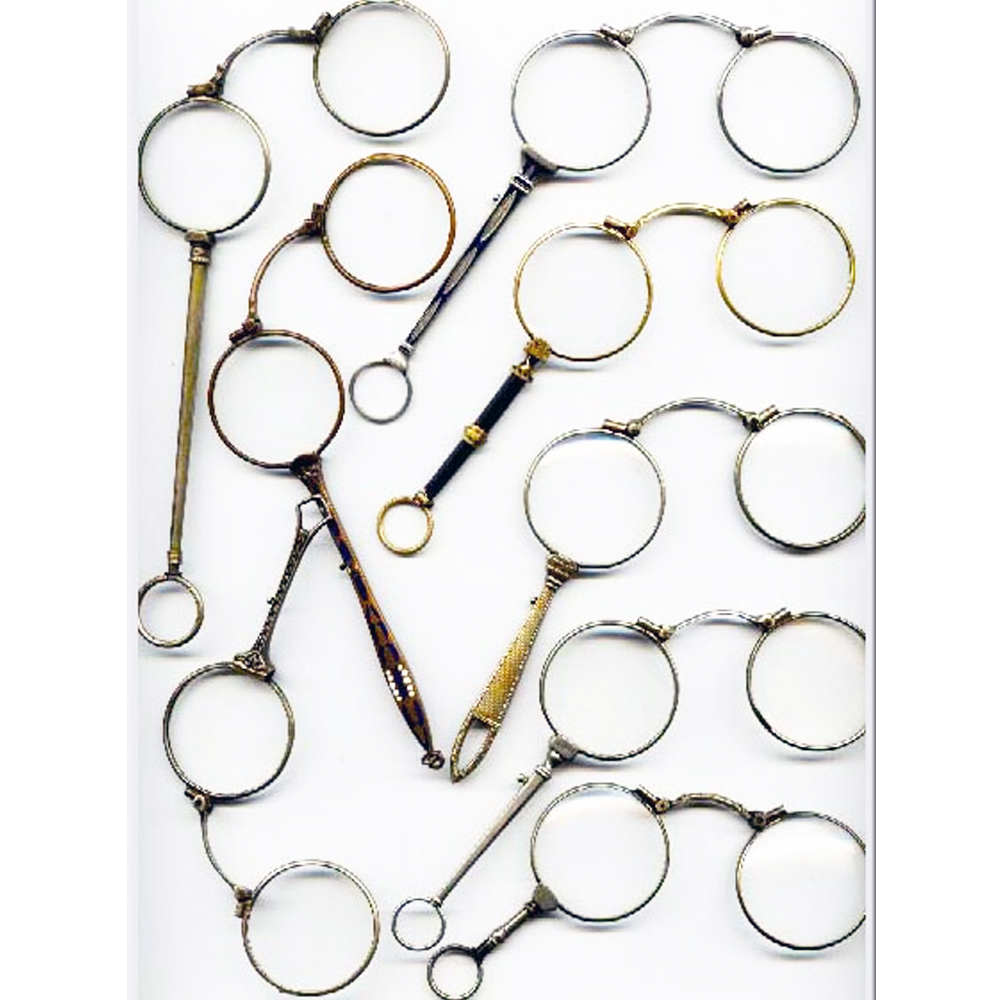
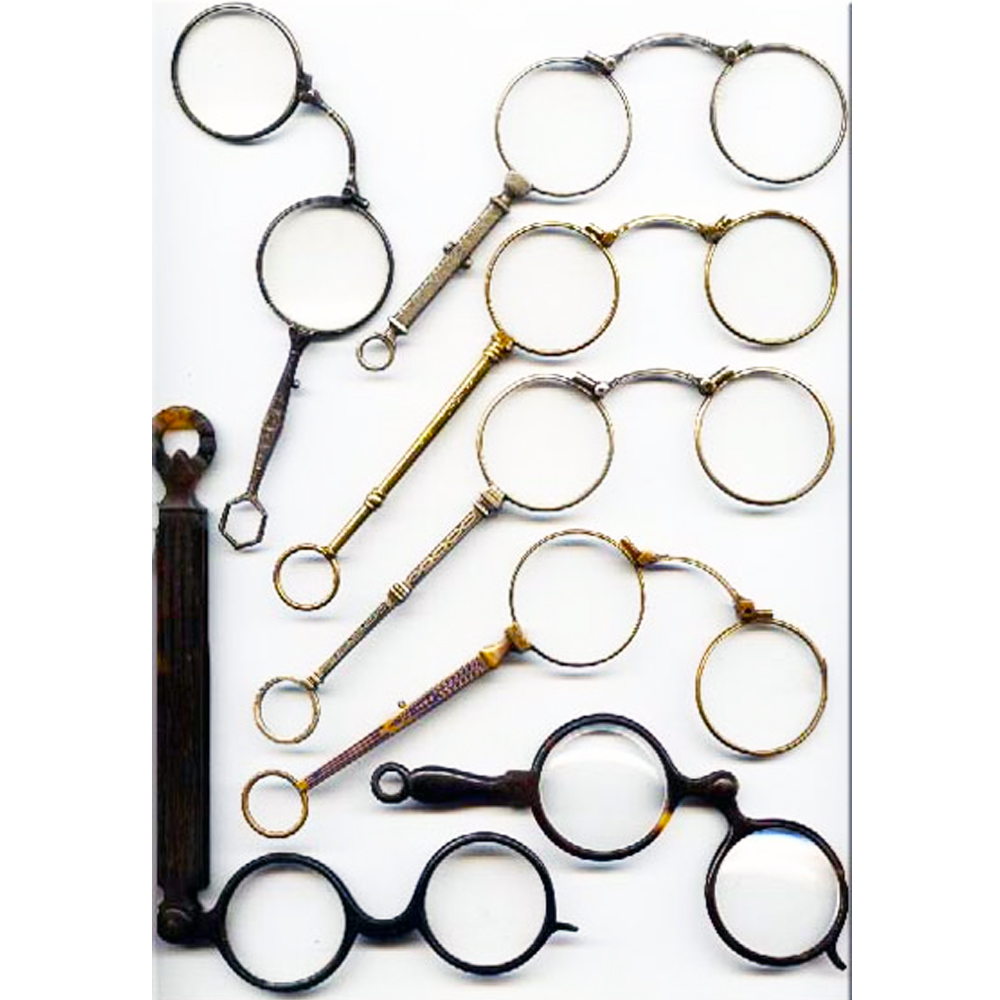
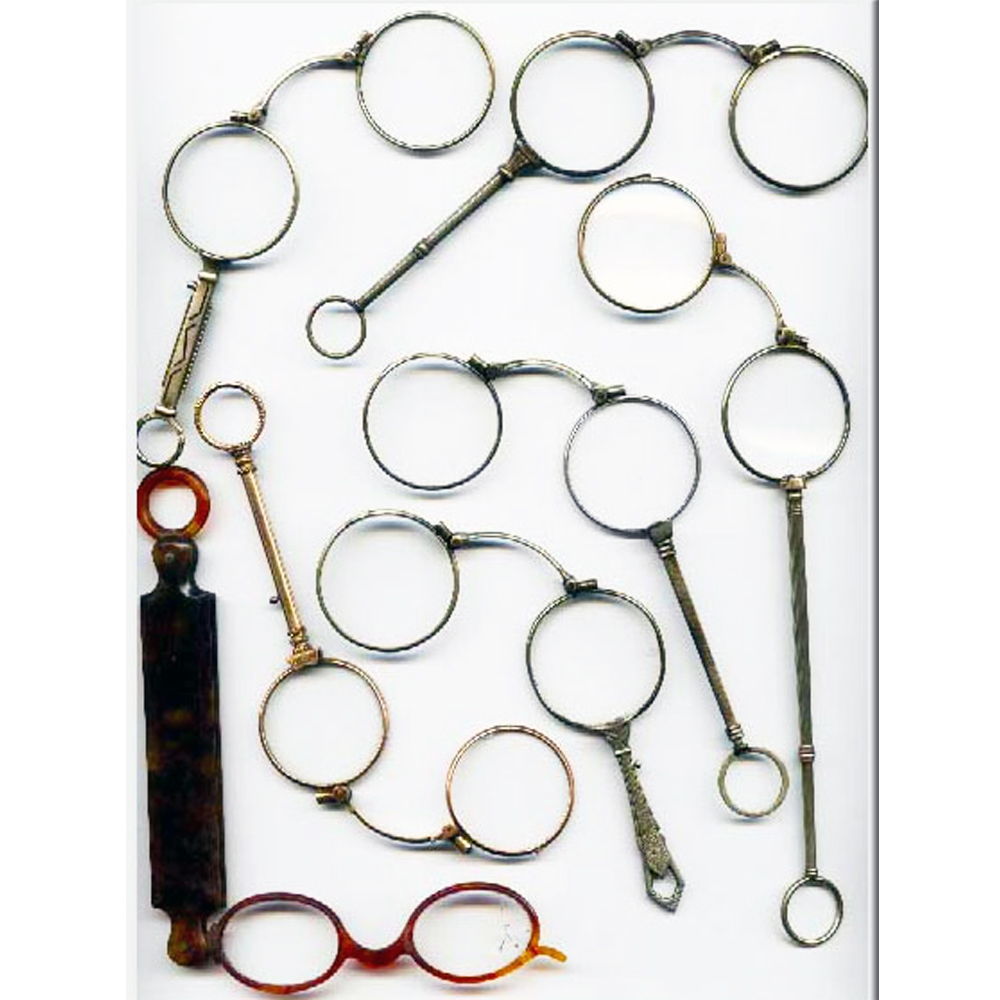
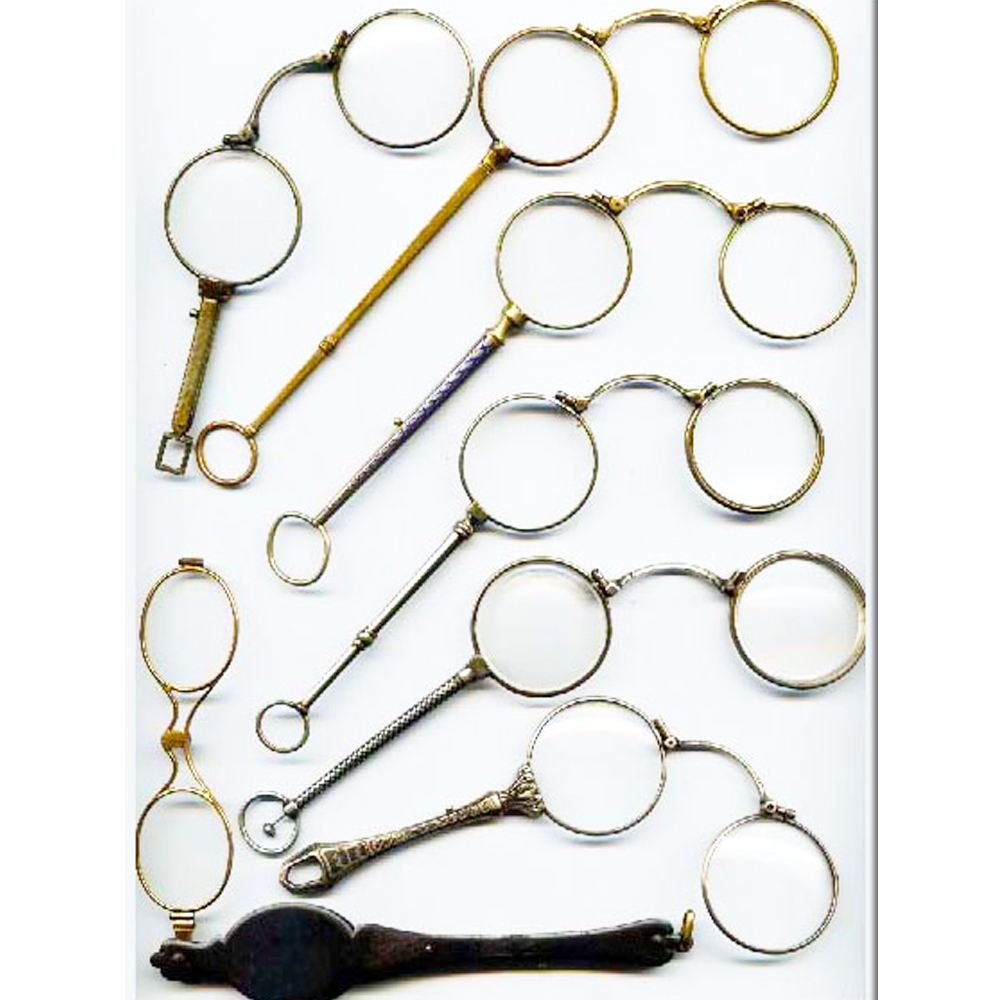
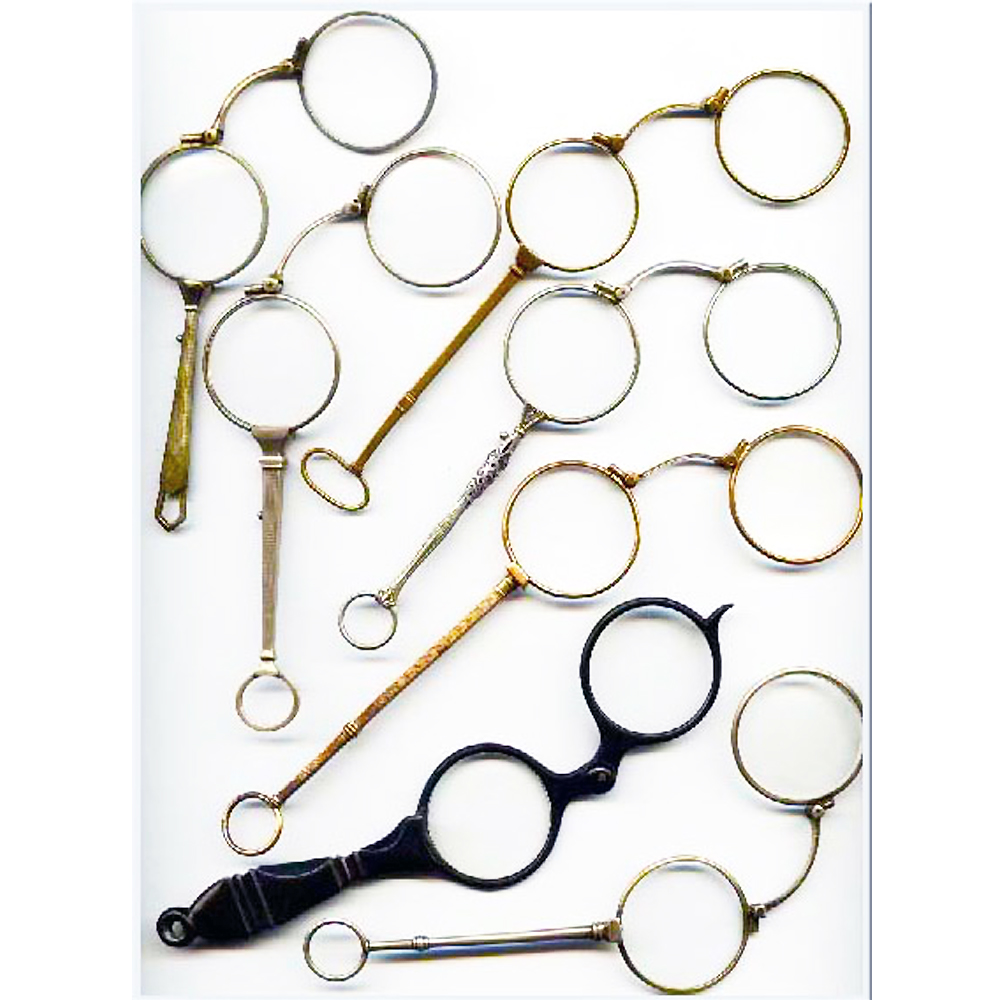
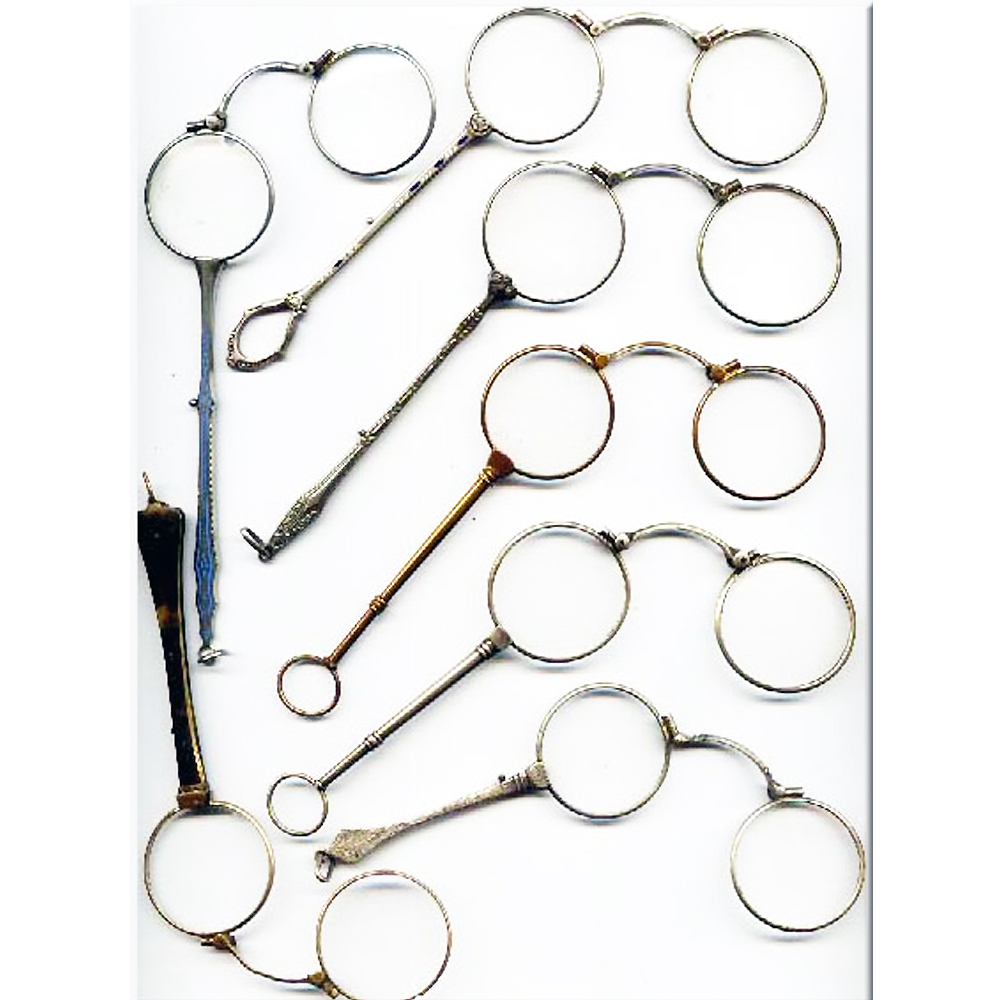
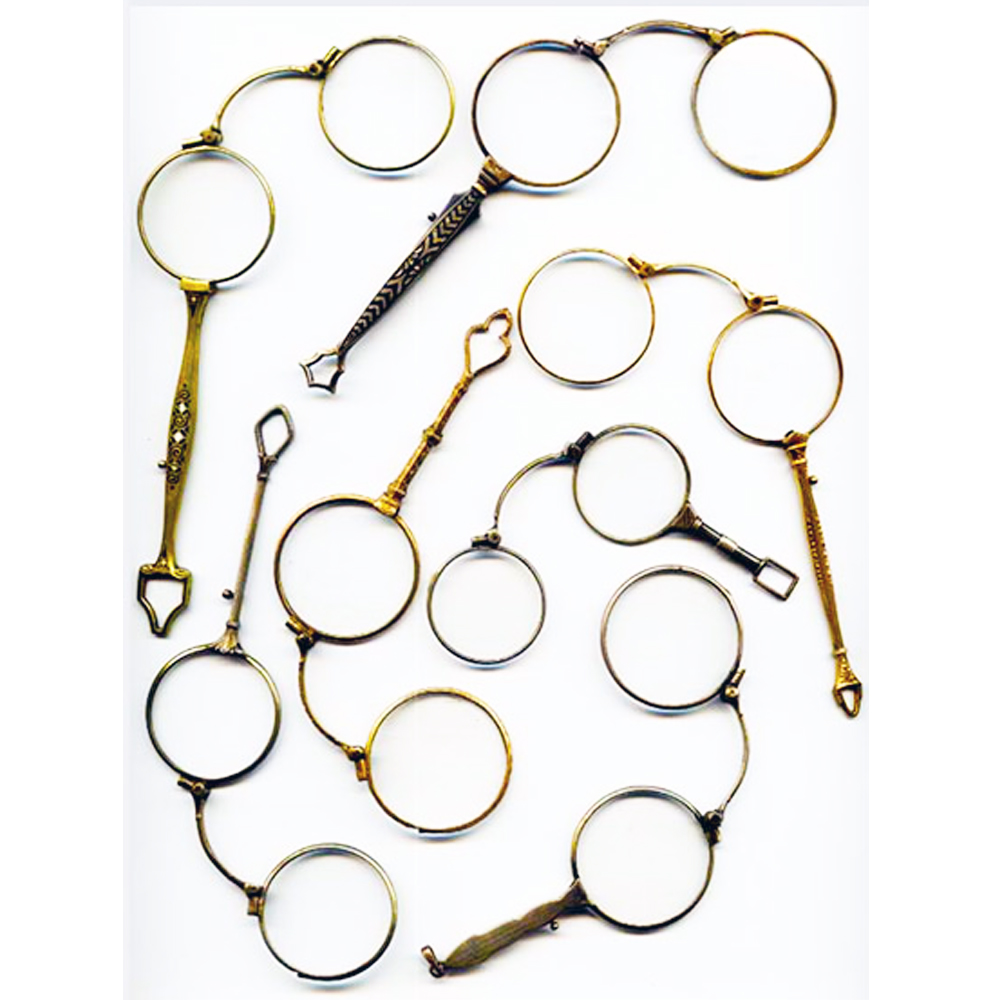
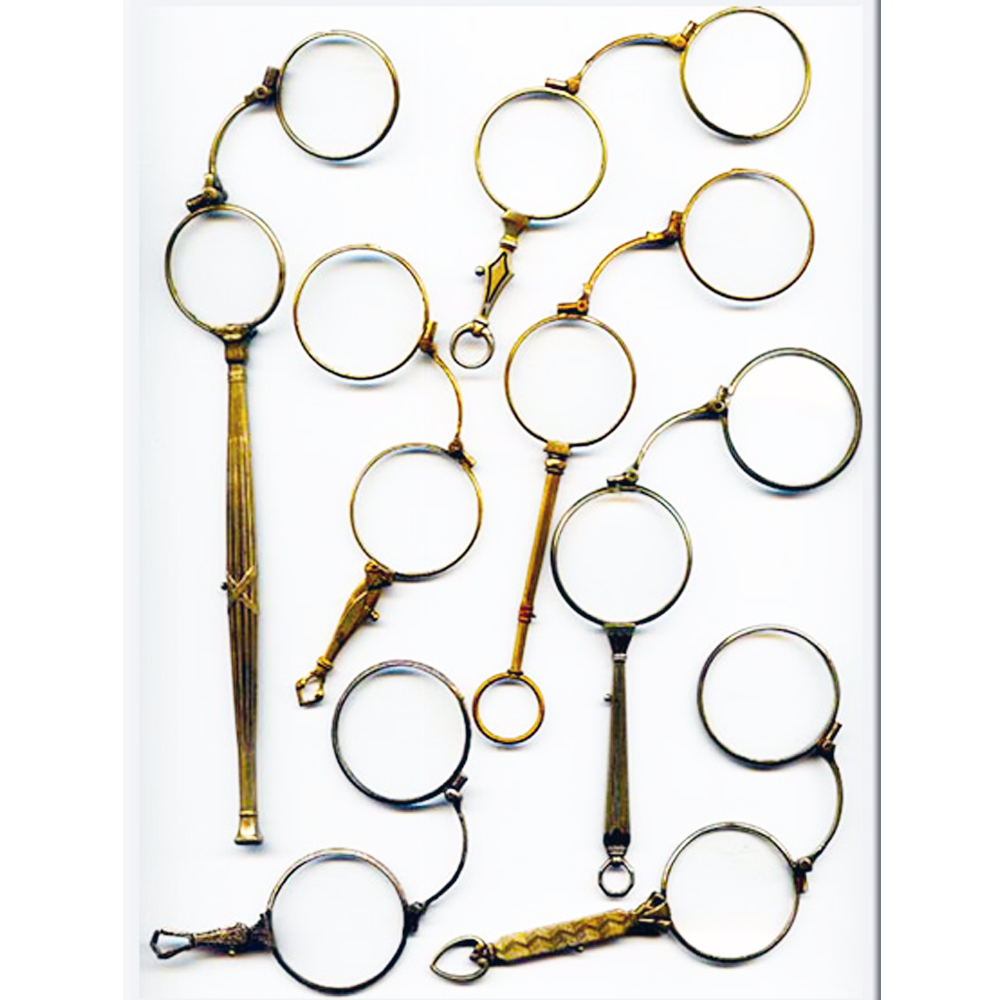
This antique lorgnette collection stands among the largest assemblages of its kind in the world. It comprises 368 individual lorgnettes, spanning centuries of optical and social history. Each piece tells a story of elegance, necessity, and ingenuity.
What Is a Lorgnette?
A lorgnette is a pair of spectacles mounted on a handle. The wearer holds them up to the eyes rather than fitting them over the ears or nose. The word derives from the French lorgner, meaning to take a sidelong look at, and the Middle French lorgne, meaning squinting. From their earliest appearances, lorgnettes carried a dual identity — functional vision aid and fashionable social instrument.
A Symbol of Social Status
Throughout the 18th and 19th centuries, lorgnettes became essential accessories for the European elite. Opera houses, ballrooms, and court gatherings all provided stages for their theatrical use. Holding a lorgnette conveyed authority, refinement, and a certain studied detachment. Aristocrats and socialites wielded them as much for effect as for vision correction.
Extraordinary Variety in One Collection
This collection showcases the remarkable diversity of lorgnette design. Handles appear in brass, silver, tortoiseshell, bone, and gilded metal. Some fold neatly for pocket storage. Others feature ornate engravings and decorative flourishes that reflect the artistic tastes of their eras. Styles range from simple single-lens quizzing glass forms to elaborate double-lens folding designs. Every piece rewards close examination.
A Rare Museum-Worthy Display
Few private or institutional collections rival this one in scale or breadth. Collectors, historians, and optical enthusiasts will find unmatched reference material here. The collection documents the evolution of personal optics across multiple centuries and cultures. It belongs in the company of the world’s finest optical museums. Learn more history of the lorgnette at the Victoria and Albert Museum.
Condition and Provenance
Each lorgnette in this collection has been carefully preserved. The range of styles, materials, and manufacturing periods represented makes this an extraordinary research and display resource. Pieces span European and American origins, reflecting the global spread of lorgnette culture from its French epicenter.
See more in our antique spectacles museum collection.