
Martin’s Margins Spectacles | Antique 18th Century
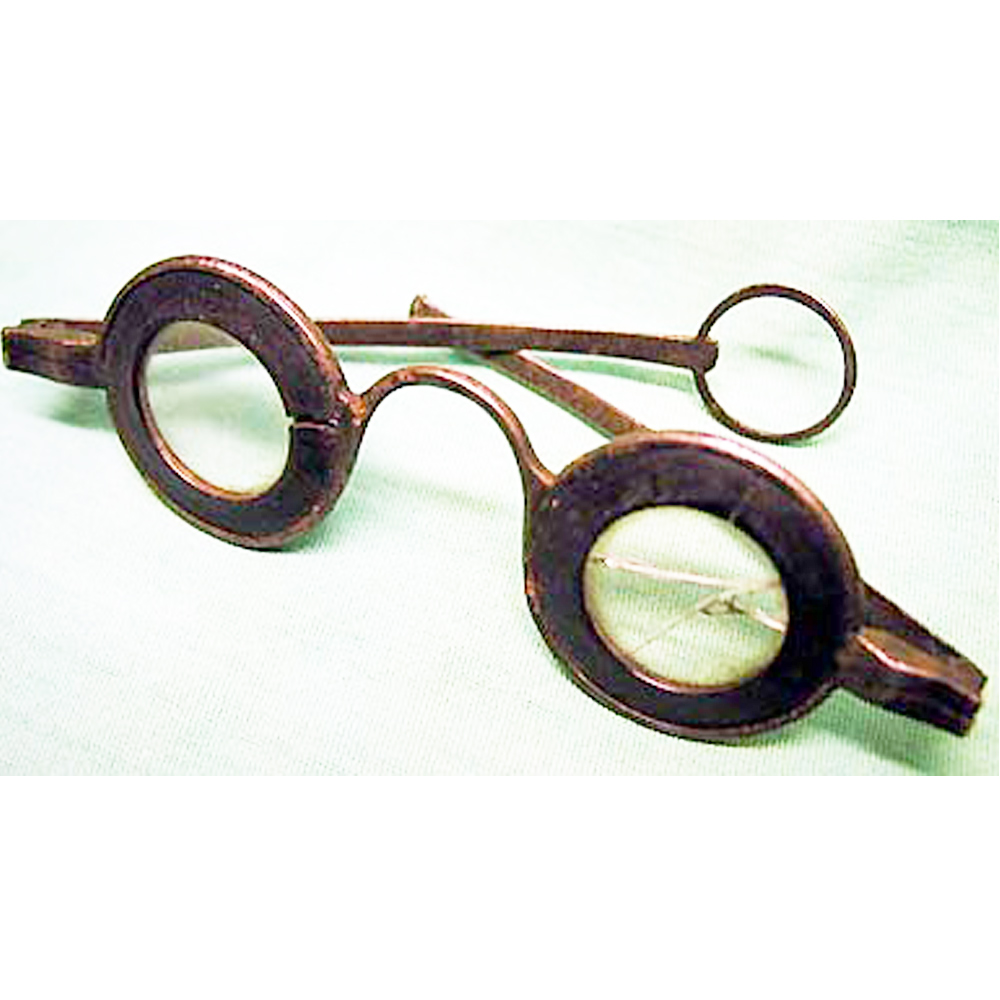

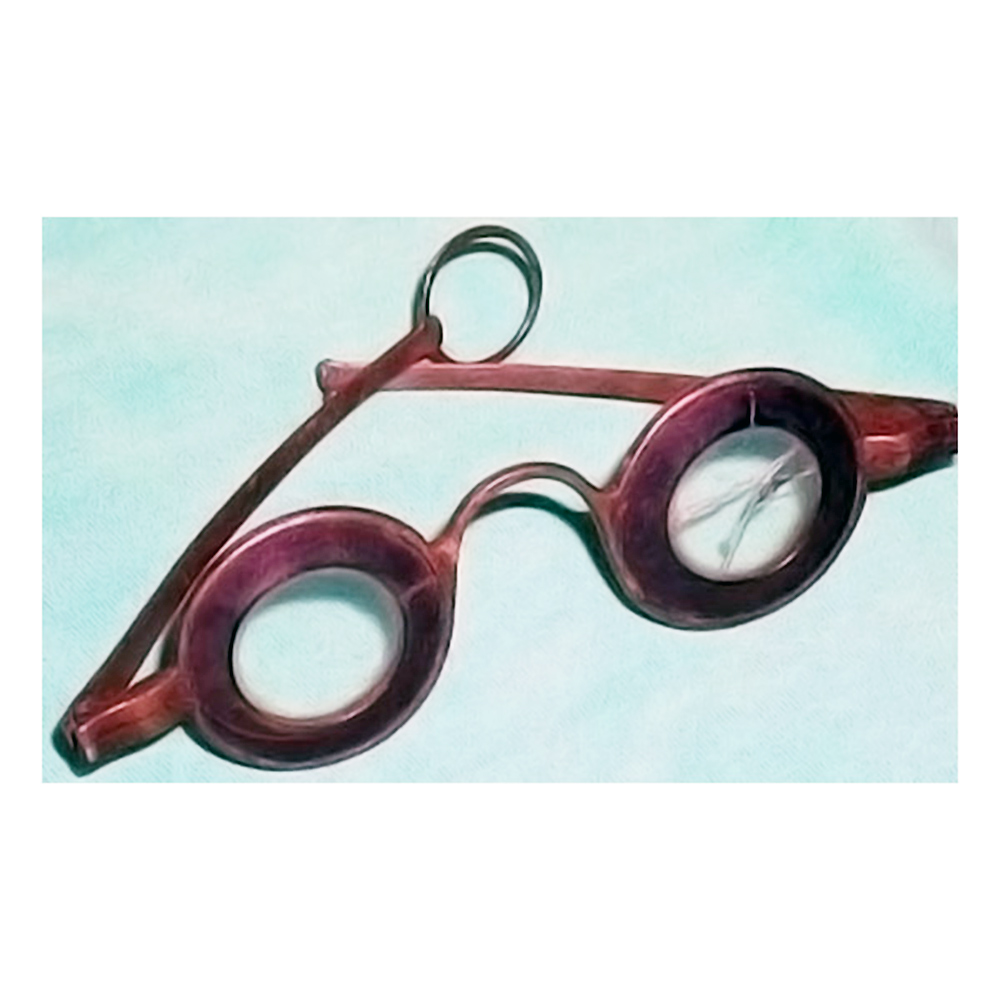
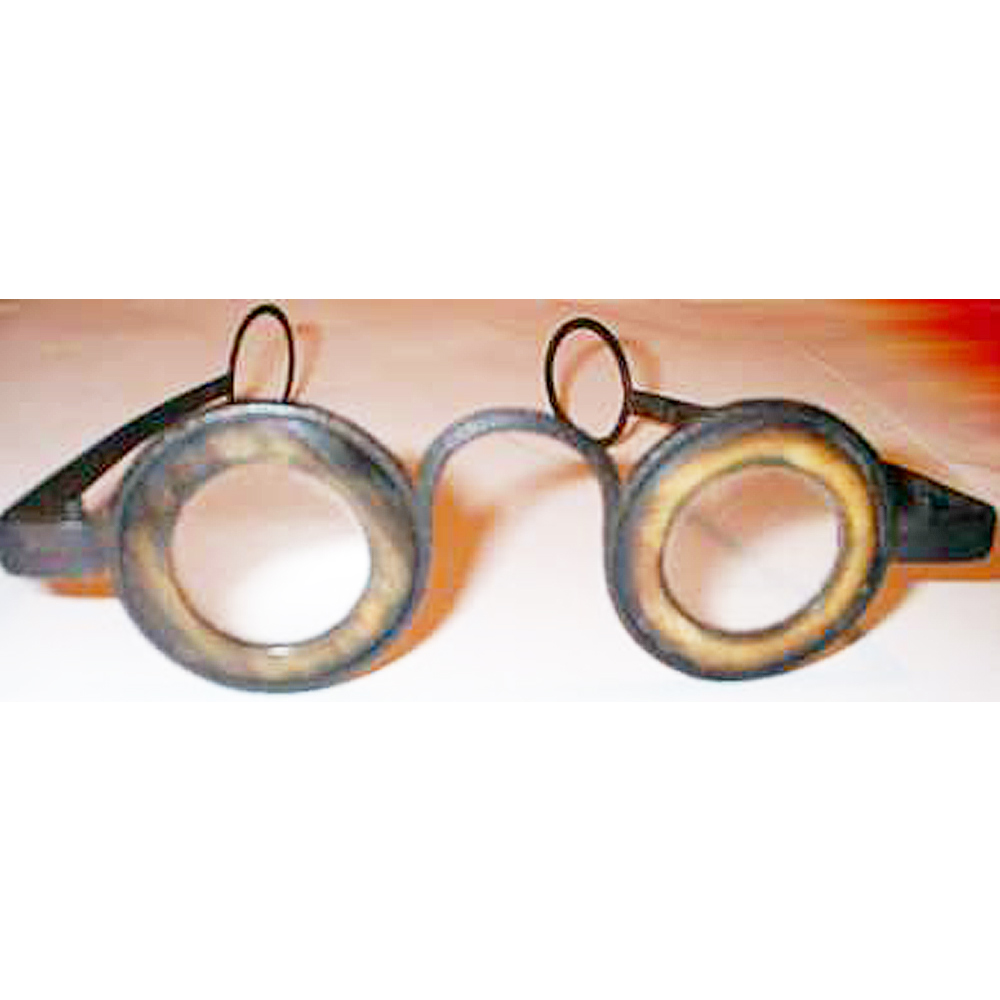
Martin’s Margins Spectacles — Mid-1700s
These Martin’s margins spectacles date from approximately the mid-18th century and survive as a remarkable example of one of history’s most distinctive eyewear designs. One lens carries the characteristic cracking of age. One temple end is missing. The frames appear to be made of steel and horn — materials entirely consistent with authentic mid-1700s production. Their survival across nearly three centuries makes them a genuinely exceptional find.
Who Was Benjamin Martin?
Benjamin Martin (1704–1782) was a London-based optician, instrument maker, and scientific writer of considerable influence. He invented the Martin’s margins style of spectacles and became one of the most prominent optical retailers of Georgian England. Martin operated from Fleet Street and supplied spectacles to a scientifically curious and fashion-conscious clientele. His shop attracted natural philosophers, gentlemen, and professionals seeking the finest optical goods available. Read about Benjamin Martin and the history of Georgian spectacles at the College of Optometrists.
The Design That Defined an Era
The Martin’s margins design features a C-shaped bridge and distinctive circular lens rims with margins — raised rims of cattle horn or similar material surrounding the lens edges. This construction served both a structural and optical purpose. The historian J.W. Rosenthal observed that the lenses, whether pebble or glass, consistently show axes pointed inward. This converging axis aimed the optical centers toward the normal reading distance, reflecting a sophisticated understanding of visual ergonomics for its time.
Materials and Manufacture
Standard production examples used iron or steel frames with cattle horn margins. Luxury versions substituted silver for the frame and tortoiseshell for the margins. This pair falls into the working-grade category, built for durability rather than display. The steel and horn construction is honest and purposeful — the optical tools of a practical Georgian wearer.
A Widely Copied Classic
The Martin’s margins pattern spread rapidly after Benjamin Martin introduced it. Pairs found today come from multiple makers across England and the Continent. The design’s longevity testifies to its functional success. Few antique spectacle forms achieved such widespread adoption or such long production runs. Visit our antique spectacles museum collection.