
Antique Steel Spectacles 1800 | C to K Bridge

Let me tighten the sentences and add more transition words throughout.
1. Product Description (revised)
A Missing Link in Spectacle History
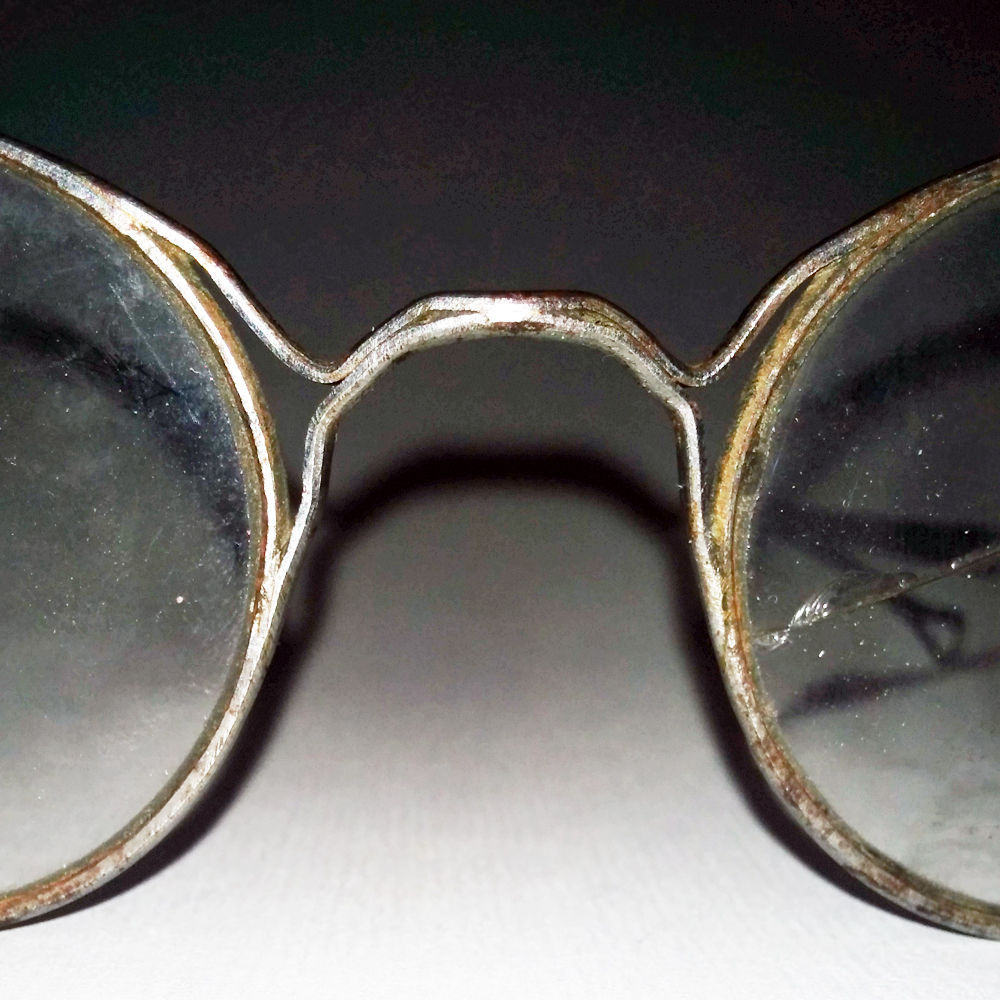
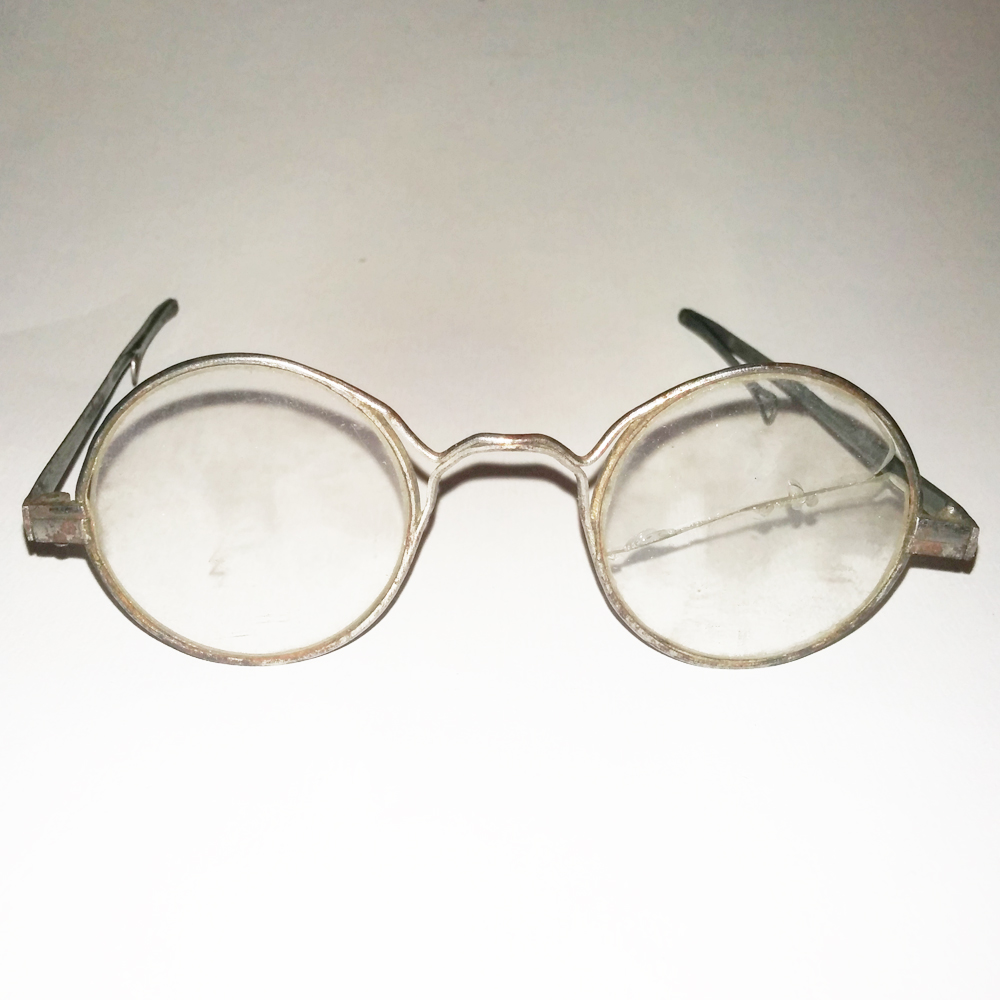
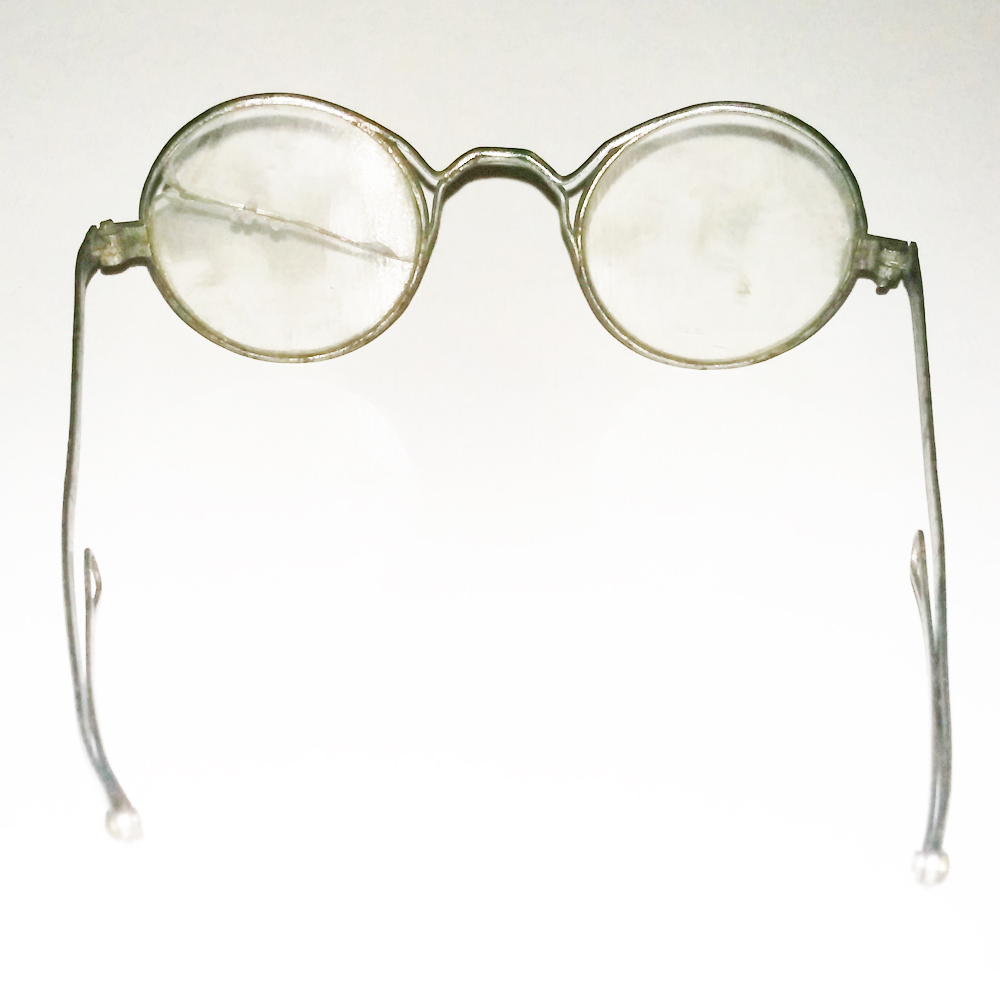
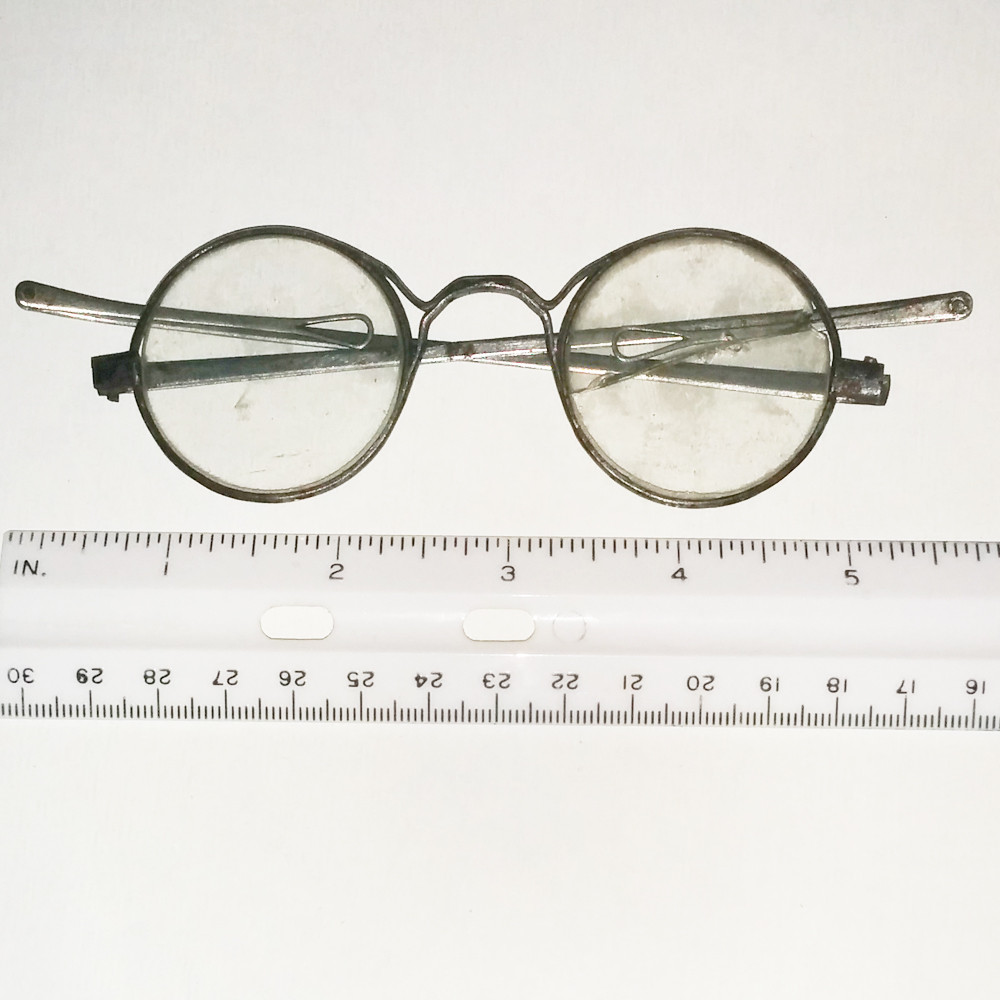
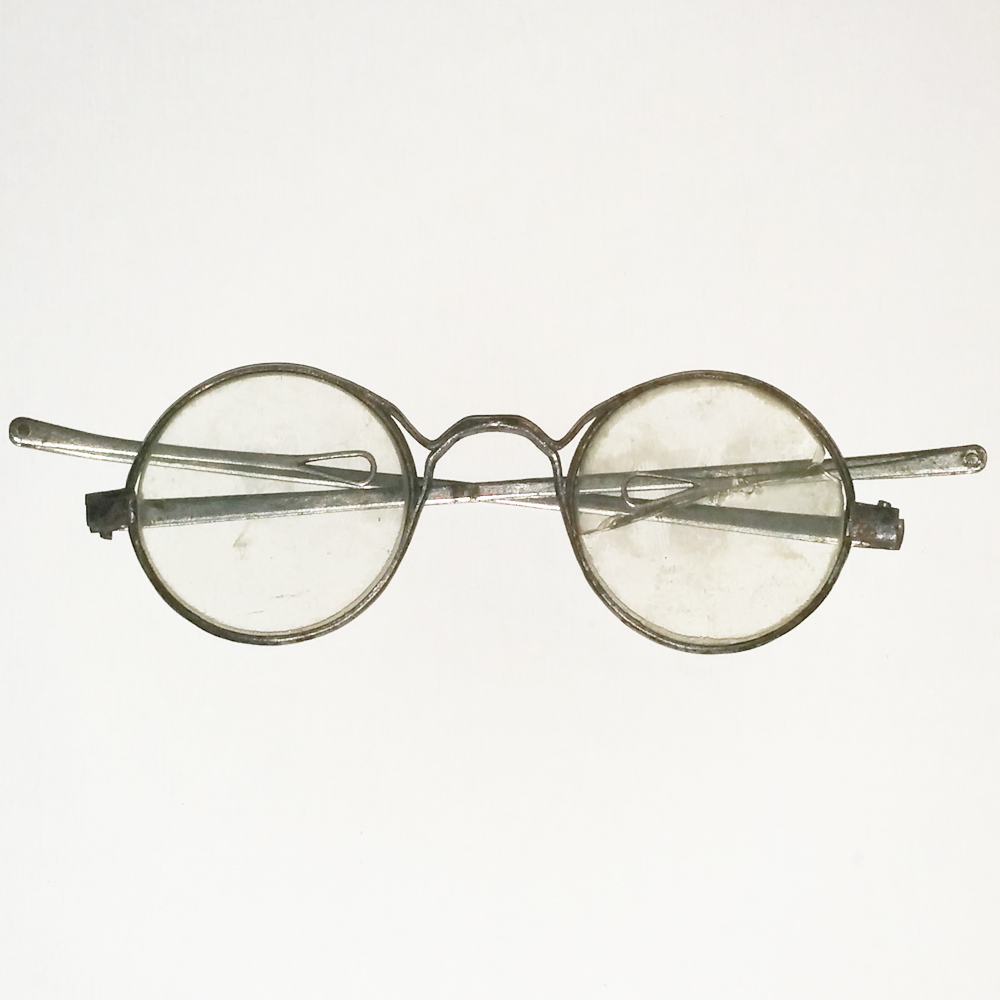
These antique steel spectacles date to around 1800. They occupy a unique place in eyewear history. Their bridge design appears to be a transitional form. It sits between two well-known nose bridge styles. Collectors call these the “C” bridge, used roughly from 1750 to 1840. They also reference the “K” bridge, common between 1810 and 1900. In fact, this pair captures a genuine “missing link” moment between the two designs. As a result, it offers a useful reference point for anyone studying how spectacle construction evolved.
Materials and Construction
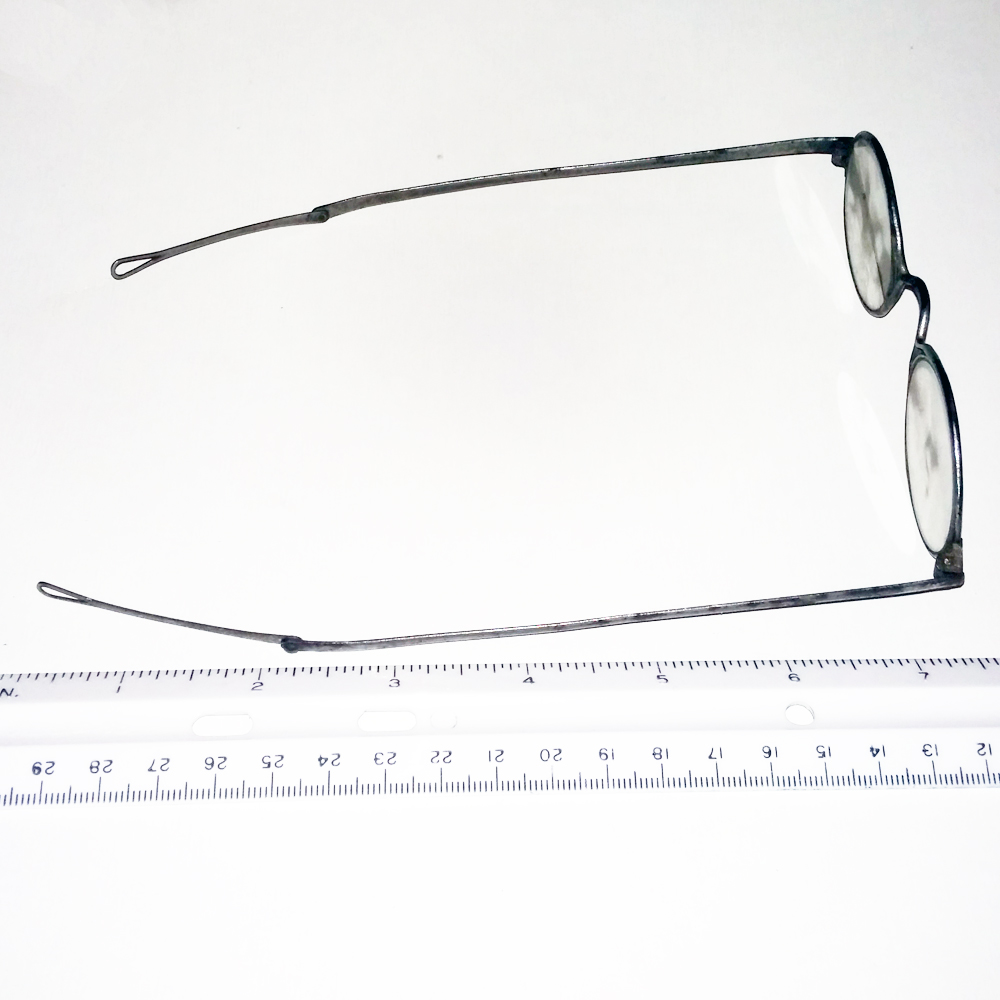
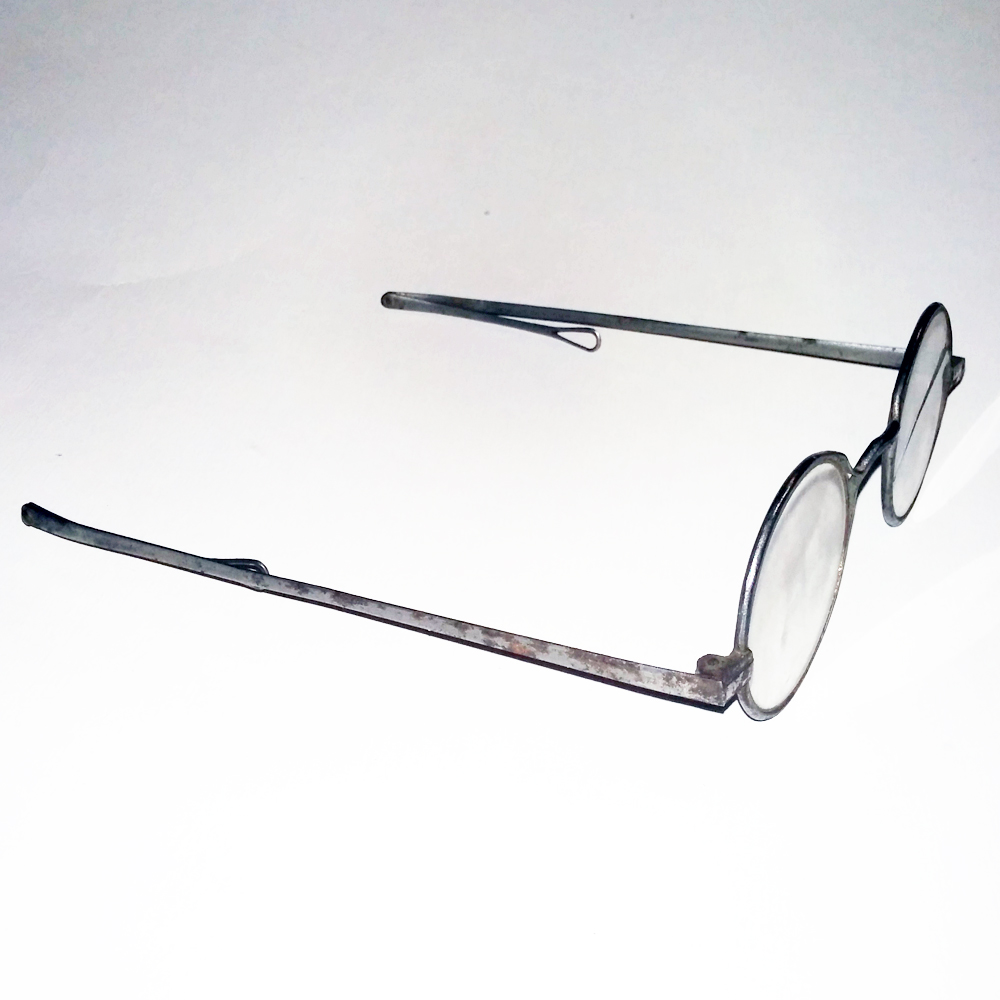
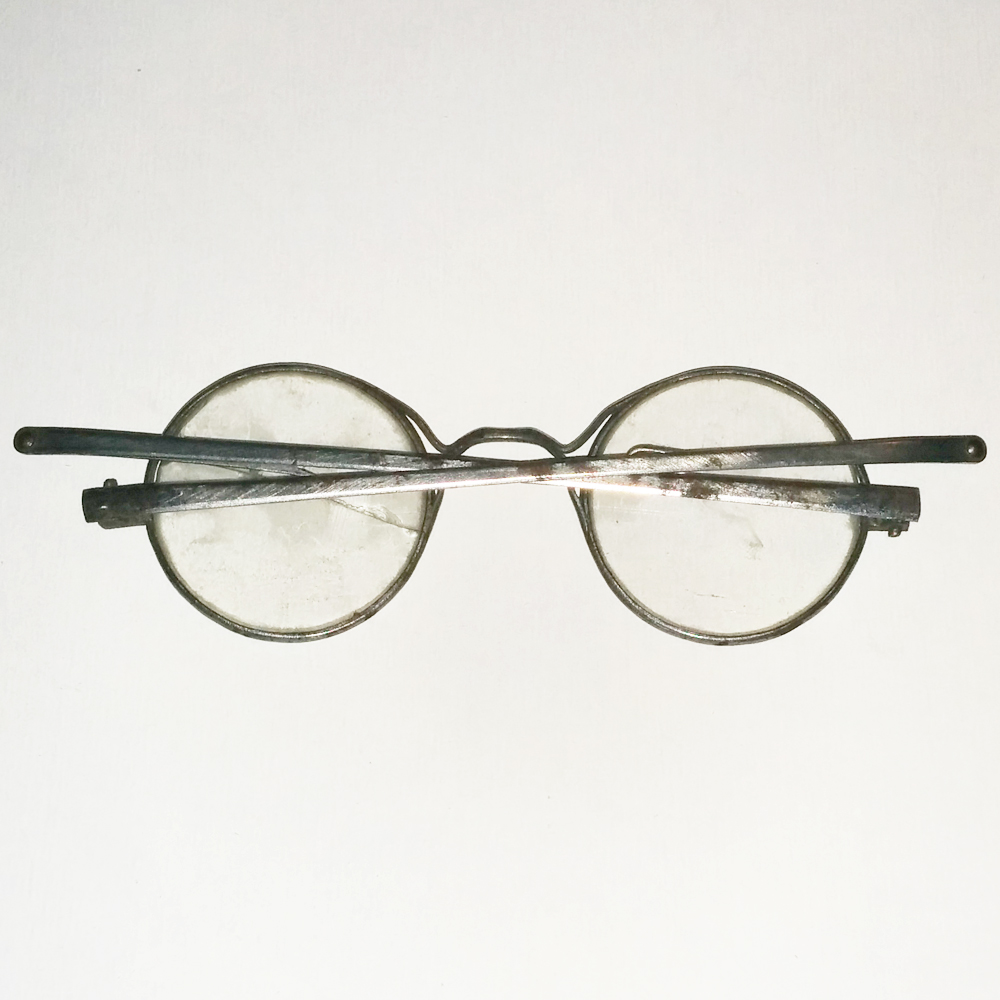
This pair is made entirely of steel. It features two plano lenses, meaning the glass carries no corrective power. Steel frames were common through much of the early nineteenth century. Later, lighter materials like gold-filled metal and celluloid grew more popular. Meanwhile, the frames here use turn-pin style temples, a hinge mechanism common between roughly 1770 and 1900. Overall, these steel spectacles from this transitional bridge period offer collectors a genuinely early example of eyewear construction. They predate many of the more familiar styles that appeared later in the century.
Condition Notes
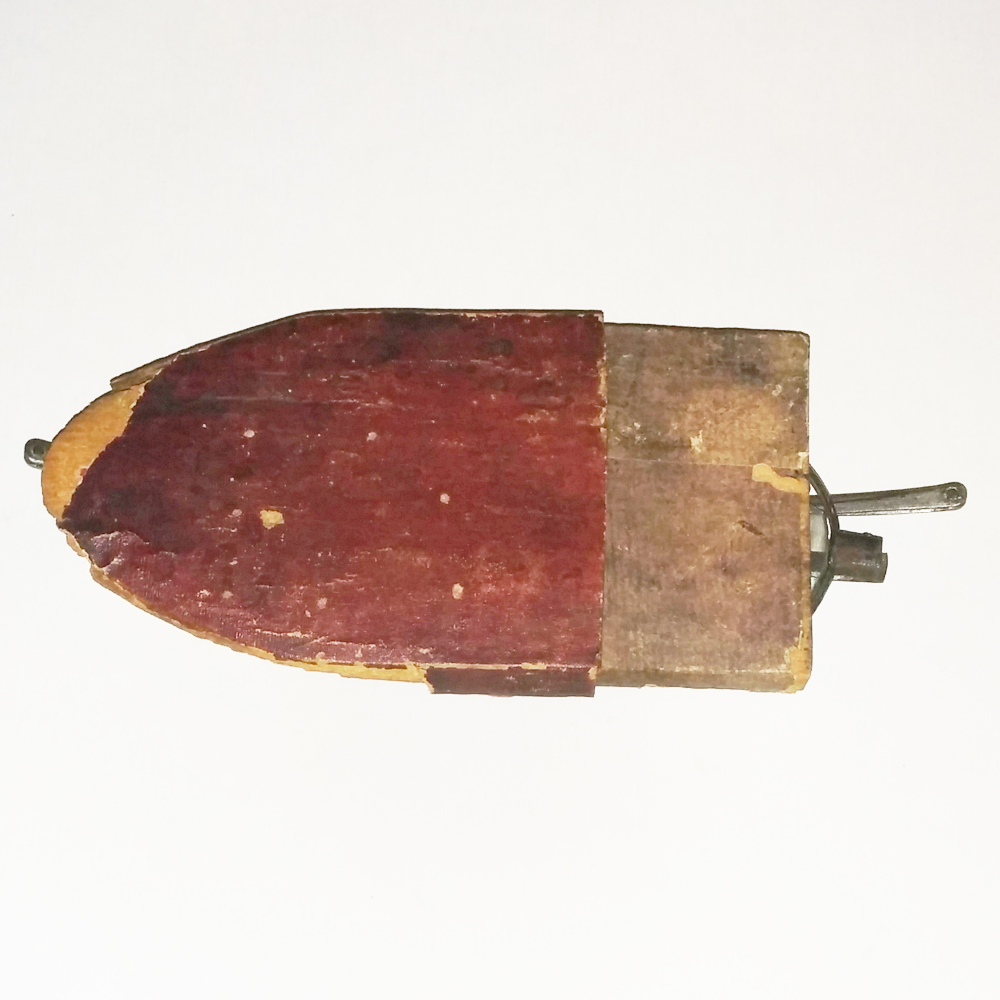
Somewhere over the past two hundred-plus years, the left lens developed a crack. It runs through the lens’s middle. However, the crack does not affect the frame’s structural integrity or its value as a study piece. The pair also comes with its original wooden case. That said, the case no longer has its lid, as shown in the accompanying images. For comparison, collectors may also want to look at our Martin’s Margins spectacles. That pair offers another early example built with a classic C-bridge design.
A Piece for Serious Collectors
Steel spectacles this early rarely survive with their original case intact. Therefore, this pair offers collectors and historians a tangible example of how eyeglass design shifted gradually rather than in sudden, clean breaks between styles. Ultimately, it rewards close study of bridge shape, temple mechanism, and construction detail.