
Silver Rectangular Readers 1830 | Antique
A Rectangular Take on a Classic Style
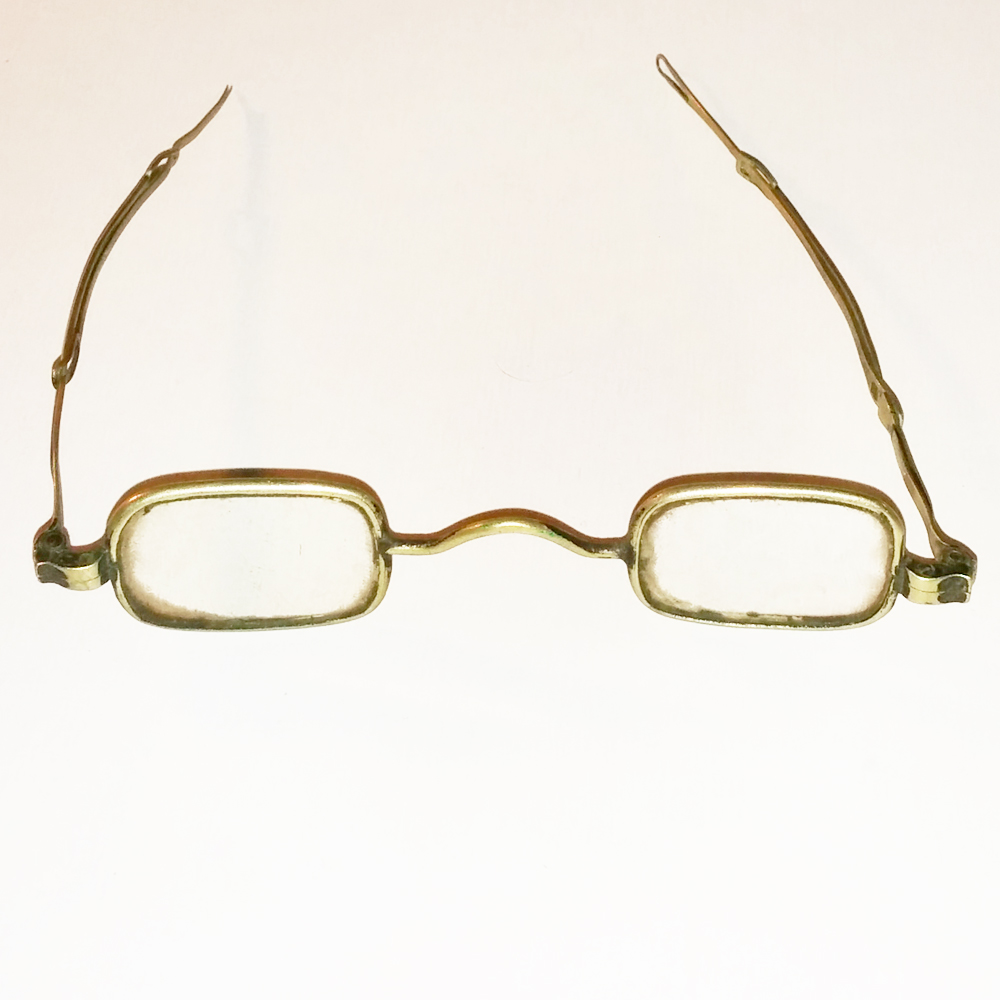
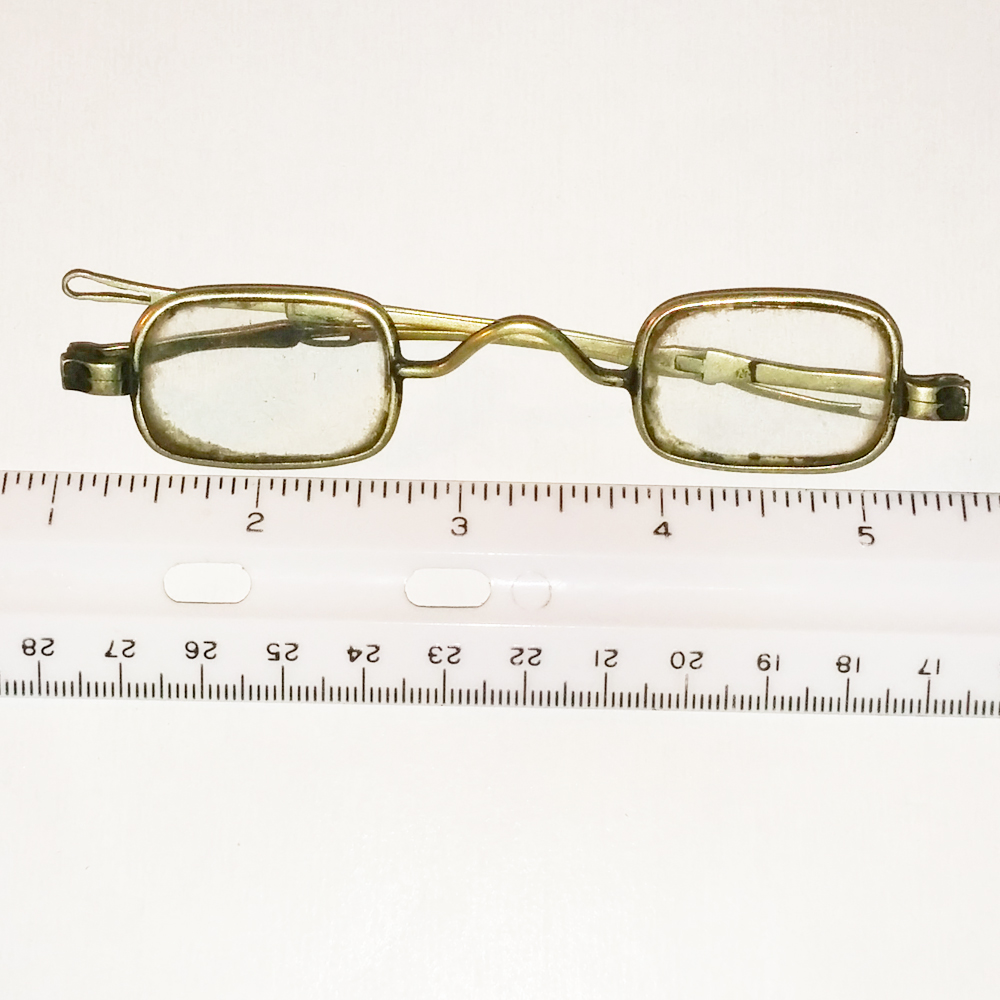
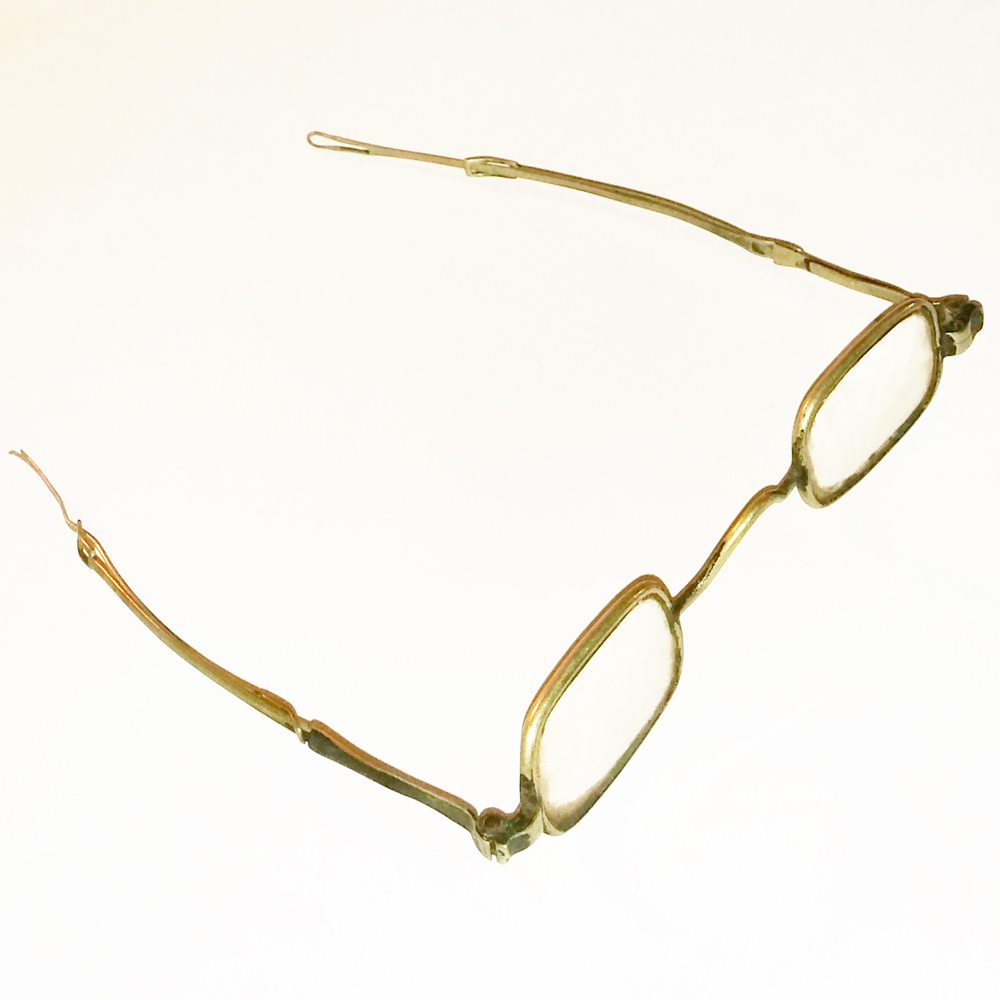
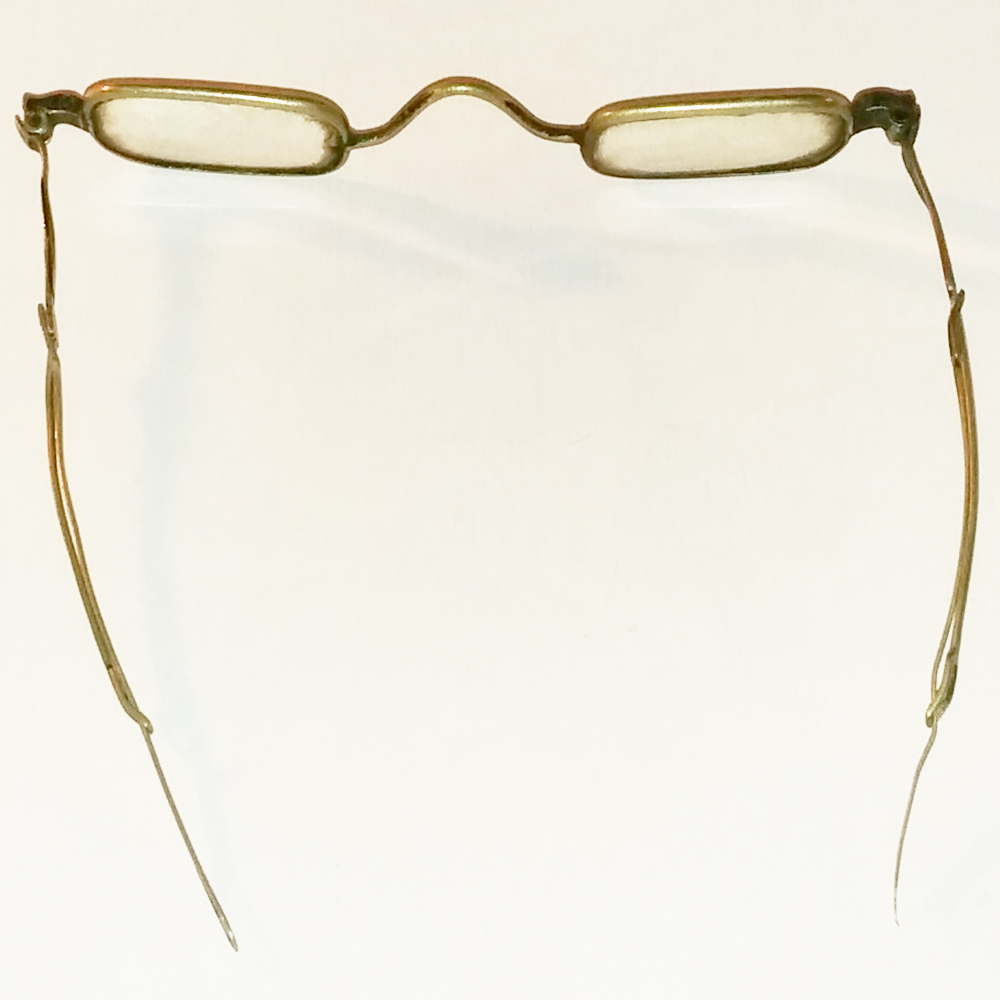
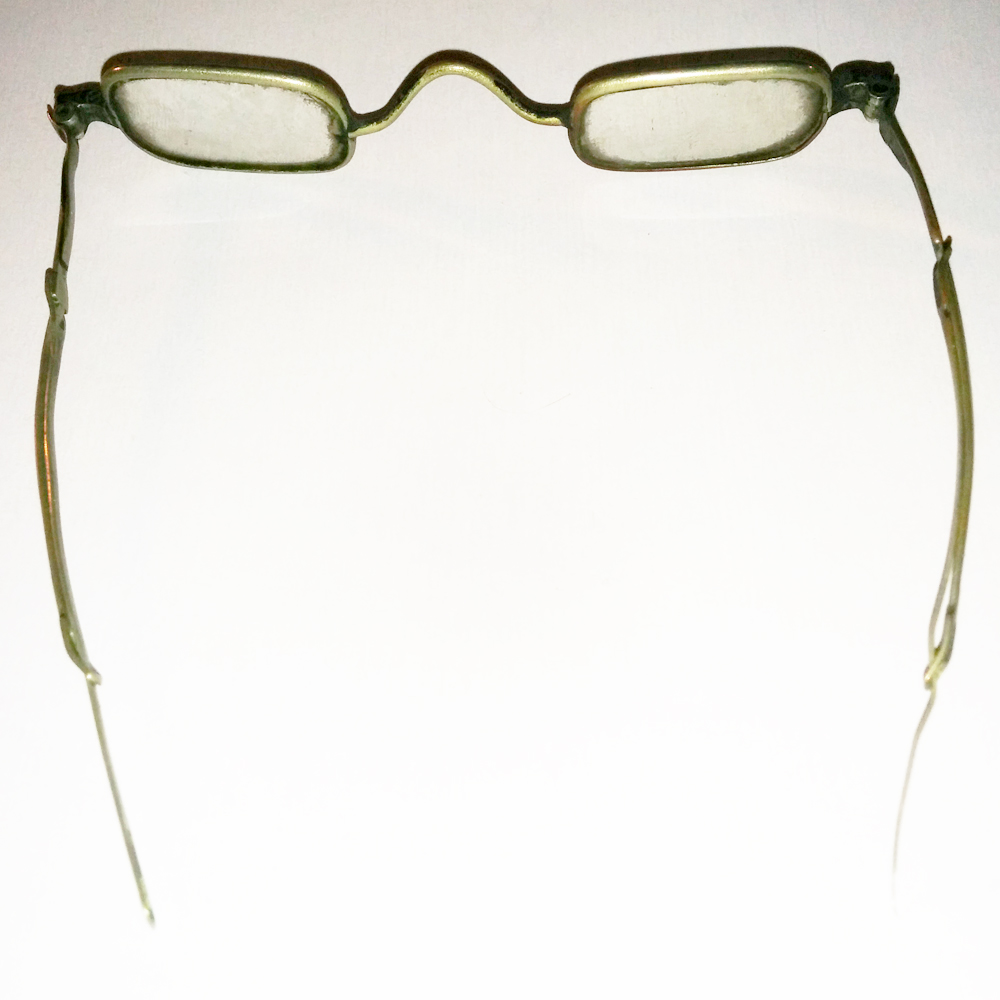
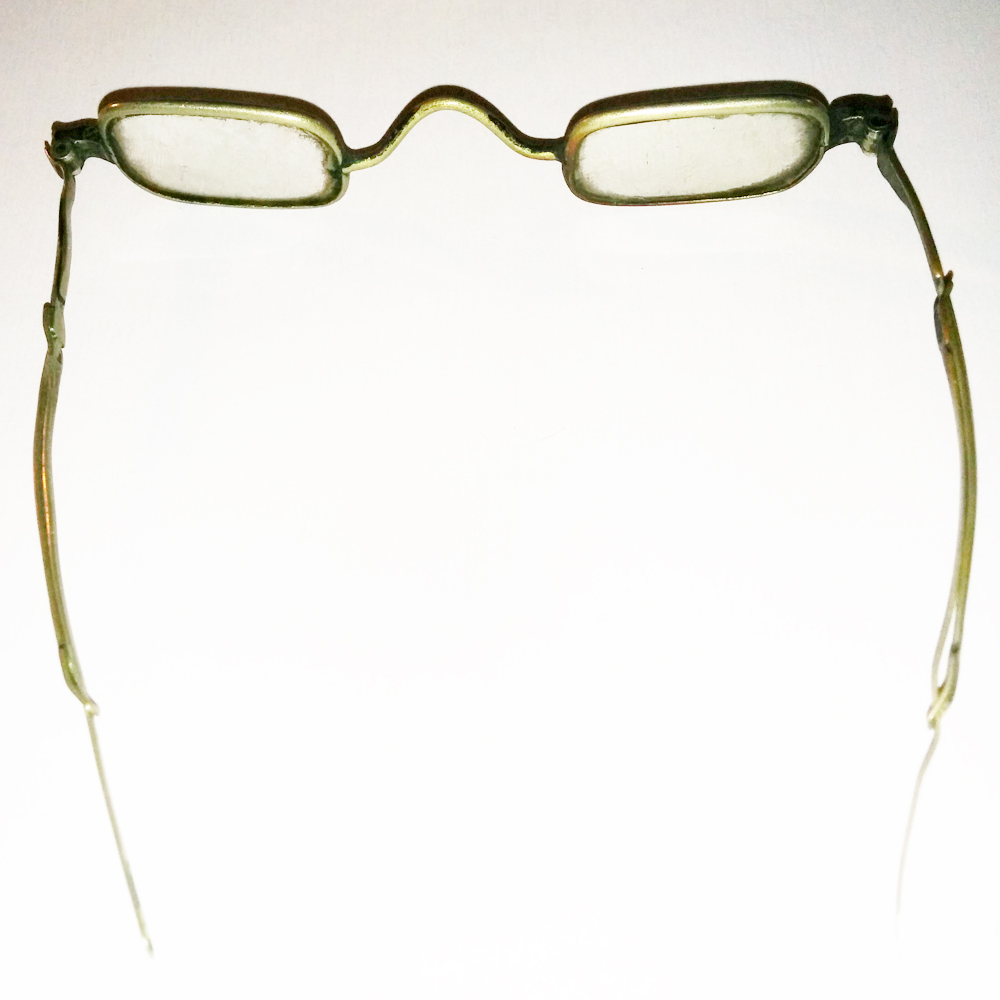
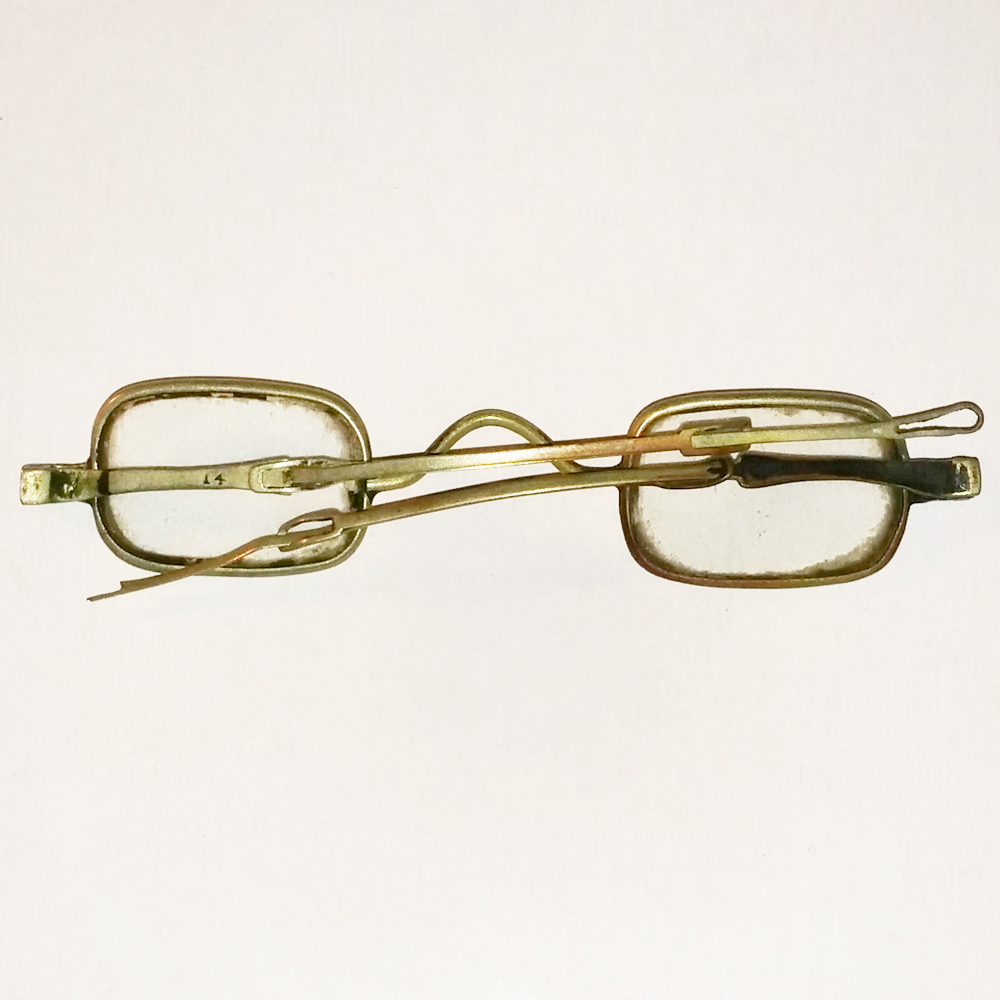
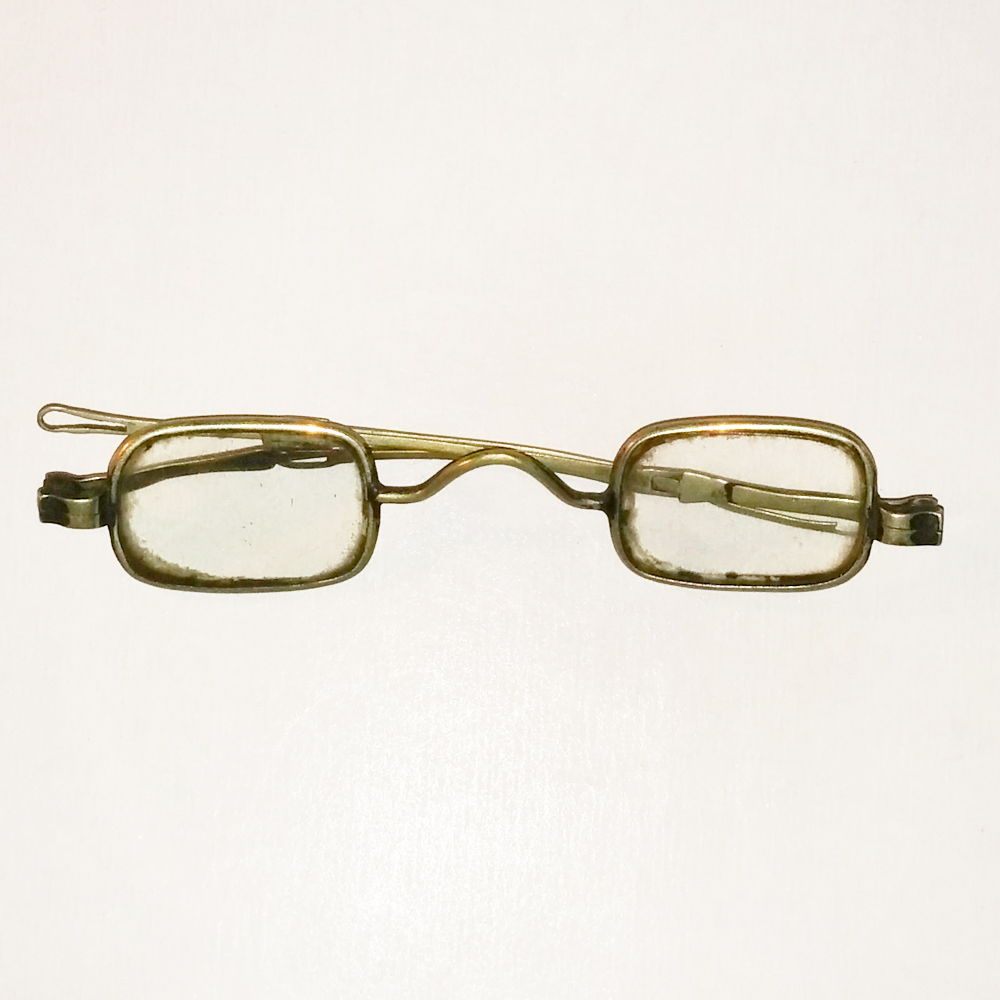
These silver rectangular readers date to the beginning of the 1800s. They survive in good condition for glasses nearing two hundred years old. The frames carry the typical “crank” style bridge of the era, paired with a distinctive rectangular lens shape. Silver rectangular readers like these are less common than their round or octagonal counterparts, making this a particularly interesting piece for collectors focused on lens shape variety.
Sliding Temples With a Notable Repair
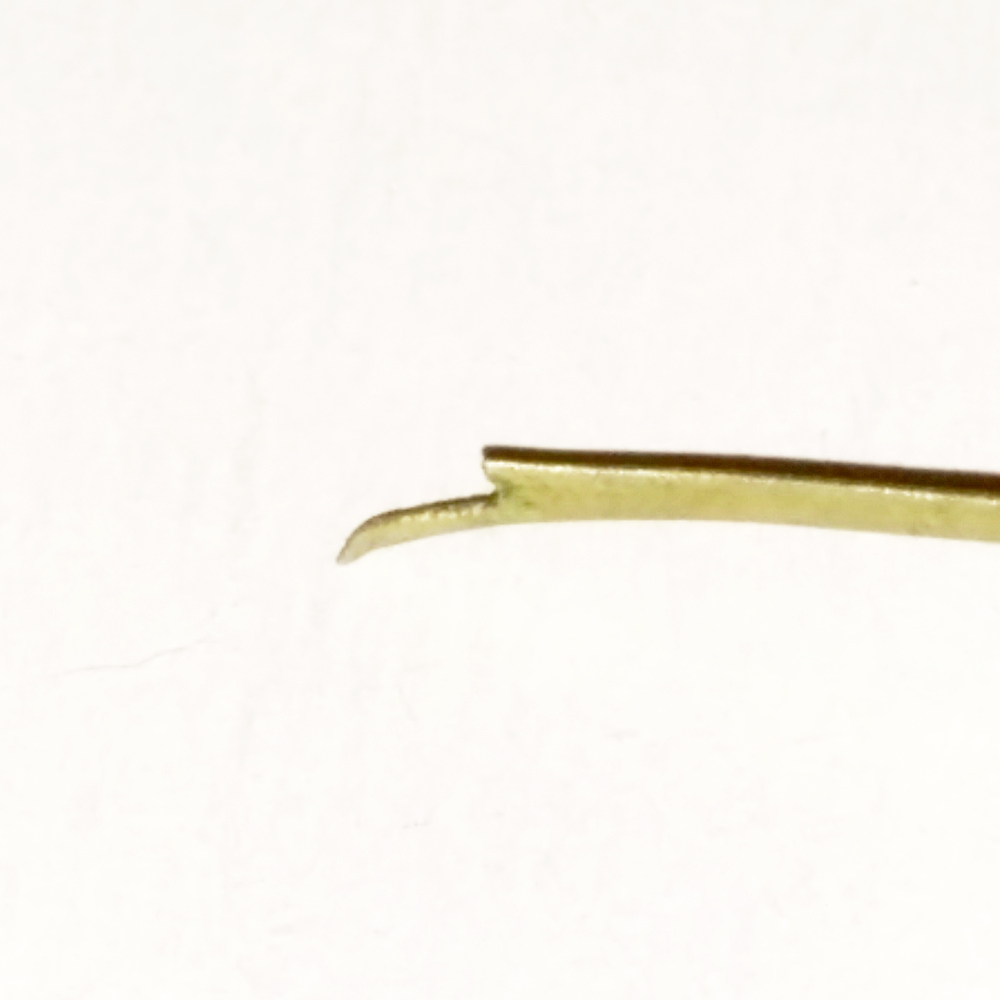
The temples on this pair are the narrow, sliding type. They end in “tear-shaped” loops on one end, a common design that let wearers adjust the fit before hinged mechanisms became standard. The right temple’s loop has broken at the end, a condition issue worth noting for anyone considering restoration. You can read more about the history of eyeglasses and how temple designs evolved through the nineteenth century.
Strong Reading Power for Close Work
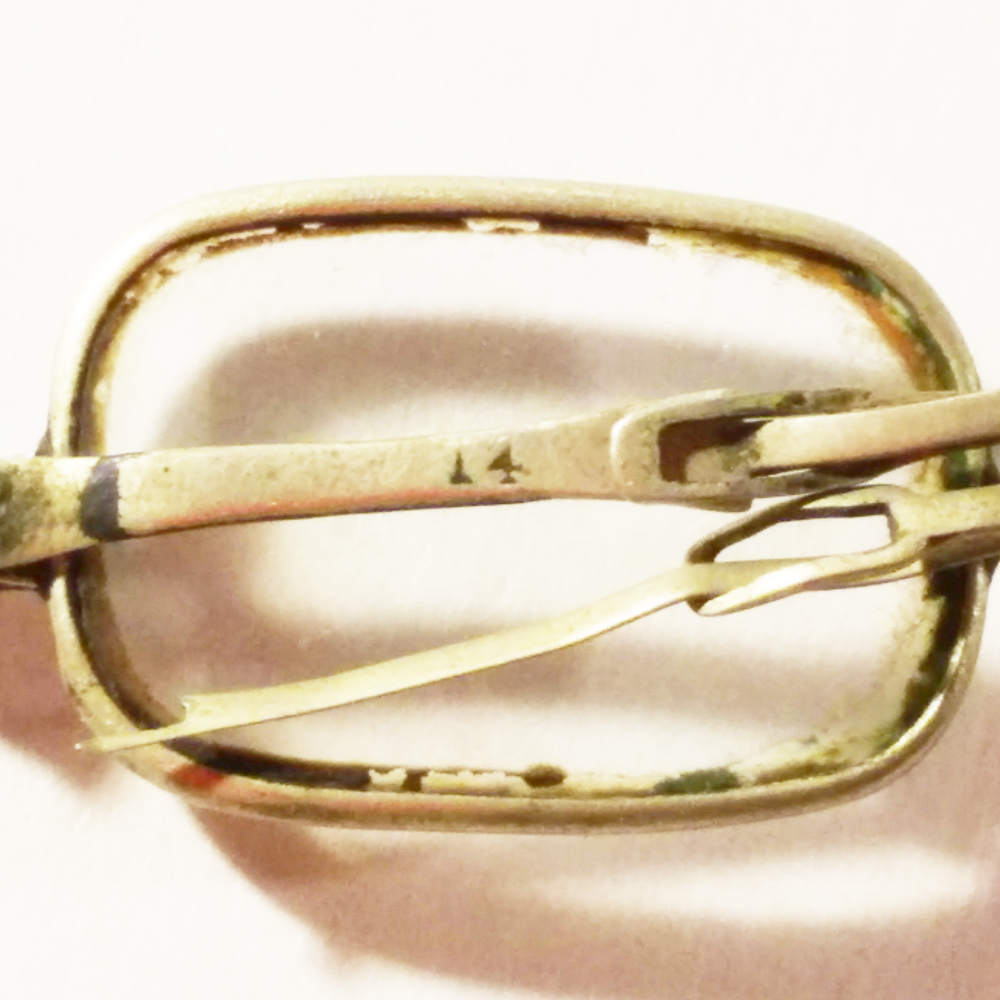
The left temple carries the mark “14” near the hinge. Opticians of the era sold glasses this way, specifying focal length rather than modern diopter power. This number indicates a focal length of fourteen inches for both lenses. In today’s dioptric terms, that translates to roughly a +2.75 reader. A plus two and three-quarter diopter reading glass suits many people over sixty years old. It also appeals to hobbyists of any age examining stamps, coins, or miniature models. Collectors building out a set by lens shape may also want our silver octagonal readers and silver oval reading spectacles, both from the same period.
A Distinctive Addition for Collectors
Silver rectangular readers with this strength of correction served wearers with genuine visual needs, not merely fashion. The rectangular lens shape, combined with strong reading power, makes this piece a distinctive study example. It rewards collectors interested in the full range of lens shapes produced during the early nineteenth century.