
Antique Metal Optometer | c. 1875 Brass Instrument
Antique Metal Optometer — c. 1875
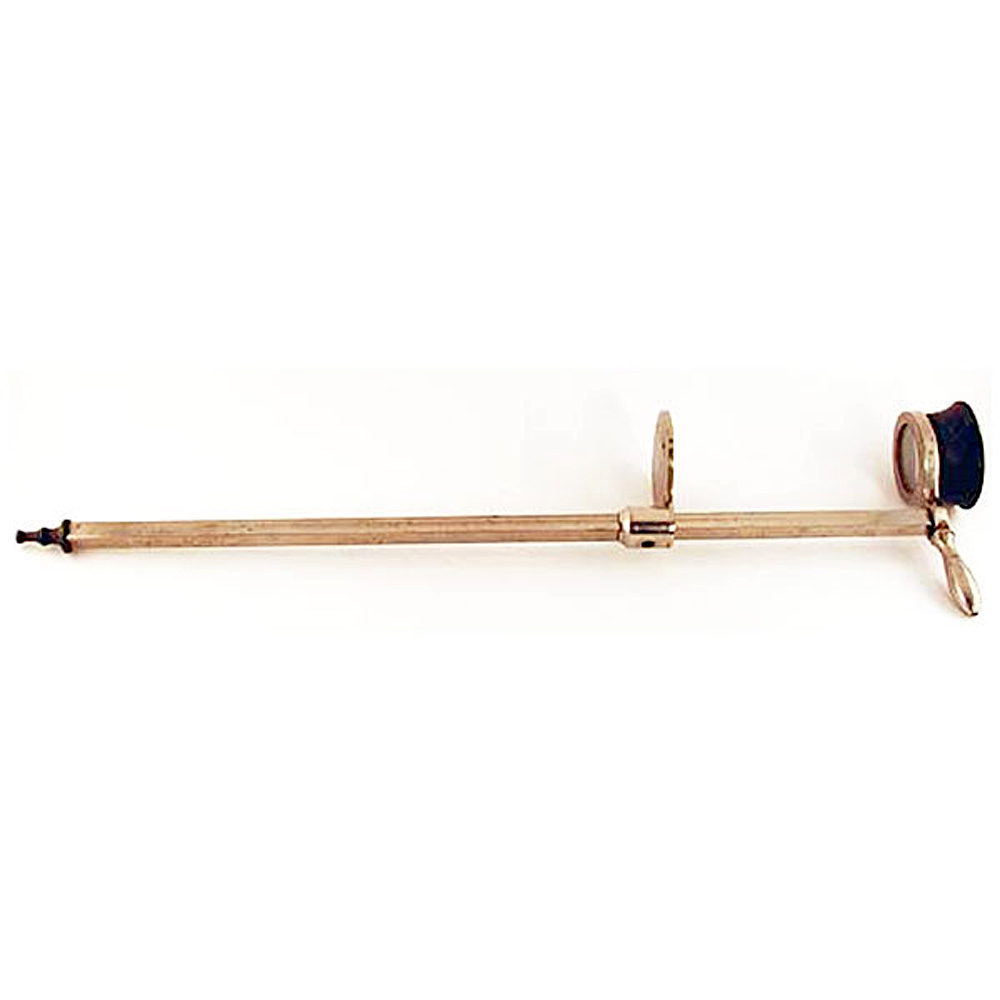
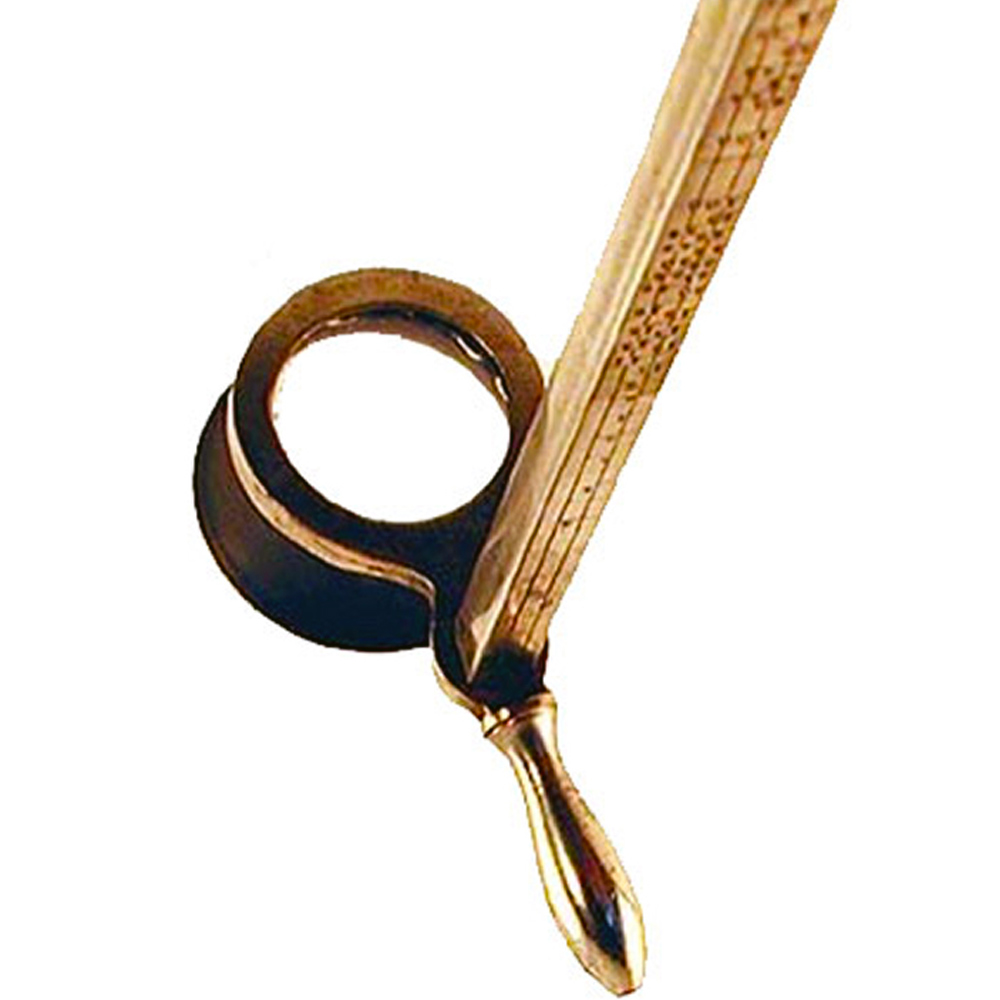
This antique metal optometer is a nickel-plated, brass and steel instrument patented around 1875. It originally sold for 75 cents — a modest price for a device that promised to determine the lens power a person would need. Slim, elegant, and purposeful, it represents an early consumer-facing approach to vision measurement at a time when optometry was still finding its clinical footing. Read about the history of optometers and early refraction instruments at the College of Optometrists.
How It Works
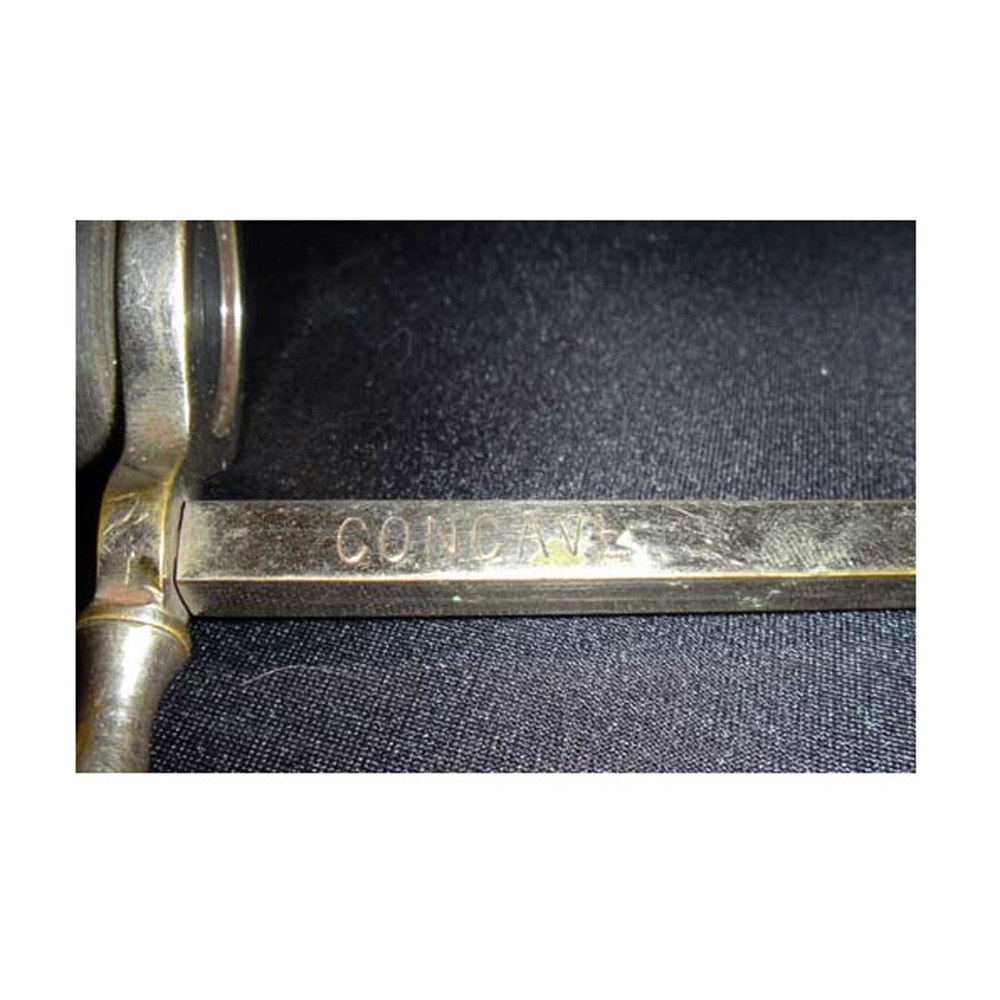
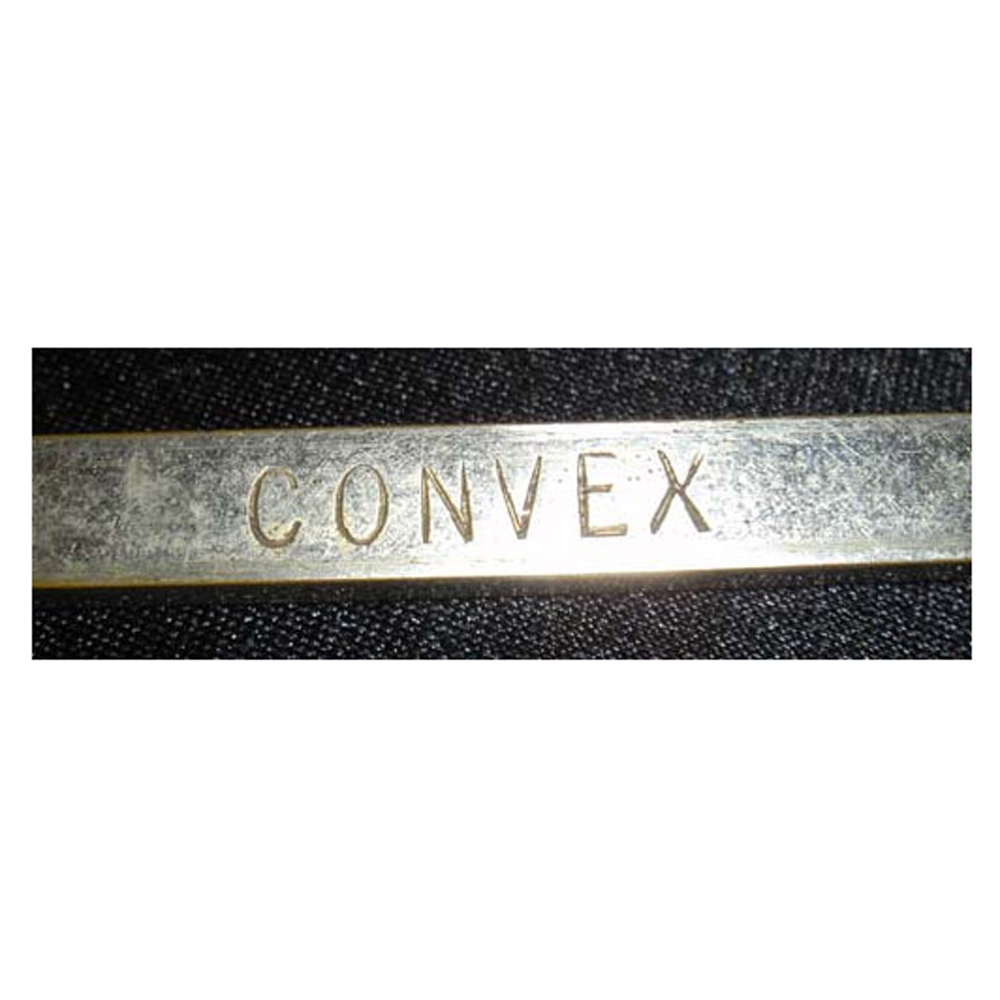
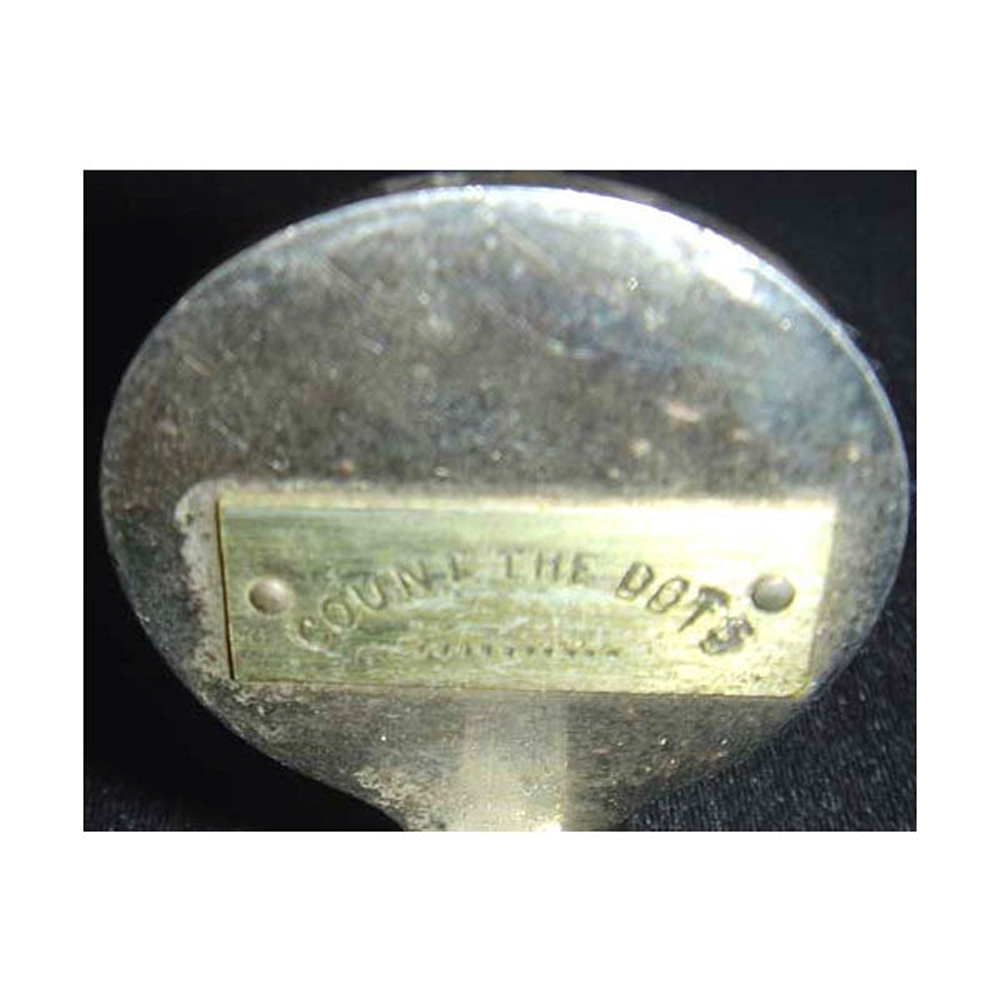
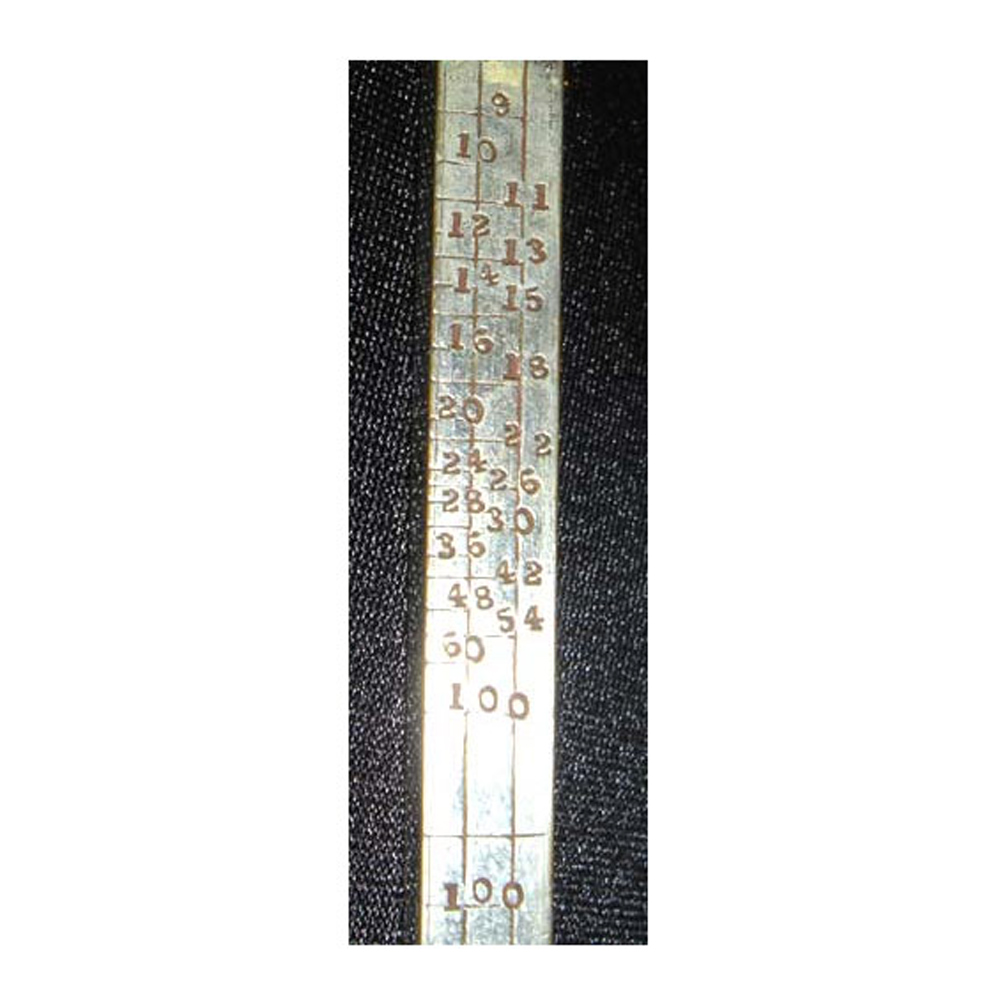
The instrument operates on a simple but ingenious principle. The main bar carries etched markings for both concave and convex corrections. A sliding disc moves along the bar. That disc features embossed dots with the instruction: “Count the dots.” The patient counts the dots as the disc slides along the scale. The point at which the dots become legible indicates the approximate lens power required. The result gives a rough measure of the eye’s refractive error.
The Accommodation Problem
This type of optometer carried a significant clinical limitation. It did not control for accommodation — the muscular contraction inside the eye that occurs when focusing on near objects. Without controlling accommodation, the instrument could not isolate true refractive error from the eye’s natural focusing response. This limitation was well understood by ophthalmologists of the period. Despite this, such instruments served a practical purpose in the hands of spectacle sellers and early opticians working without clinical facilities.
Materials and Manufacture
The instrument is nickel-plated over brass, with steel components. The construction is clean and precise. The sliding disc moves smoothly along the main bar. The embossed dot pattern on the disc remains legible. Etched scale markings for concave and convex corrections appear clearly on the bar. The blue disc end cap adds a subtle decorative note to an otherwise utilitarian object.
A Snapshot of Victorian Vision Care
The antique metal optometer captures a fascinating moment in the history of vision correction. Before the refractor and the standardized trial lens set, instruments like this one brought rudimentary refraction within reach of ordinary people. They sold cheaply, traveled easily, and served a genuine need in an era when qualified eye care was scarce outside major cities. See our antique eye exam equipment museum collection.