
Keystone Ophthalmic Telebinocular 1934 | E.A. Betts Vision Tester
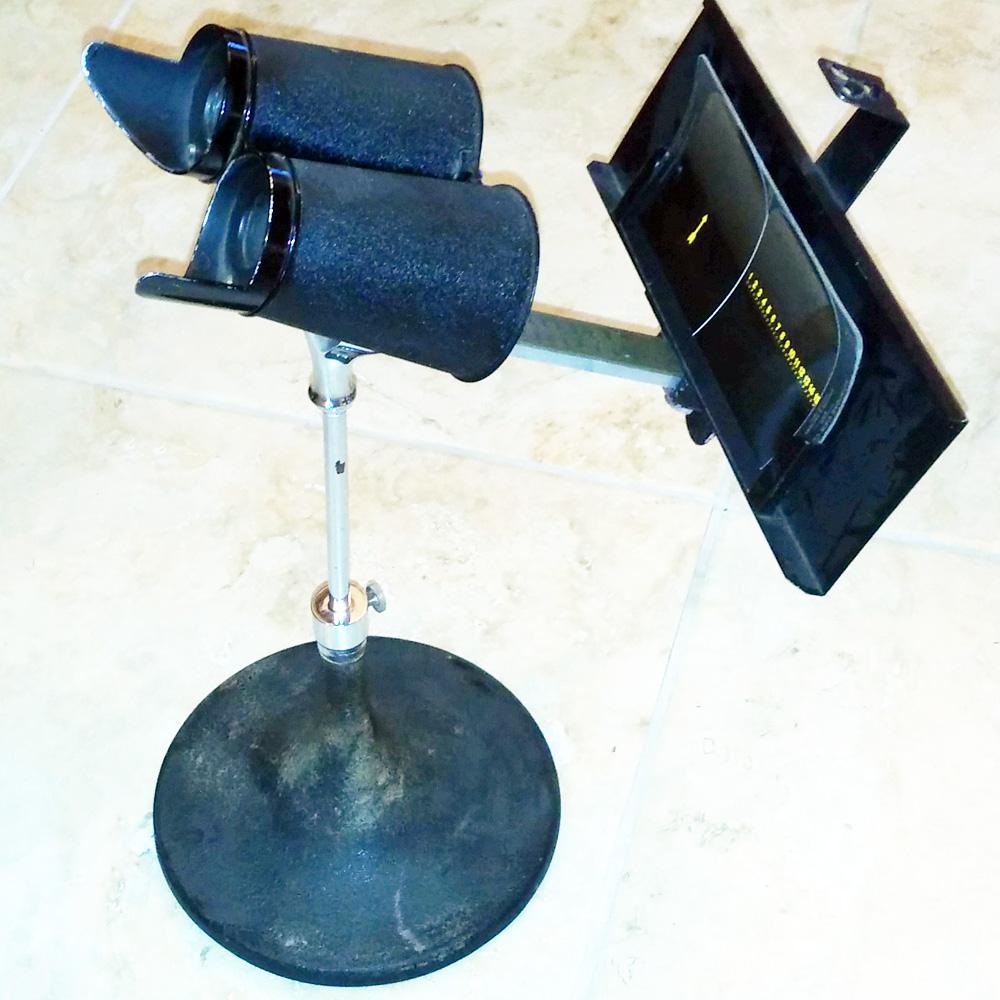
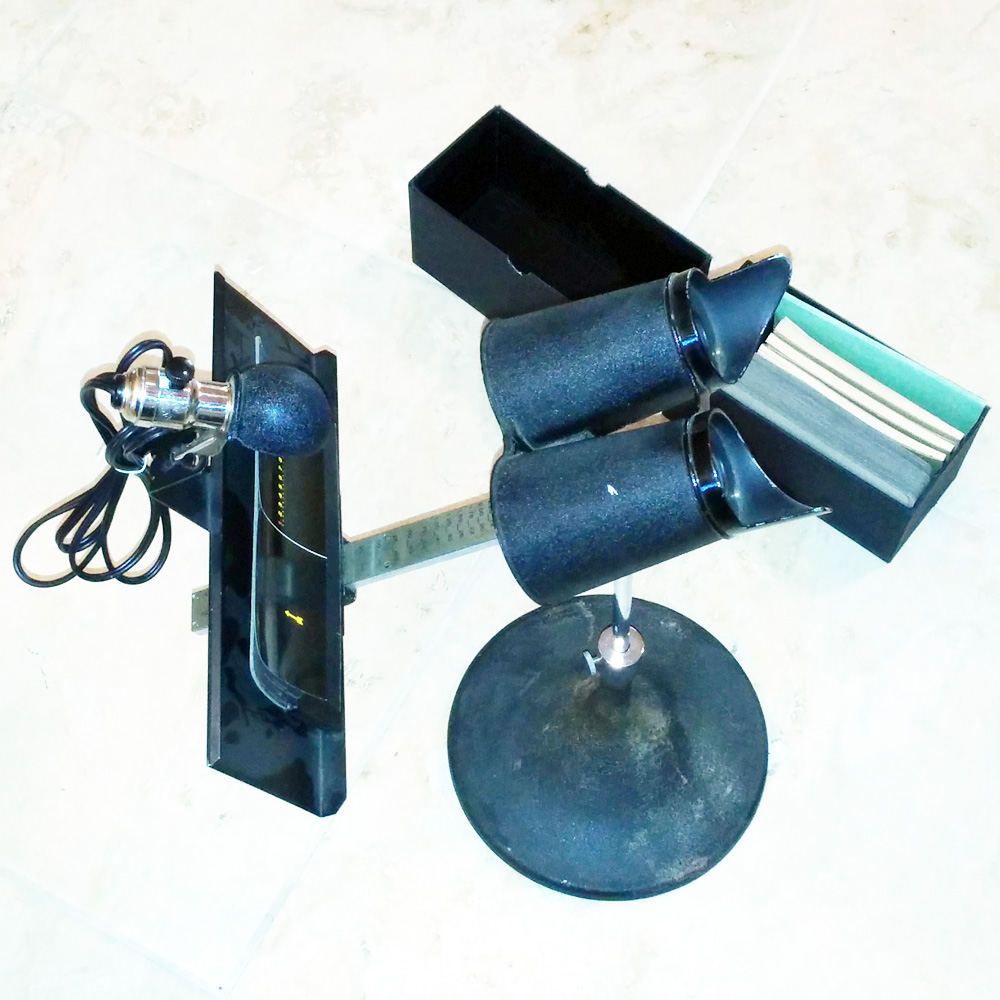
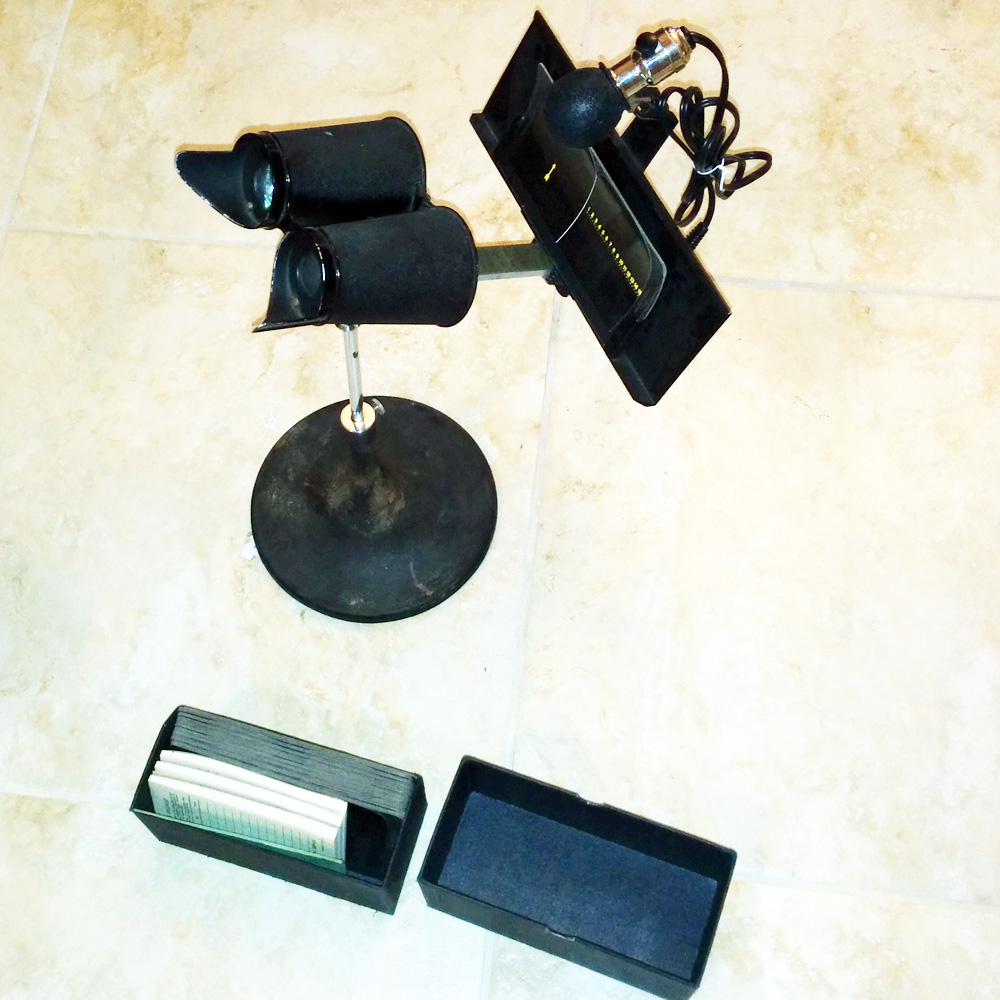
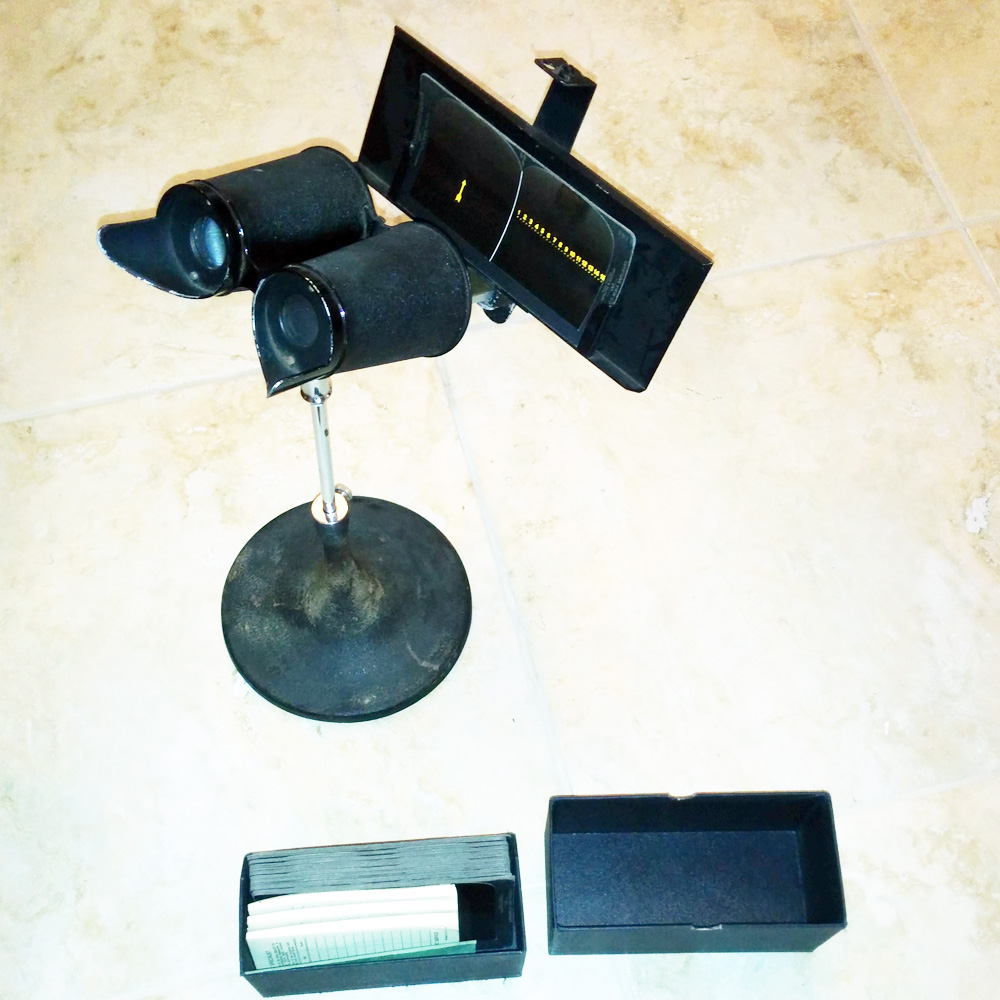
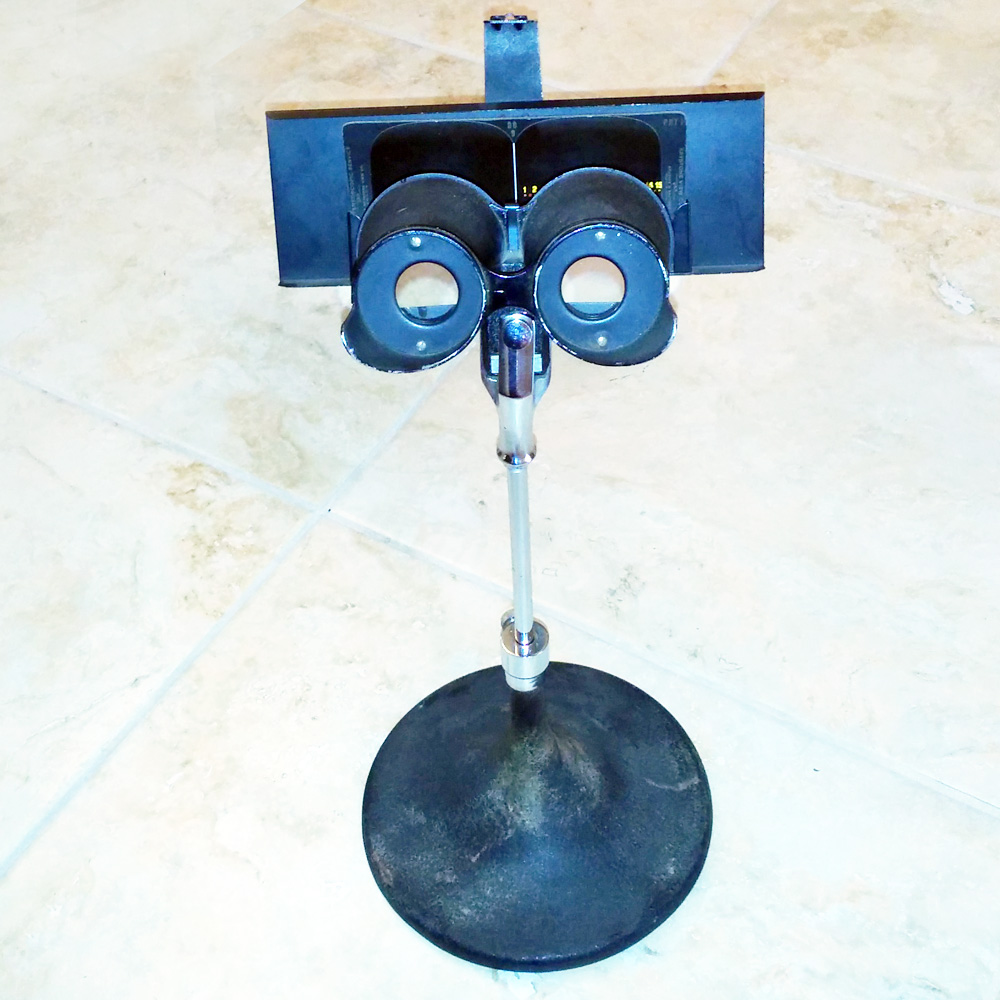
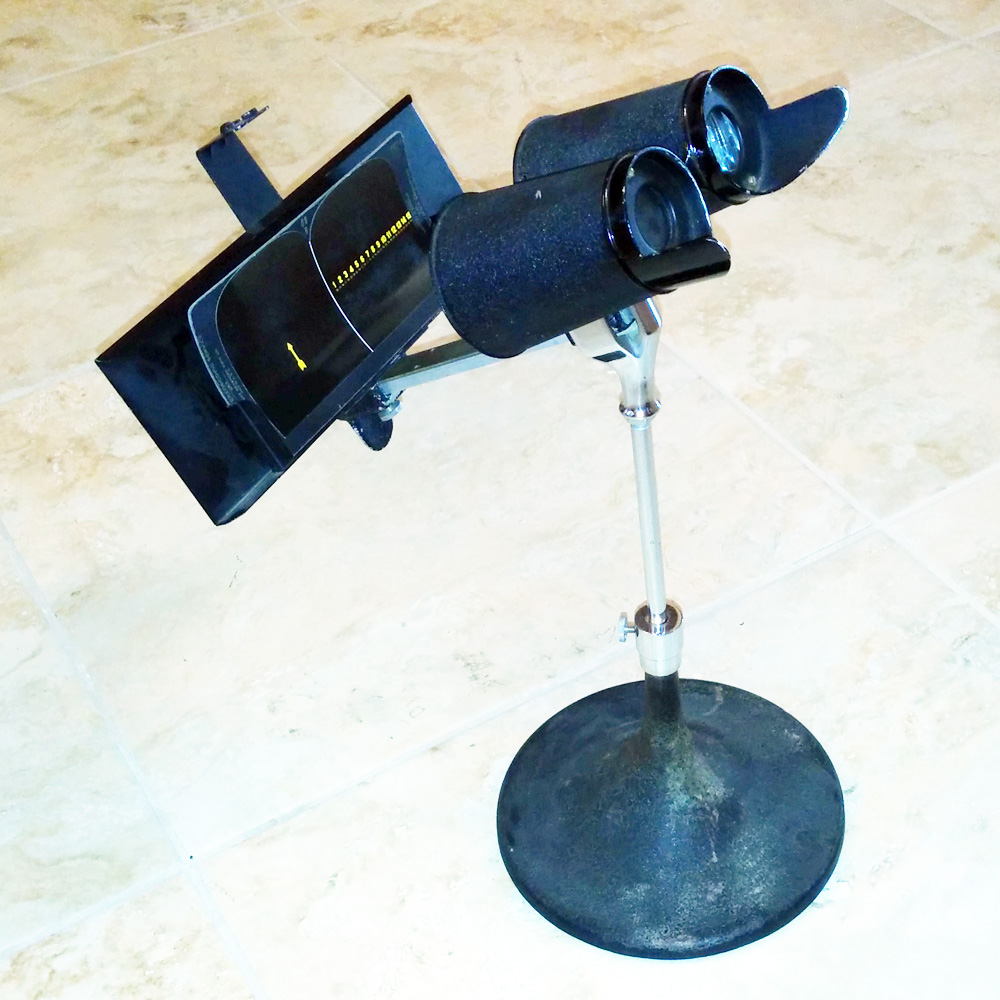
Keystone Ophthalmic Telebinocular System 1934
The Keystone Ophthalmic Telebinocular is a rare and fascinating vision testing instrument from 1934. It was developed by E.A. Betts, a reading disability specialist. Betts believed that reading problems in children resulted directly from eye problems. His telebinocular system was his practical response to that conviction.
E.A. Betts and the Reading Vision Connection
Betts developed this testing system to assess the full range of visual functions involved in reading. The instrument tested visual acuity, fusion, stereopsis, and other binocular functions simultaneously. It had an 85% failure rate among the students it tested — a striking figure that reflected how widespread undetected vision problems were among school-age children in the 1930s. Learn about binocular vision and reading difficulties.
Rejection and Legacy
The Keystone Ophthalmic Telebinocular was rejected by ophthalmology as a clinical tool. Despite this, it proved to be the forerunner of other vision testing methods still in use today. Its core insight — that binocular vision problems contribute significantly to reading difficulties — is now well established in both optometry and educational psychology.
Design and Construction
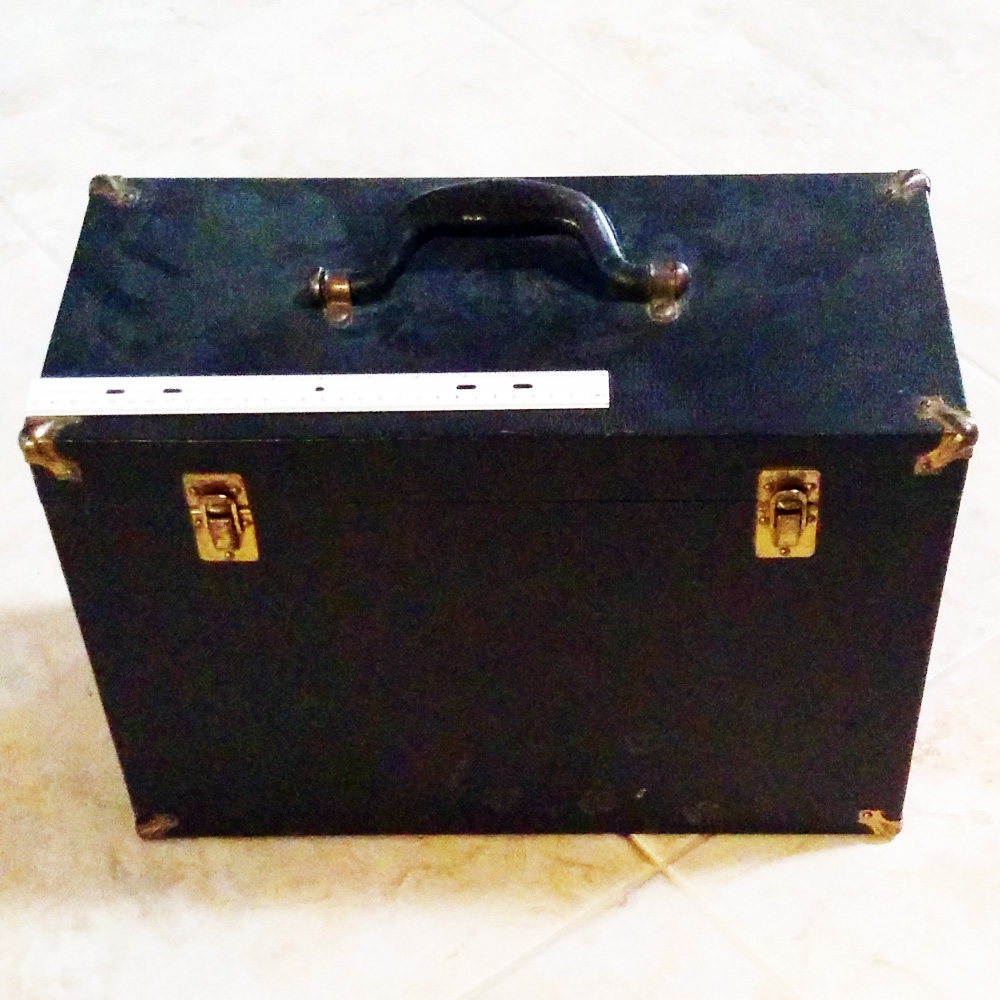
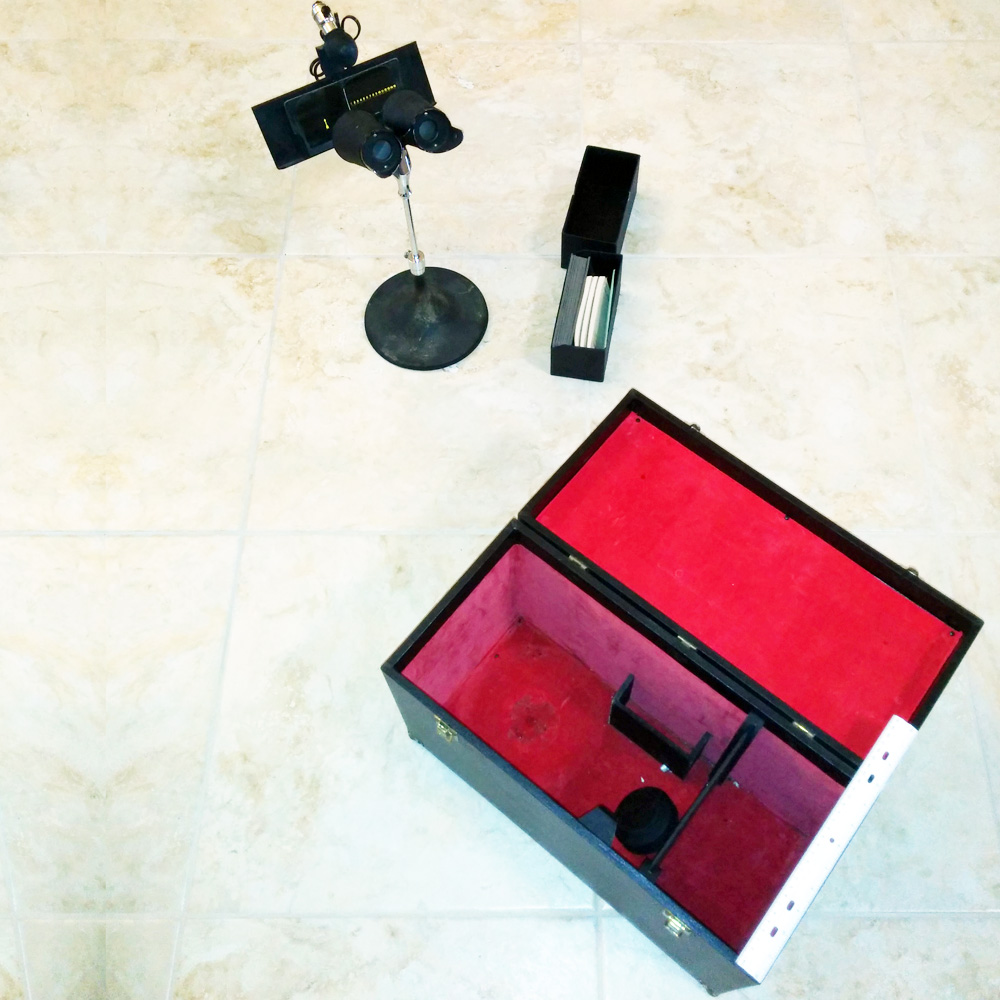
The instrument is a substantial and striking piece of equipment. It features a binocular viewing head mounted on an adjustable arm above a weighted cast iron base. The viewing head accepts a series of test cards that present different visual tasks to each eye independently. The system comes with its original carrying case and a set of test slides.
Collectibility
The Keystone Ophthalmic Telebinocular appeals to collectors of antique vision testing equipment, educators with an interest in the history of reading research, and anyone fascinated by the intersection of vision science and educational psychology. Complete examples with original accessories are rare. Browse our full eye exam equipment collection.