
Antique Silver Reading Glasses 1830
Another Fine Example From the 1830s
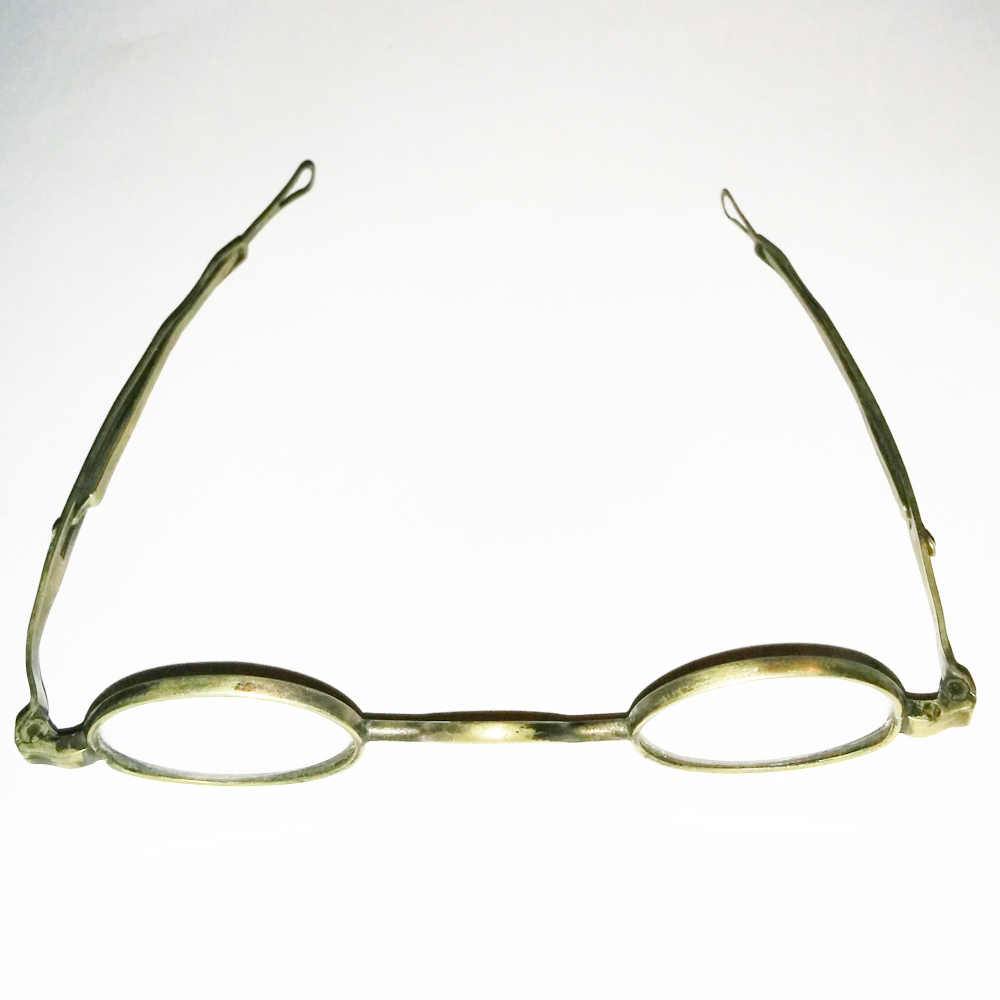
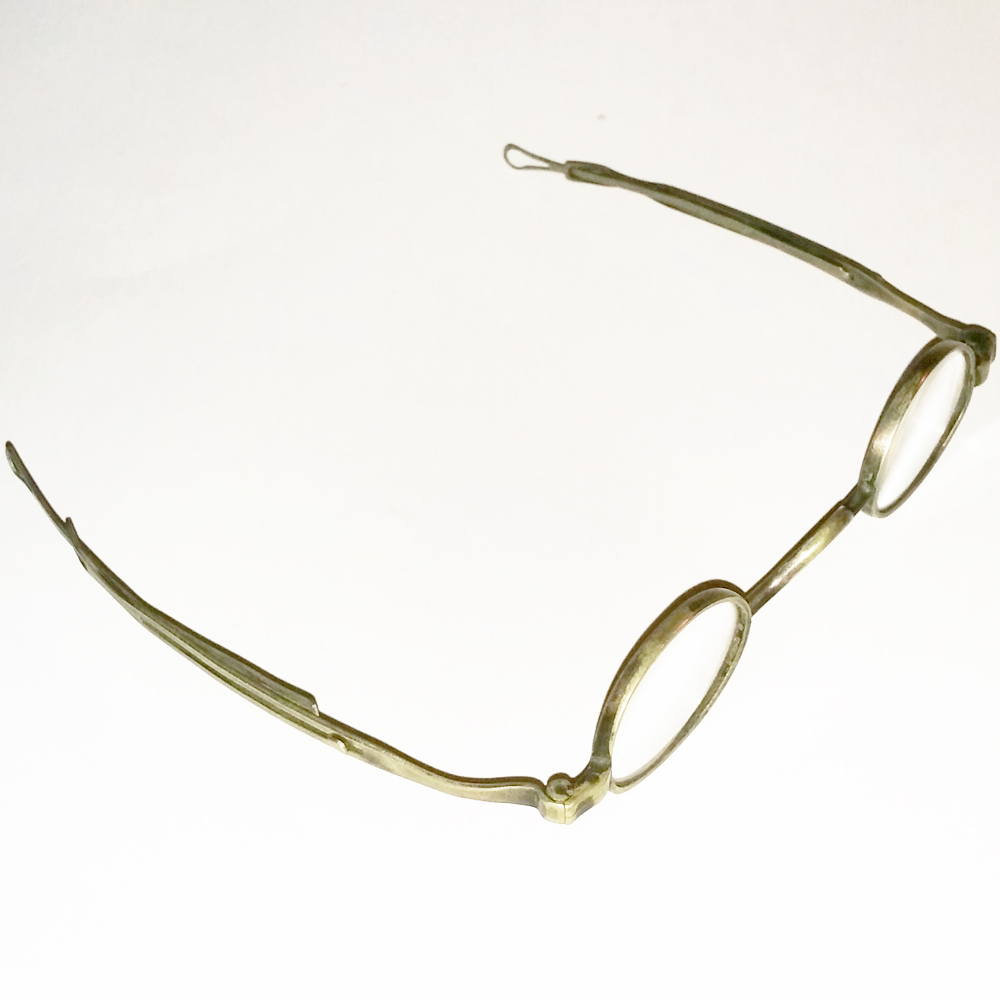
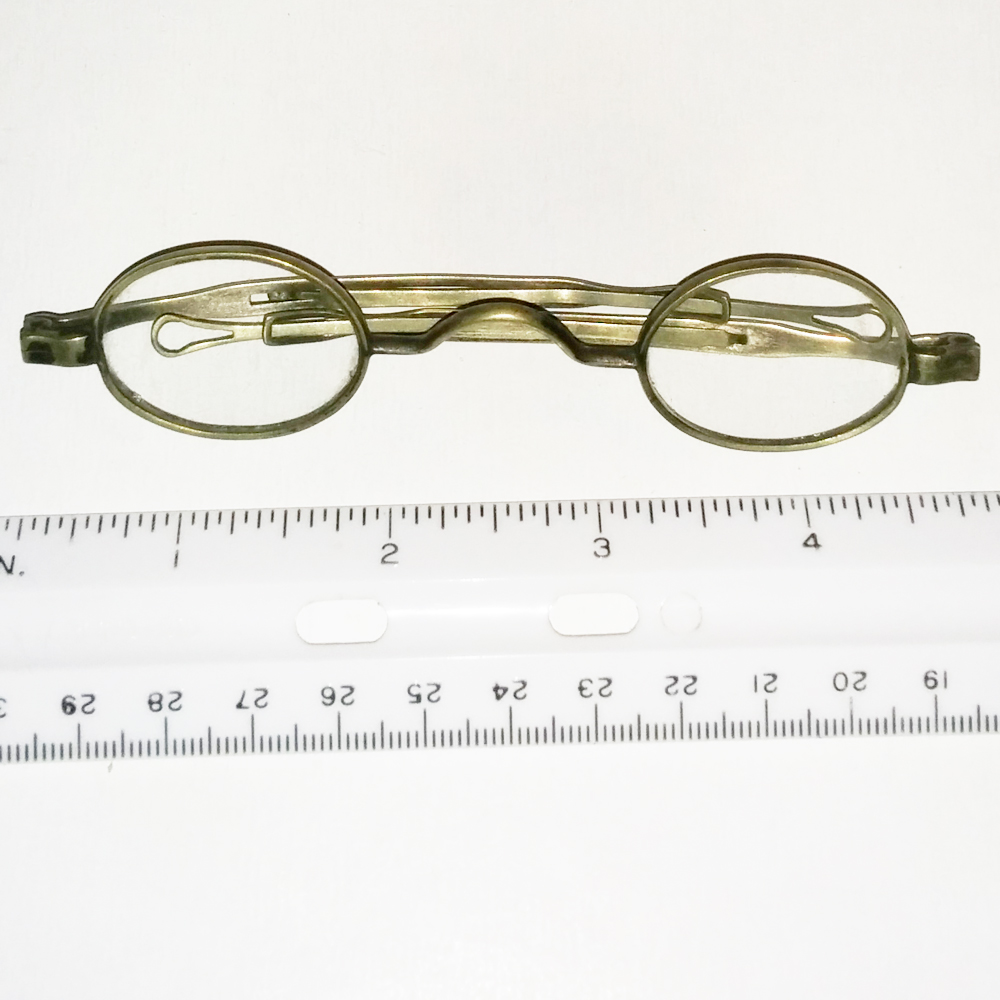
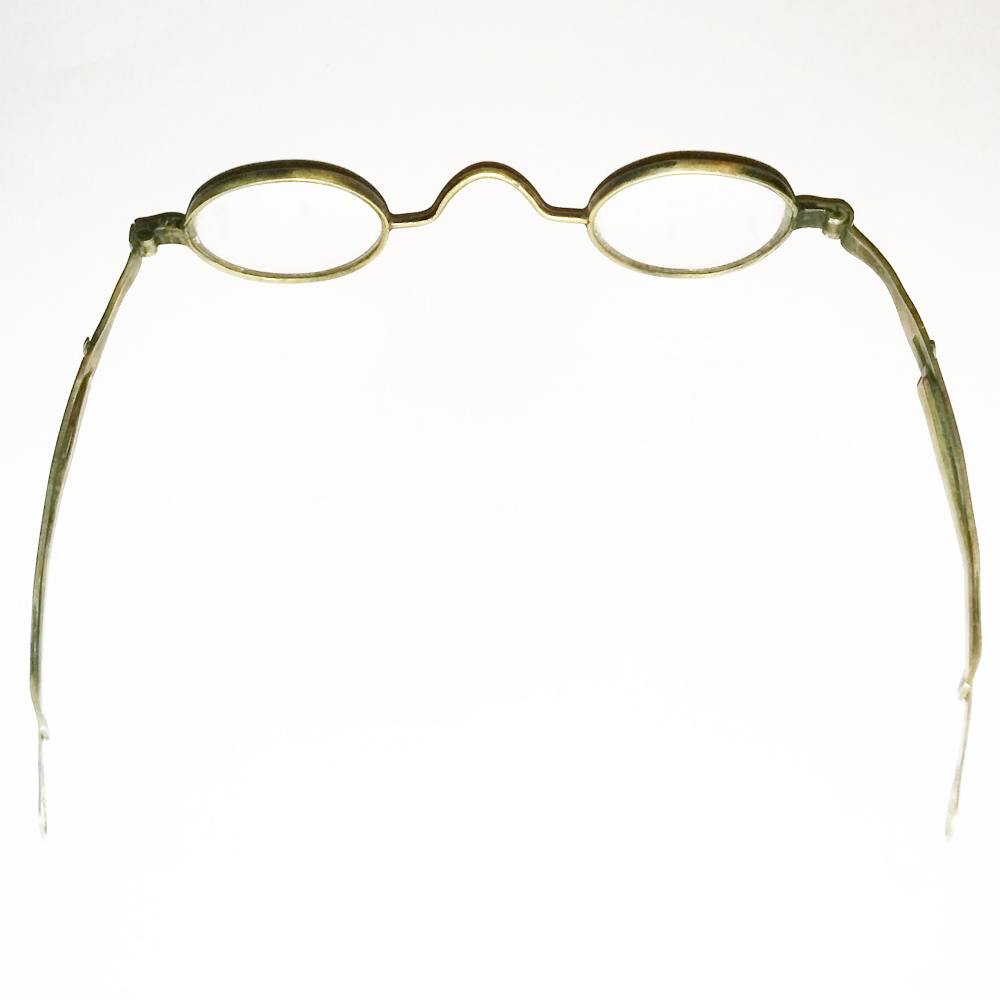
These antique silver reading glasses date to the beginning of the 1800s and survive today in excellent condition. Like several examples in this collection, they carry the typical “crank” style bridge of the era, along with an oval lens shape. This particular pair offers collectors a well-preserved comparison point against similarly aged silver spectacles with different lens shapes and prescription strengths.
Broad Sliding Temples for a Secure Fit
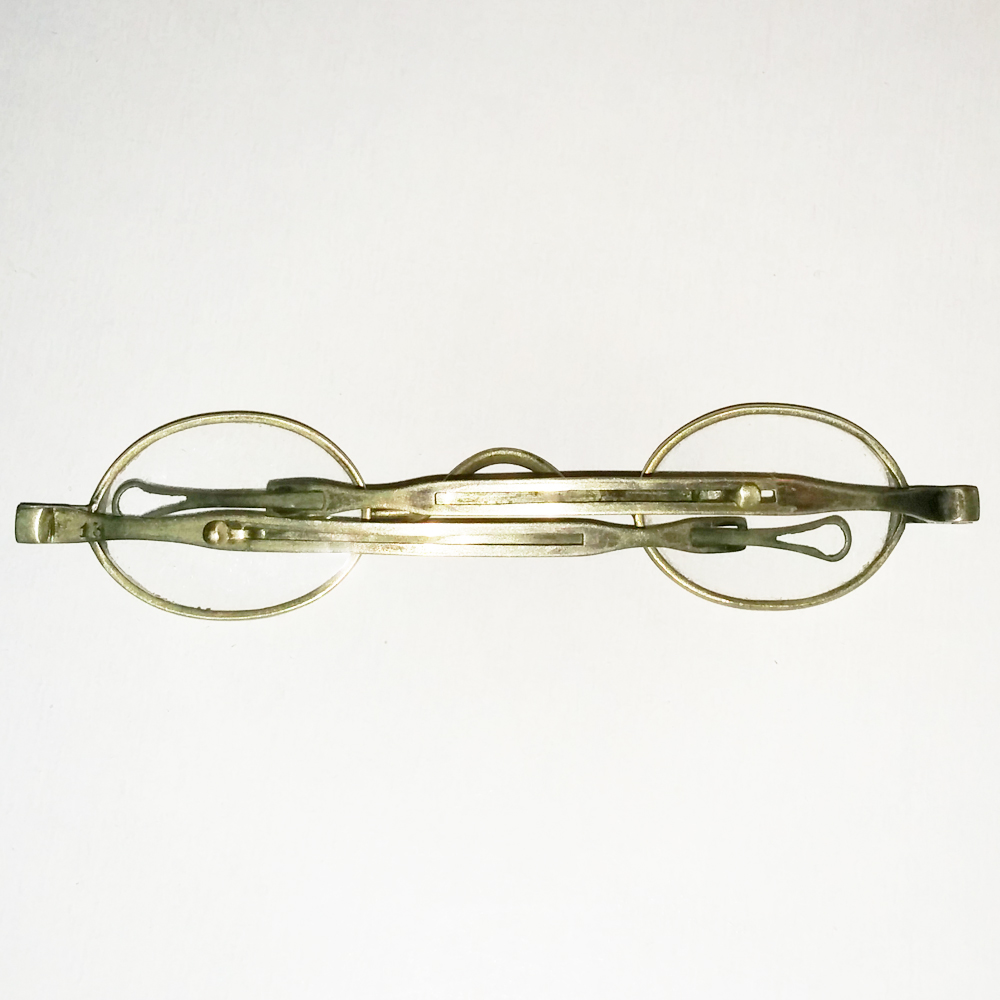
The temples on this pair are the broad sliding type. They end in “tear-shaped” loops, a common design that let the wearer extend the temple for a proper fit around the ear. This construction remained standard well into the mid-nineteenth century, appearing across nearly every lens shape opticians produced during the period. You can read more about [External link: “the history of eyeglasses” → https://en.wikipedia.org/wiki/Glasses] and how temple mechanisms evolved over time.
Reading Power From a Period Marking System
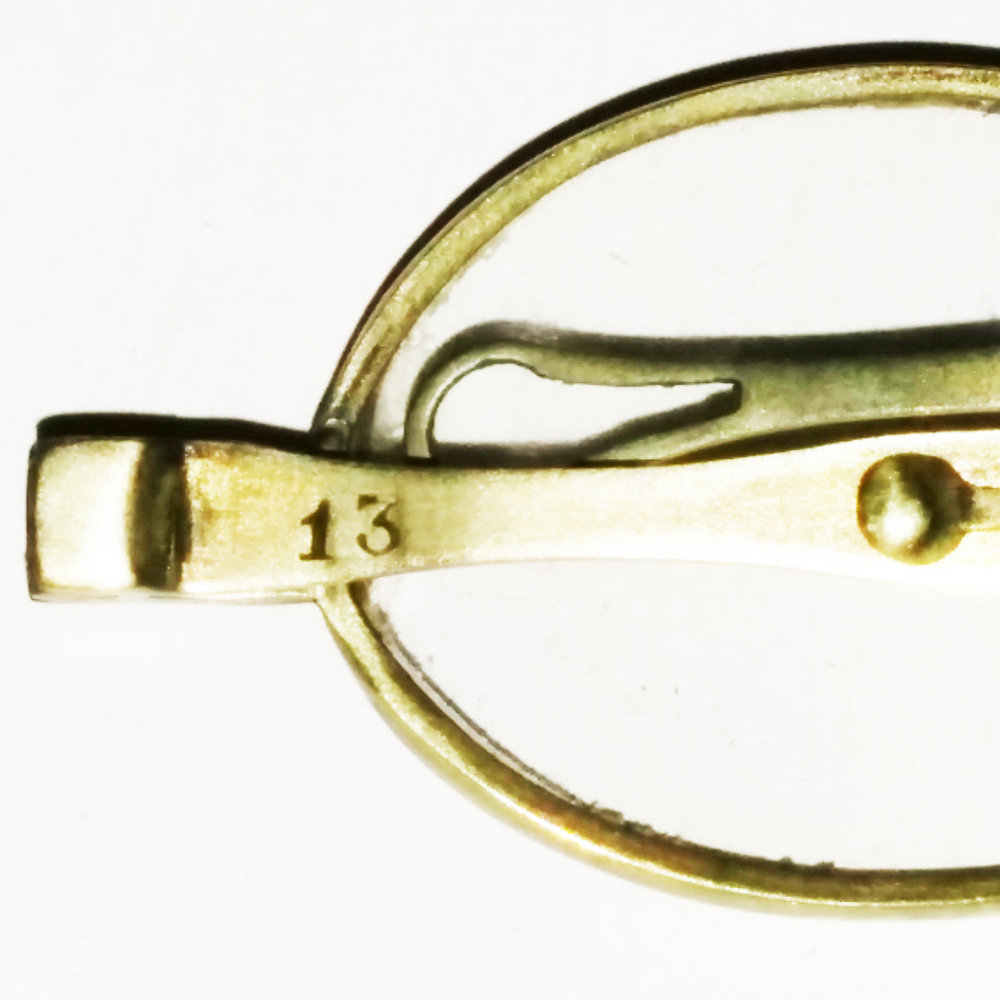
The left temple carries the mark “13” near the hinge. Opticians of the era sold glasses this way, specifying focal length rather than modern diopter power. This number indicates a focal length of thirteen inches for both lenses. In today’s dioptric terms, that translates to roughly a +3.00 reader. A plus three diopter reading glass suits many people over sixty years old. It also appeals to hobbyists of any age who want to examine stamps, coins, or miniature models closely. These antique silver reading glasses pair naturally with our silver oval reading spectacles, silver octagonal readers, and silver rectangular readers for anyone comparing strengths and shapes across the same era.
A Strong Choice for Serious Study
At +3.00, these antique silver reading glasses represent a genuinely strong period prescription. This strength appealed to older readers as well as anyone doing sustained, detailed close work. The excellent overall condition makes this an easy addition for collectors seeking a functional, well-preserved example of early nineteenth-century eyewear.